Your Shopping Cart | Your Account Information | Catalog Quick Order | Customer Service | Order Status | Contact Us
RadioSpirits.com

HOMENEW RELEASESBESTSELLERSCLEARANCEBOOKSDVDsMUSICDOWNLOADS

AboutBlogOur Radio Show SEARCH   KEYWORD

Happy Birthday, Mercedes McCambridge!
mccambridge9

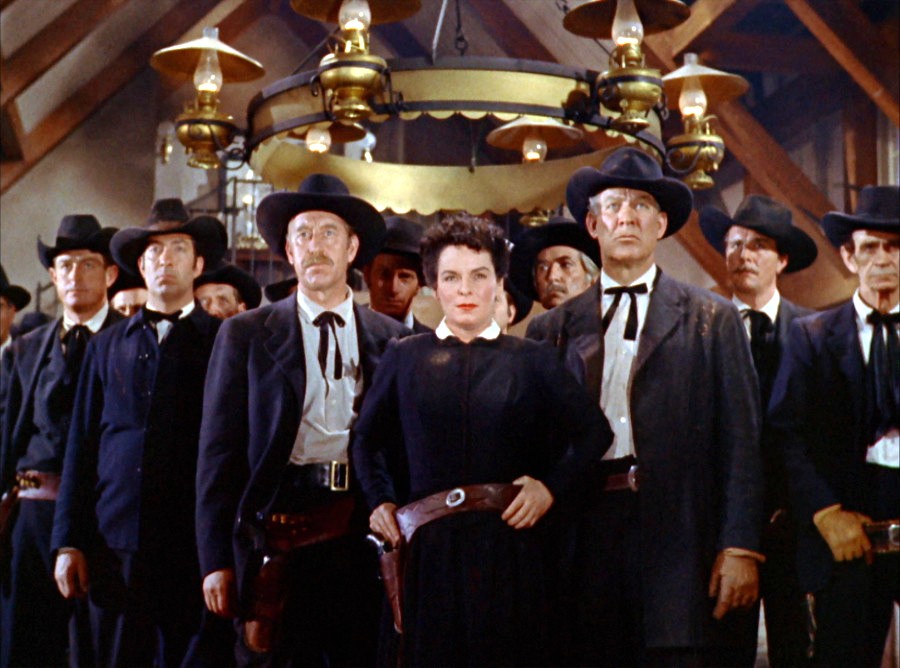
Ninety-seven years ago today, the performer that would win a Best Supporting Actress Oscar for her very first feature film was born.  As Sadie Burke, the tough female assistant to ambitious politician Willie Stark (Broderick Crawford) in the movie adaptation of Robert Penn Warren’s Pulitzer Prize-winning All the King’s Men, Mercedes McCambridge was able to put years of experience performing on stage and radio to good use, ensuring a lengthy career of further film and television appearances.
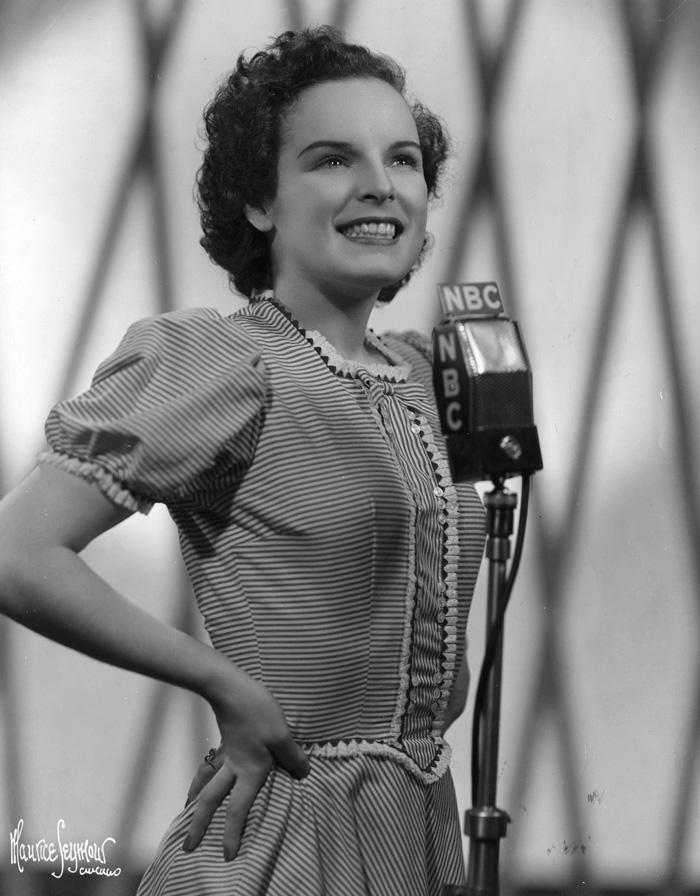
 

mccambridge4Born Carlotta Mercedes McCambridge in Joliet, Illinois in 1916, a young Mercedes attended Mundelein College in Chicago on a drama scholarship.  A performance in a school production as a sophomore attracted the notice of NBC, who signed her to a five-year deal as a contract actress.  At that time, the city of Chicago was every bit as important a hub as New York and Hollywood in the radio industry, though the Windy City served primarily as the locus for radio drama and soap opera.  Mercedes displayed an amazing versatility, appearing on a variety of soap operas like The Guiding Light, Pretty Kitty Kelly and Big Sister…as well as This is Nora Drake and Perry Mason.
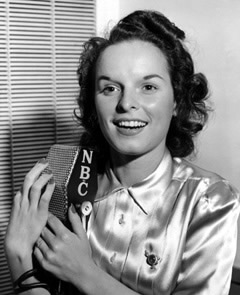
 

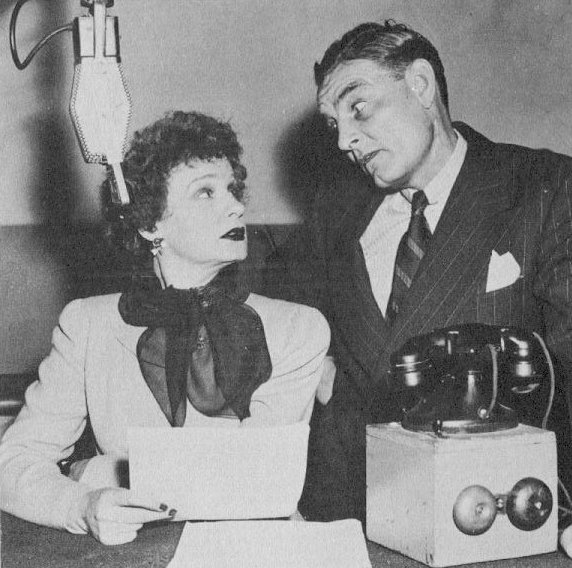
mccambridge5McCambridge was fortunate to have worked alongside many radio “mentors.”  She was oft-used by Arch Oboler, who would cast her in dramas featured on Lights Out, Arch Oboler’s Plays and Everything for the Boys.  Carlton E. Morse availed himself of her talents in memorable showcases on One Man’s Family and I Love a Mystery.  She was a favorite of Himan Brown’s, frequently appearing on Inner Sanctum…and during the period of radio drama revival in the 1970s, Mercedes did Brown’s The CBS Radio Mystery Theatre, too.  She also worked with Orson Welles (The Mercury Summer Theatre)—who once called her “the world’s greatest living radio actress.”  The “Canadian Orson Welles,” Fletcher Markle, cast her in roles on The Ford Theater and Studio One…and cast her as Mrs. Markle in 1950.  (Unfortunately, their marriage ended ended in divorce in 1962.)


Other programs on which McCambridge appeared include Abie’s Irish Rose, The Big Story, The Cavalcade of America, Gangbusters, The Mysterious Traveler, The Shadow, Suspense and The Whistler.  Her Oscar win in 1949 didn’t slow down her participation in the medium for a moment—Mercedes even starred in a 1951-52 series entitled Defense Attorney, on which she played a legal eagle named Martha Ellis Bryant.


mccambridge11The exposure from All the King’s Men soon led to more parts in films, which include Inside Straight (1951), The Scarf (1951) and Lightning Strikes Twice (1951).  Many of her best-known movie performances were from the 1950s.  In 1954, she played the scheming Emma Small in Nicholas Ray’s cult western Johnny Guitar, in which she squared off against Joan Crawford.  In 1956, she played Luz Benedict in Giant, in which she shot and killed a horse belonging to Elizabeth Taylor’s Leslie.  (McCambridge scored a second Oscar nomination for that one.)  Mercedes was also featured in another film starring Liz: 1959’s Suddenly, Last Summer.  She also made memorable impressions in A Farewell to Arms (1957), Touch of Evil (1958), Cimarron (1960) and Angel Baby (1961).


mccambridge6One of Mercedes’ most-popular film roles came about because of both her radio background and her lifelong battle with bronchitis.  It was McCambridge who provided the voice of the demonically-possessed Linda Blair in 1973’s The Exorcist.  Promised by director William Friedkin that she would receive credit for the performance, Mercedes later had to have the Screen Actors Guild intercede in a dispute with Warner Bros.—the result being that a new print was created to restore her credit.


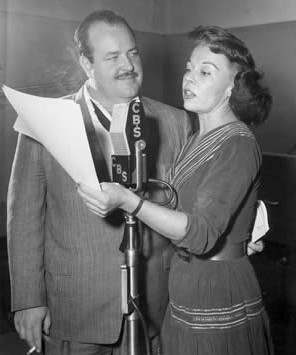
mccambridge2Though McCambridge maintained a high profile with stage, films and television performances until her death in 2004, radio remained her first love.  “It’s the best.  It truly is the best,” she remarked to radio historian Chuck Schaden in a 1976 interview.  Radio Spirits has several collections spotlighting Mercedes’ classic radio work—in addition to Everything For the Boys (on Arch Oboler: Retrospective) and Inner Sanctum (Romance Gone Wrong, No Rest for the Dead), we also feature broadcasts from her 1950s series Defense Attorney (which includes the April 17, 1951 audition, entitled The Defense Rests).
Happy Birthday, Georgia Ellis!

ellis4

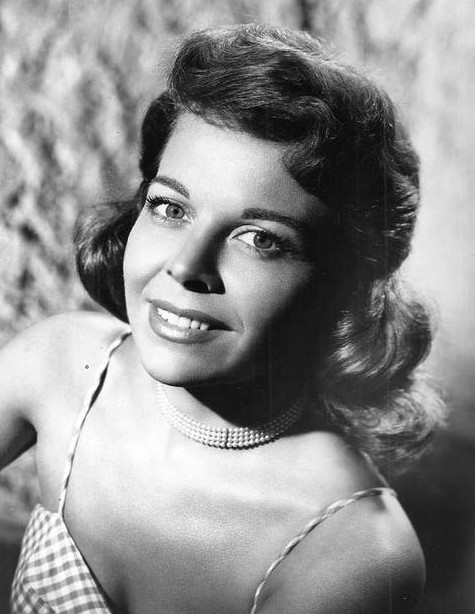
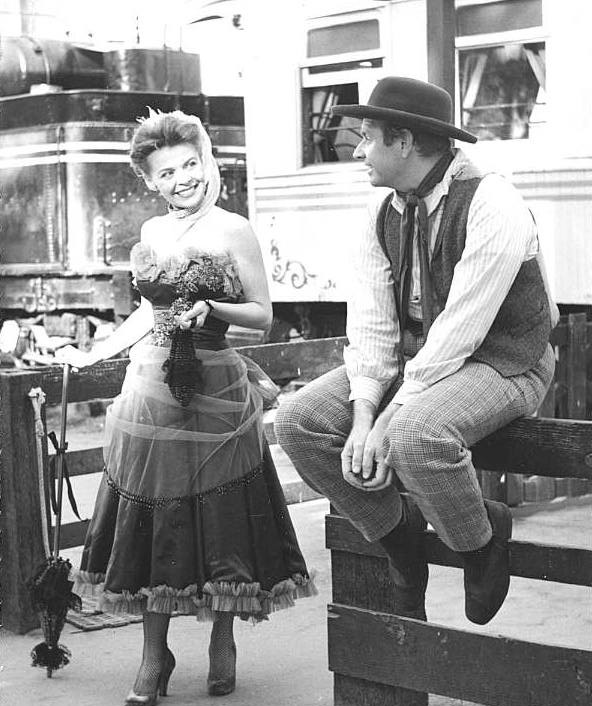
Georgia Ellis, the actress who co-starred on what is fondly remembered by legions of old-time radio fans as the definitive Gunsmoke (namely, the radio version), would have celebrated her ninety-sixth birthday today.  It was Ellis who first played the part of Kitty Russell, the Long Branch Saloon proprietress made famous by Amanda Blake when the series transitioned to TV for a twenty-year run (though Blake jumped ship from the show before Gunsmoke’s final season).


ellis1Georgia was a regular on the radio Gunsmoke right from its debut broadcast on April 26, 1952—but in that first episode (“Billy the Kid”) she was Francie Richards, the widow of an outlaw (and a former flame of Marshal Matt Dillon).  By the series’ third episode, “Jaliscoe” (05/10/52), Ellis was playing Kitty Russell—a dance-hall girl who, it was subtly inferred, did a lot more at the Long Branch than just dance.  In a now-famous interview for Time magazine in 1953, Gunsmoke co-creator and producer Norman Macdonnell admitted that the relationship between the Dodge City marshal and his “girlfriend” was a little less chaste than their nineteen-year TV courtship:  “Kitty is just someone Matt has to visit every once in a while.  We never say it, but Kitty is a prostitute, plain and simple.”


ellis7Macdonnell no doubt became acquainted with the actress as she appeared quite frequently on another series on which he served as director-producer: The Adventures of Philip Marlowe.  (It was CBS president William S. Paley who sort of started the ball rolling on the creation of what became Gunsmoke, suggesting a series that was “Philip Marlowe out west.”)  Though Georgia made a few motion pictures at the start of her show business career—she was billed as Georgia Hawkins in The Light of Western Stars (1940) and the Hopalong Cassidy western Doomed Caravan (1941)—radio soon became her métier.  She frequently emoted on the likes of Broadway’s My Beat, Escape, Night Beat, Rogers of the Gazette, Romance, Suspense, This is Your FBI, The Whistler and Yours Truly, Johnny Dollar.  Georgia’s prolific radio appearances were undeniably due to her warm, pleasing voice…but her longtime marriage to writer-director-producer Antony Ellis probably didn’t hurt her gainful employment any, either.


ellis6Georgia, like fellow Gunsmoke cast members William Conrad, Howard McNear and Parley Baer, was never really seriously considered for the TV version of the series—though the quartet was allowed to audition, in what was essentially a token gesture on the part of the network.  It’s easy to discern why Bill Conrad was thumbed down by CBS—though a man of his girth probably looked more like a real-life lawman of that era than anyone The Powers That Be could have imagined.  But, Ellis was a strikingly attractive woman, and would have done a first-rate job.  Georgia did make a few appearances on the boob tube on shows like The Lineup, Klondike and Dragnet—and even had a small role when Jack Webb’s police procedural was adapted for the silver screen in 1954.


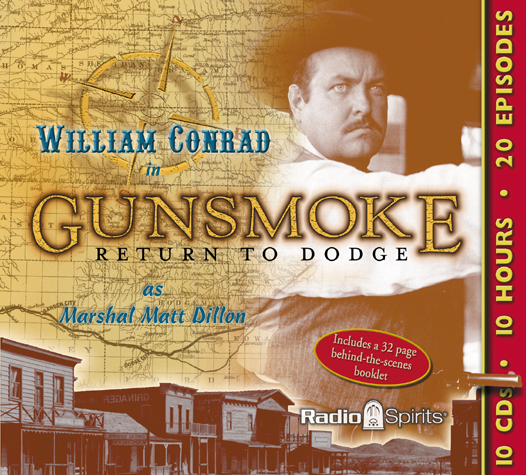
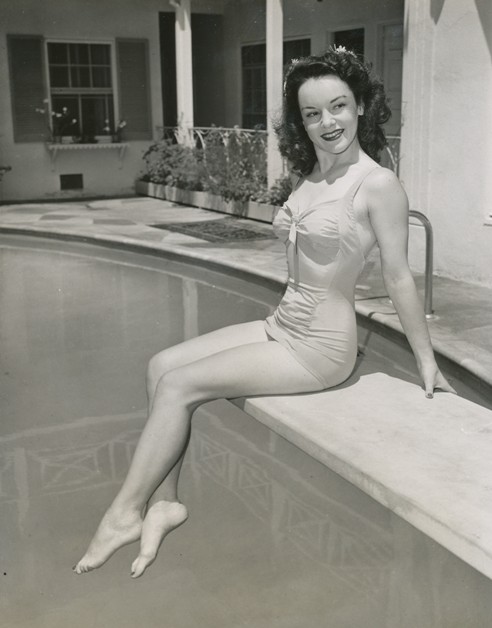
19475When Gunsmoke rode off the radio airwaves in 1961, Georgia Ellis was content to retire in anonymity at her home in Woodland Hills, California until her death in 1988.  She’s well represented on surviving radio broadcasts—among those available from Radio Spirits are appearances on The Adventures of Sam Spade (The Final Capers), Crime Classics, Escape (High Adventure), Night Beat (Lost Souls) and Romance…and of course, her signature series of Gunsmoke in the Return to Dodge CD collection.  Perfect listening while we serve up cake and ice cream at Georgia’s party!

“Dad-rat the dad-ratted…”

fibbermolly10

Seventy-three years ago on this date, one of radio’s best-remembered running gags was introduced…and it was as simple as opening up a closet door.  The March 5, 1940 broadcast of The Johnson Wax Program with Fibber McGee & Molly introduced a radio sound effect that was rivaled only by the creaking door heard on Inner Sanctum Mysteries:


FIBBER: Now let’s see…which one of these keys is the closet door key…?

MOLLY: Say, maybe we better see if the closet is locked…let me take a look…

FIBBER: Oh, it’s locked all right…you don’t think I’d leave all my personal defects layin’ around for any prowler to get his hands on…

(SFX: door opening, thump of a box falling)

MOLLY: McGee…it isn’t locked…it’s… (SFX: Another box and additional stuff falling) Better give me a hand, McGee—this stuff is all falling out… (SFX: more thuds and clatter, building to a crescendo of a junk avalanche) Oh…ohhhh…help, McGee…I’m buried alive! Get this junk off of me!


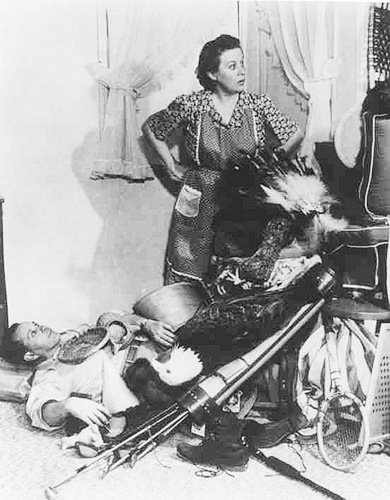
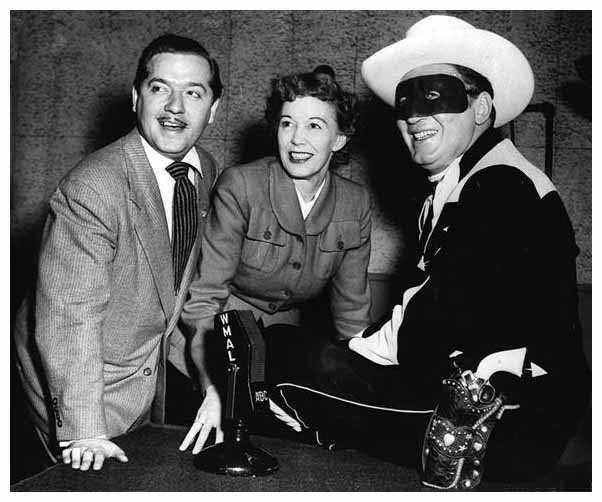
fibbermcgeeclosetBy the time of this broadcast, Fibber McGee & Molly was one of the medium’s most popular comedy programs, easily holding its own among such competitors as Jack Benny, Edgar Bergen & Charlie McCarthy and Bob Hope.  But, writer Don Quinn was looking for a gimmick to give the show a creative shot in the arm…and the inspiration came from a running gag that star Jim Jordan remembered from he and his wife Marian’s early days of broadcasting on The Smith Family in 1925.  On that show, a sofa with a loose spring produced a funny BOING!!! sound whenever anybody sat on it.  And with that, Quinn created “Fibber McGee’s closet”—an audio effect that saluted those millions of listeners who had stored away piles of junk in their own storage spaces for so many years (kind of a precursor to Hoarders).
 

MOLLY: Oh…dear, oh dear…look at all this junk that fell out of that closet…

FIBBER: Don’t worry, I’ll put it back, Molly, I’ll…

MOLLY: Oh no, you won’t…

FIBBER: Huh?

MOLLY: We’re going to go through that pile of whatnots and throw everything out we don’t need…

FIBBER: Oh yeah? Well, I’ve been through this stuff a hundred times and there ain’t a thing of it that I can spare…

MOLLY: Oh, there isn’t…?

FIBBER: No.

MOLLY: What’s this old rusty horseshoe for?

FIBBER: Well, I found that in nineteen-ought-eleven…soon as I find three more we can pitch horseshoes in the back yard…

MOLLY: I see…you expect to find three more, huh?

FIBBER: You betcha…

MOLLY: You don’t think the automobile is here to stay, eh?

FIBBER: It won’t be, if we can’t catch up with the payments…


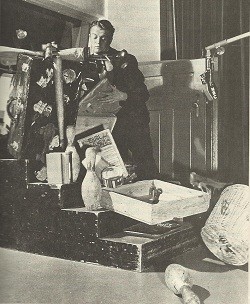
McGeeClosetThe execution of this simple-sounding gag was anything but—Manny Segal, the program’s sound effects man, would set the following items on top of a portable suitcase: 10 empty oil cans, a pair of ice skates, a snow shoe, a barrel of broken dishes, a bowling pin, two boxes of kitchenware, a rake, an egg beater, three cowbells and a mandolin.  The items would then roll down the suitcase to create the cacophony that emerged from the opening of the closet, and would culminate in the tinkling of a small bell—after which Fibber would invariably observe: “Gotta straighten out that closet one of these days.”


In Charles Stumpf and Tom Price’s invaluable reference book Heavenly Days: The Story of Fibber McGee & Molly, it was tabulated that the closet was opened a total of 128 times…with Fibber (at 83) the usual culprit.  Quinn was careful to use the routine sparingly so that it wouldn’t become stale from overuse.  As funny as the gag was, it couldn’t quite compare to the reaction from a March 11, 1947 broadcast when Doc Gamble (Arthur Q. Bryan) opened the closet…to complete and utter silence.  (It seems that Fibber had finally cleaned out the closet!)


19621Fibber & Molly also welcomed a special guest to this March 5, 1940 broadcast in the form of Gracie Allen—who was at that time making the rounds of various programs promoting her Presidential run (as a candidate for the Surprise Party).  Gracie and husband George Burns manufactured the stunt (and it wasn’t the first time they had done this—as evidenced by the famous “Gracie’s brother” gag in 1933) in an effort to boost their sagging ratings.  The closet door gag continued on Fibber McGee & Molly for years to come…and became so ingrained in popular culture that even those who have never heard the show are familiar with “Fibber’s closet.”
 

By the way—you can hear this historical broadcast as part of Radio Spirits’ CD collection Gracie for President.  Be sure to check out the Fibber & Molly collections Wistful Vista and That Ain’t the Way I Heard It!, too.

Leave Us Not Forget This Anniversary

duffystavern

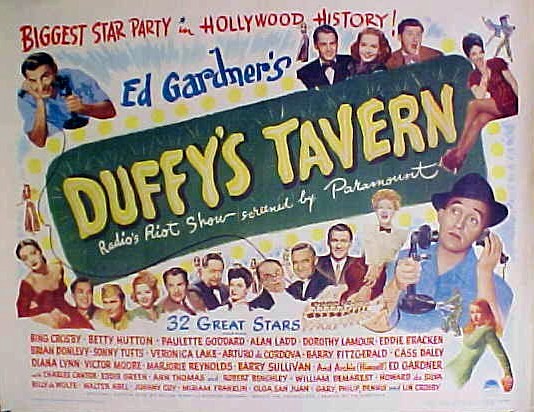
Seventy-two years ago on this date, radio audiences made their first visit to a dingy, dank East Side watering hole affectionately known as Duffy’s Tavern.  The half-hour sitcom, created by and starring Ed Gardner, would become show business’ most famous “place where everybody knows your name” until the television show Cheers premiered some forty years later…and in one of those interesting Lone Ranger/Green Hornet-type back stories, the co-creator of that landmark TV comedy, James Burrows, was the son of Abe Burrows…who was at one time the head writer for Duffy’s.


duffystavern10March 1, 1941 marked the official debut of the show that would soon become one of radio’s most popular comedies—but the origins of the show stretch back as far as 1938, when Gardner created a lovable Manhattan barkeep named “Archie” for an obscure CBS radio series, This is New York.  Gardner, who had been directing, writing and producing various programs at that time (working alongside the likes of Burns & Allen, Bing Crosby and Al Jolson), was frustrated in his efforts to find an actor who could “talk like a bartender.”  Demonstrating how he thought the part should be played, he suddenly realized that he was the right person to interpret the character…and Ed’s career in front of the mike began.


duffystavern3After a tryout on the CBS series Forecast in 1940, Duffy’s Tavern landed a spot on the network’s regular schedule sponsored briefly by Schick razors (and then General Foods, chiefly Sanka).  The weekly shenanigans (well, it was an Irish pub) took place at a Manhattan dive located on Third Avenue at Twenty-Third Street.  The owner of the establishment was Patrick J. Duffy—but he rarely ventured inside his own tavern, preferring to keep tabs on its operation via telephone.  In fact, that’s how the program opened every week (to the strains of When Irish Eyes are Smiling)—with Gardner’s “Archie the manager” answering a ringing phone with “Duffy’s Tavern, where the elite meet to eat—Archie the manager speakin’, Duffy ain’t here…oh, hello Duffy…”  Duffy did have a pair of eyes and ears at the bar in the person of his daughter Miss Duffy, a man-chasing spinster originally played on the program by Ed’s real-life spouse—future Academy Award-winner and TV domestic Shirley “Hazel” Booth.  (Booth left the show in June of 1943, and Gardner spent the rest of the show’s run trying to find a suitable replacement.  He was never really satisfied with the long line of actresses who took on the Miss Duffy role, though some of radio’s best known female thespians had their shot: Florence Halop, Sara Berner, Sandra Gould and Doris Singleton, to name a few.)


duffystavern2The other denizens who frequented Duffy’s included Clifton Finnegan (whose moniker was a play on the erudite host of Information Please, Clifton Fadiman), played by professional radio second banana Charlie Cantor; and Officer Clancy, the cop on the beat, who was voiced by Alan Reed in his pre-Flintstones days.  Gardner’s Archie also had a wisecracking waiter in Eddie Green, an underrated comedian whose death in 1950 necessitated a replacement in pianist Ed “Fats” Pichon.  Somehow, a plethora of big-name stars stumbled into the quaint little bistro every week, including the likes of Humphrey Bogart, James Cagney, Marlene Dietrich and Cary Grant, among others.  It was considered by many celebrities a badge of honor to allow themselves to be invited (and insulted) by Gardner’s malaprop-prone bartender.


duffystavern4Duffy’s Tavern aired on CBS until the fall of 1942, when it moved to NBC’s Blue network…and began its long association with Bristol-Myers (Ipana toothpaste, Sal Hepatica, etc.).  It then found a home on NBC in 1944 until the end of its run in December of 1951…even after Gardner, who always made the program’s “bottom line” Job One, moved the show to Puerto Rico in 1949 to take advantage of that country’s favorable tax laws.  At the height of the show’s popularity, Gardner, Cantor and Green appeared with an all-star cast in a 1945 feature film version of the show which, since it was produced at Paramount, had the benefit of featuring major stars like Bing Crosby, Alan Ladd and Dorothy Lamour.  (Sadly, this did not prevent the movie from being a critical and box-office flop.)


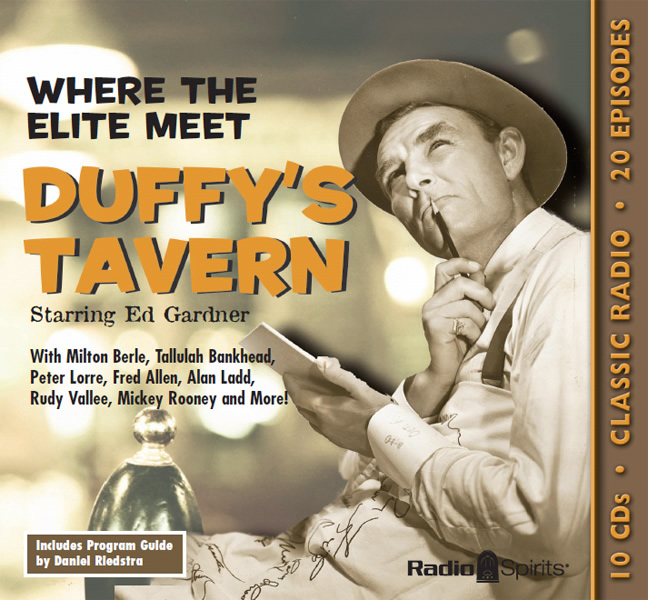
20181A TV version of Duffy’s Tavern debuted on the small screen in 1954 with little success; the only two performers who transitioned to that program were star Gardner and Alan Reed—and Reed played the part of Clifton Finnegan instead of his familiar Irish cop.  Though the doors to the tavern closed after that, some broadcasts of the program have survived to reveal that, at the peak of its powers, Duffy’s was a first-rate radio comedy.  Radio Spirits’ collection of Where the Elite Meet to Eat features twenty digitally remastered episodes with top-flight guests such as Milton Berle, Tallulah Bankhead and Mickey Rooney…and we invite you to stop by for a cold one at your earliest opportunity.

Happy birthday, Gale Gordon!

galegordon16

If you were to go to a dictionary to look up the meaning of the term “foil” as it relates to comedy—dollars to donuts says it would be accompanied by a picture of Gale Gordon, born on this date in 1906 one Charles T. Aldrich, Jr. in New York City.  Gale, who would become one of radio and television’s masterful practitioners of the “slow burn,” was born to a theatrical family—his mother was British stage actress Gloria Gordon, and her husband was vaudevillian Charles Aldrich.  The younger Gordon was destined for a career in show business.


galegordon4Gordon’s success on stage began in the 1920s, when he co-starred with the legendary Richard Bennett (the father of Constance, Joan and Barbara) in the Canadian production The Dancers.  He moved to Hollywood in 1925, and made an inauspicious debut over the airwaves the following year strumming a ukulele and singing It Ain’t Gonna Rain No More.  (Gale later observed that “I nearly killed radio that day.”)  He wasn’t paid for his gig, but by the 1930s he was in demand as a serious radio actor.  That’s not a typo—he played straight dramatic parts on serials like Tarzan and The Shadow of Fu Manchu…he was even the first actor to play Flash Gordon on radio.  Other series on which he could be heard include Big Town (as the district attorney), The Whistler, and as the titular importer-sleuth on The Casebook of Gregory Hood.


galegordon7However, it was radio comedy that would prove to be Gale’s bread and butter.  He was thirty-five years old when he started playing Mayor LaTrivia on Fibber McGee & Molly—a character that would come to define his stack-blowing stock-in-trade.  LaTrivia was a pompous stuffed shirt who seemed to feel like he was slumming when he stopped by 79 Wistful Vista for a weekly visit.  His encounters with both Fibber and Molly would regularly reduce him to sputtering spoonerisms before he could collect himself and say simply: “McGeeeeeee…good day…”  Gordon took a leave of absence from the show in 1942 when he was called into service during World War II.  Upon his return to the program, he additionally played the town’s weatherman, F. Ogden “Foggy” Williams, who would also announce his departure with a “good day”…though he quickly added a “probably” after it.  Gale also originated the role of the conceited neighbor Runsom Bullard on Fibber’s spin-off series, The Great Gildersleeve (which starred Hal Peary as the titular character).


galegordon23Gordon worked on so many radio shows that there probably isn’t enough bandwidth to cover them all.  He appeared frequently on the comedy programs of George Burns & Gracie Allen (notably as their Texas millionaire friend Mr. Judson), Judy Canova (as Gordon Mansfield, Judy’s PR man), and Penny Singleton—not to mention The Fabulous Dr. Tweedy, Junior Miss, Granby’s Green Acres and Mr. and Mrs. Blandings.  Gale was in complete (and side-splitting) curmudgeon mode as Montgomery Scott, the easily-irritated Rexall representative who had his hands full with the antics of Phil Harris and Frankie Remley (Elliott Lewis) on The Phil Harris-Alice Faye Show.


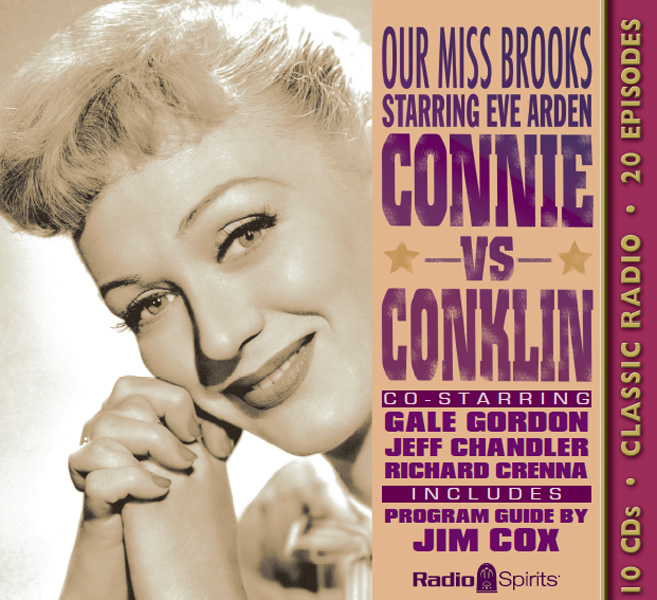
galegordon6That being said, it would be two series that premiered in 1948 that would come to define Gale Gordon’s sterling radio career.  He was asked by the producers of a new radio sitcom, Our Miss Brooks, to take over for actor Joe Forte in the role of Madison High’s taskmaster principal, Osgood Conklin.  Gordon wasn’t really interested in doing the part—he had enough on his plate already—and gave the Brooks people such an outrageous salary demand that he naturally assumed he would be turned down.  But, they met his price, and Gordon stepped into the shoes of Conklin, a former military man often driven to apoplexy by the shenanigans of Eve Arden’s beloved schoolteacher.  The chemistry between Gale’s blustery principal and Eve’s tart-tongued schoolmarm was indisputably magic; Gordon would reprise the part when Brooks went to TV, along with everyone else from the cast (with the exception of Jeff Chandler).


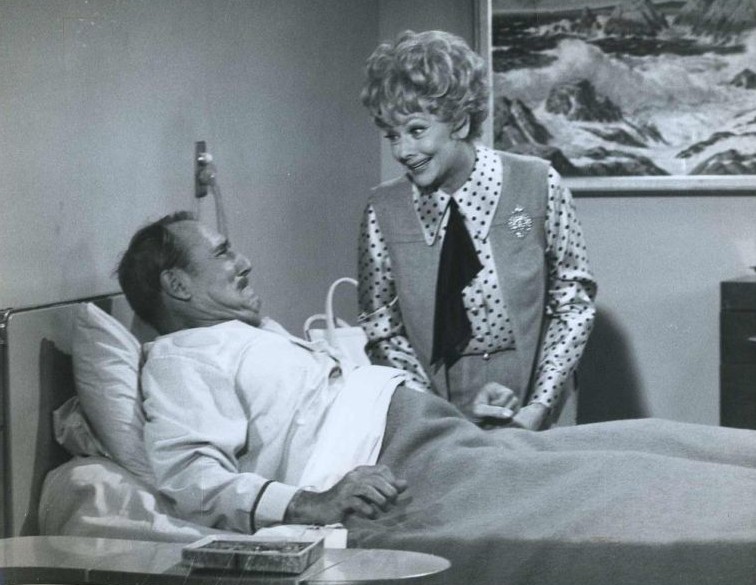
galegordon9Some time after accepting the Brooks gig, Gordon went to work on Lucille Ball’s hit sitcom, My Favorite Husband, as stuffy bank president Rudolph Atterbury.  It wasn’t the first time that Gale had worked with Lucy—he had been an announcer on Jack Haley’s The Wonder Show back in 1938, where Lucy was a cast regular.  But, his work on Husband began his long association with TV’s Queen of Comedy—Lucy had even wanted Gale to play the part of Fred Mertz when she and husband Desi Arnaz brought Husband to TV as I Love Lucy.  Gordon was already committed to doing Our Miss Brooks, but he did appear in two episodes as Alvin Littlefield, Ricky Ricardo’s boss at the Tropicana.


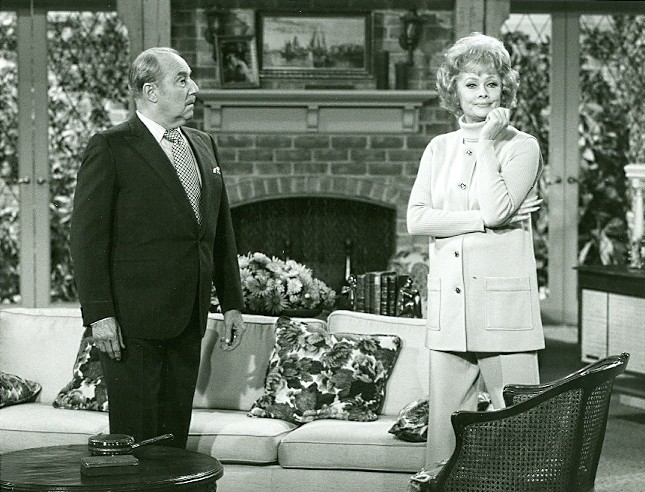
galegordon18After Our Miss Brooks finished its television run (and a movie version in 1956), Gale appeared on a few unsuccessful series like The Brothers (1956-57) and Sally (1958); and in the 1960s he was a semi-regular on Pete and Gladys (1960-62), and took over for his friend Joseph Kearns as “Mr. Wilson” on the third and fourth seasons of Dennis the Menace.  Lucille Ball wanted him for her new sitcom The Lucy Show when it premiered in the fall of 1962, but she had to wait until his contract was done on Dennis—then and only then did he join the Lucy cast as aggravated banker Theodore J. Mooney.  Gale worked alongside TV’s favorite red-headed comedienne until Lucy herself cancelled the show in 1968.  In the fall of that same year, she and Gordon co-starred (along with her real-life children Desi, Jr. and Lucie) on Here’s Lucy—which was a hit for CBS until 1974.  Later, Gale came out of retirement for Ball’s last sitcom attempt, Life with Lucy—which had a short run in 1986.  With Life with Lucy, Gale Gordon would be the only performer to either have guested or appeared regularly on every weekly radio and television series Ball did since the 1940s.


galegordon8Gale Gordon once told a reporter: “I’m never nasty unless I get paid for it.”  For old-time radio and classic TV fans, this was a godsend—because when Gale was nasty, hilarity would generally follow.  And at the risk of tooting our horn, Radio Spirits has an embarrassment of riches when it comes to the work of Mr. Gordon: classic broadcasts from Burns & Allen (As Good as Nuts, Beverly Hills Uplift Society), Fibber McGee & Molly (Wistful Vista, That Ain’t the Way I Heared It!), The Great Gildersleeve (Baby, Marjorie’s Wedding), Our Miss Brooks (Boynton Blues, Connie vs. Conklin) and The Phil Harris-Alice Faye Show (Money, Beauty and Brains, Explain the Beer).  It’s a regular Gale force of comedy!

A birthday valentine to Jack Benny

jack-benny-fred-allen-feud

Today is Valentine’s Day.  You’ve been seeing TV commercials for weeks now, and I’ll bet dollars to donuts most of the stores had their Valentine’s Day displays up the day after New Year’s.  Everyone proclaims it as “a holiday for love”—though some of the more cynical among us would argue it’s all a plot by florists, confectioners and greeting card companies to sell a little additional product.


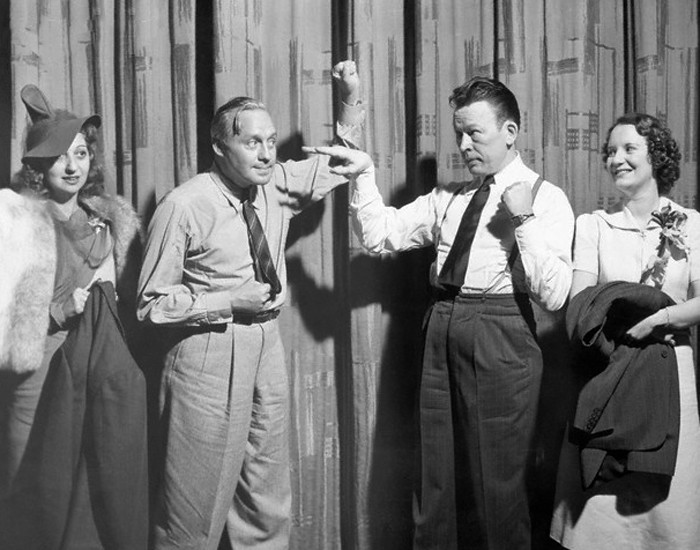
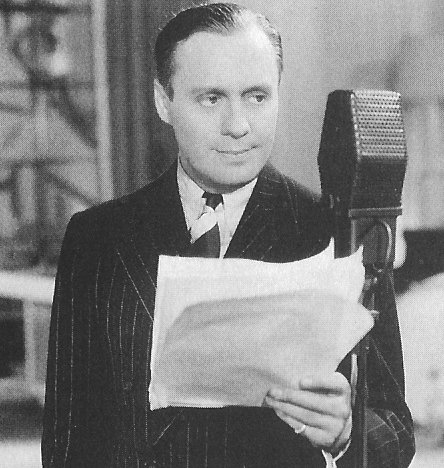
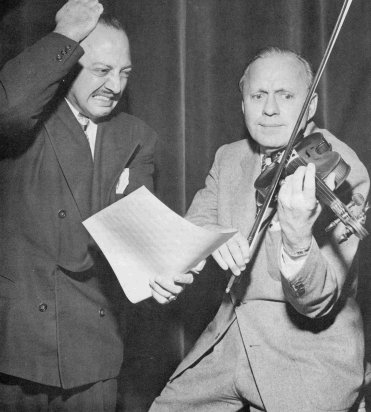
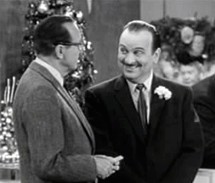
JackBennyHappyBirthdayBut, Valentine’s Day means something special to old-time radio fans…for 119 years ago on this date, Benjamin Kubelsky was born in Chicago even though he lived for many years in a town he would make famous: Waukegan, Illinois.  We know him better, of course, as Jack Benny—a show business name that he would adopt after trying out different monikers (Benjamin Kubelsky, Ben K. Benny) on his road to stardom in vaudeville and movies (he signed a five-year contract with MGM in 1929).


jackbenny24Jack Benny’s movie career stalled before it really got started—though in later years he would make successful forays into motion pictures, notably with the 1942 black comedy classic To Be or Not to Be.  The comedian would find his greatest fame in the new medium of radio.  Less than two months after a guest appearance on newspaper columnist Ed Sullivan’s radio show on March 19, 1932 (“Ladies and gentlemen, this is Jack Benny talking.  There will be a slight pause while you say ‘Who cares?’”), Jack landed his own program with Canada Dry.  Jack Benny became an entertainment institution for over forty years, selling products like Jell-O and Lucky Strike cigarettes as fast as the sponsors could make them.


bennyblancOTR historian John Dunning once labeled The Jack Benny Program “the quintessential American radio comedy show.”  The comedian experimented with his radio half-hour, moving away from the traditional vaudeville-based humor (in which the comedian would tell a few jokes, then cut away to a musical selection) to create a more character-based comedy—a form that we recognize even today as the sitcom.  Against the simple background of preparing for a comedy program week after week, Jack Benny also revolutionized radio humor.  His celebrated “gang”—announcer Don Wilson, bandleader Phil Harris, tenor Dennis Day, gal Friday Mary Livingstone (Benny’s spouse in real life), and chief-cook-and-bottle-washer Eddie “Rochester” Anderson—often got bigger laughs than the star, when traditionally the comic used stooges as straight men so they could deliver the punchlines.  On his program, Jack was the straight man…and his regulars would soon be joined by a stock company of fine character performers that included Sheldon Leonard, Joseph Kearns, Verna Felton, Frank Nelson, Artie Auerbach, Bea Benaderet…and most importantly of all, Mel Blanc—who voiced everything from Jack’s pet polar bear Carmichael to his beloved rattletrap Maxwell.


jackfrankOne of the reasons it feels so right to celebrate Jack Benny’s birthday on Valentine’s Day is because the comedian’s character was one of the most beloved individuals on radio and TV.  Despite the fact that the Benny of these two mediums possessed so many unattractive traits—avarice, vanity, cowardice, etc.—he was the Everyman whose exaggerated frailties were recognizable by everyone who listened and watched.  Just seeing Jack having to deal with an obstreperous clerk (usually played by Frank Nelson)—and react with four fingers to the cheek and a forlorn stare—made him sympathetic to those of us in the home audience.  So much so, in fact, that we would forget for a moment that this was the same man who treated his employees like chattel and would blow up at the pettiest of disturbances.  Contrary to his cheapskate character, Jack Benny was one of the most generous entertainers in all of show business.  Rarely did anyone conduct an interview with Benny without him acknowledging that he owed his success to his first-rate writing staff—Harry Cohn, Ed Beloin and Bill Morrow in the radio pre-war years; Sam Perrin, George Balzer, Milt Josefsberg and John Tackaberry after 1943.


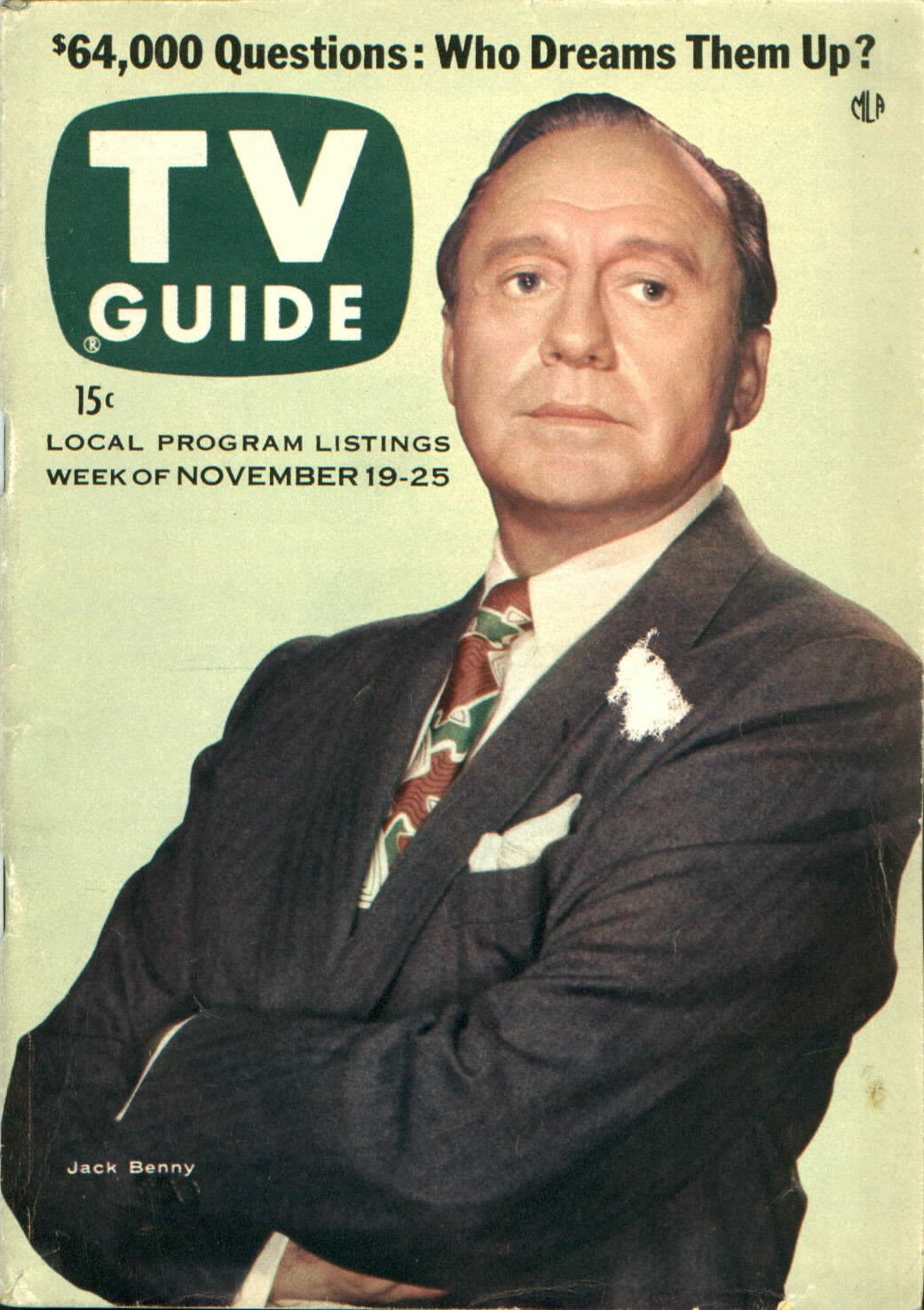
bennyTVguideWhen television began to rear its ugly head, sounding the death knell for the wonderfulness that was radio, Jack made the transition to the visual medium like so many of his contemporaries—but, he did it much in the manner of a person sticking his toe in the water of what he believed was a freezing cold lake.  His first television season consisted of two shows; later he would alternate every other week, making hits of the programs that shared his time slot, like Private Secretary and Bachelor Father.  It wasn’t until 1960 that Benny started doing his TV program every week, and the only reason he stopped at the end of the 1964-65 season was that one night he was so wrapped up watching the competition (Gomer Pyle, U.S.M.C.) he missed his own program.  He figured that if he couldn’t be bothered to watch it, why would other people?  Still, Jack Benny remained a fixture on TV through a series of high-rated specials up until his death in 1974.


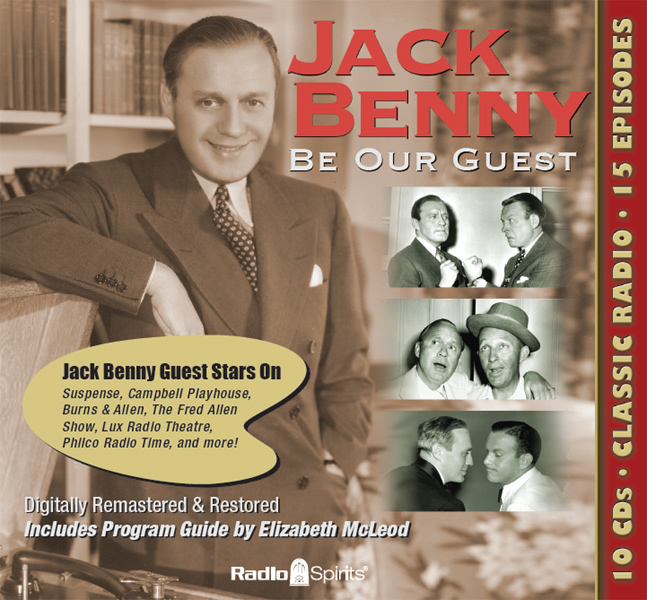
20396As a person who both loves and writes about old-time radio, I often enjoy asking other people what they love about OTR—in the form of their favorite programs, personalities, etc.  There seems to be a consensus that, while an individual that makes me laugh may have the opposite effect on someone else, very few people have ever had anything negative to say about Jack Benny…and most of them still include him when they begin to tick off their list of radio favorites.  So, while I won’t hesitate to make sure my loved ones get a nice card, box of candy, or bouquet of roses today…I’ll also be smiling when I remember that one of the greatest comedians to ever walk the planet was born on the day we set aside for a celebration of love.  Radio Spirits has a closet full (though I should stress it doesn’t belong to Fibber McGee) of great collections featuring Jack Benny, including the latest release Jack Benny: Be Our Guest.

Happy birthday, Janet Waldo!

waldo1

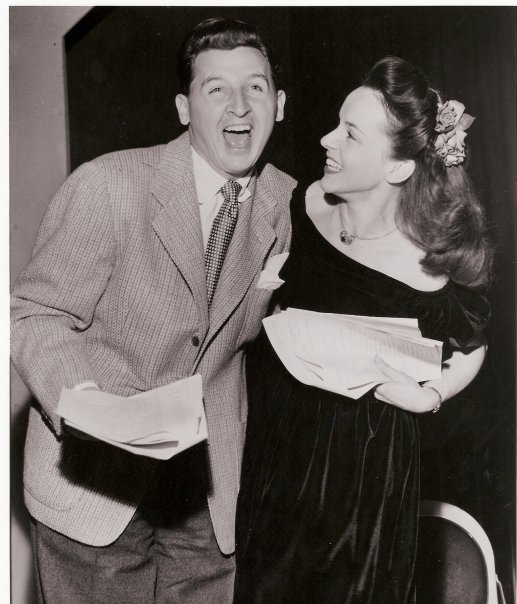
One of old-time radio’s true blue veterans—not to mention one of the preeminent voice artists of any generation—celebrates her 89th birthday today.  Janet Waldo, whose instantly recognizable voice has been heard since the 1930s on radio, television and movies, is still active in show business today as one of the performers on the weekly radio series Adventures in Odyssey.


waldo10A native of Yakima, Washington, Janet’s bite from the acting bug occurred in her early years while participating in church plays, but her big break came when while attending the University of Washington.  It was there that she received an award for her participation in a student play and caught the eye of none other than The Old Groaner himself, Bing Crosby…who happened to visiting as an old alum at the time.  Der Bingle got her a screen test with Paramount, and she got bit parts in several of Bing’s feature films, among them Sing, You Sinners (1938), The Star Maker (1939) and Rhythm on the River (1940).


waldo2Waldo continued to get small parts in notable films like Waterloo Bridge (1940) and So Ends Our Night (1941)…and was even leading lady to cowboy star Tim Holt in a pair of B-westerns, The Bandit Trail (1941) and Land of the Open Range (1942).  It would be radio, however, that paved the way for a more secure foothold in show business and, once again, she got an assist from Bing.  She began getting roles on The Lux Radio Theatre in 1941, and from that point found herself in demand as a radio actress.  Among the many shows on which Janet emoted were Dr. Christian, The Mayor of the Town, One Man’s Family, The Cavalcade of America, The Eddie Bracken Show, Favorite Story, The Great Gildersleeve, Burns and Allen and The Railroad Hour.


Janet’s best known radio gigs included The Adventures of Ozzie and Harriet, on which she played dizzy teenager Emmy Lou, whose advice to Ozzie wasn’t always particularly sound.  (She would also visit the Nelsons on TV, too.)  She acted opposite the silver screen’s Henry Aldrich, Jimmy Lydon, in a short-lived series entitled Young Love…which was heard during the 1949-50 season.  But, her true radio epitaph would probably state in humorous fashion: “Here Lies Corliss Archer.”


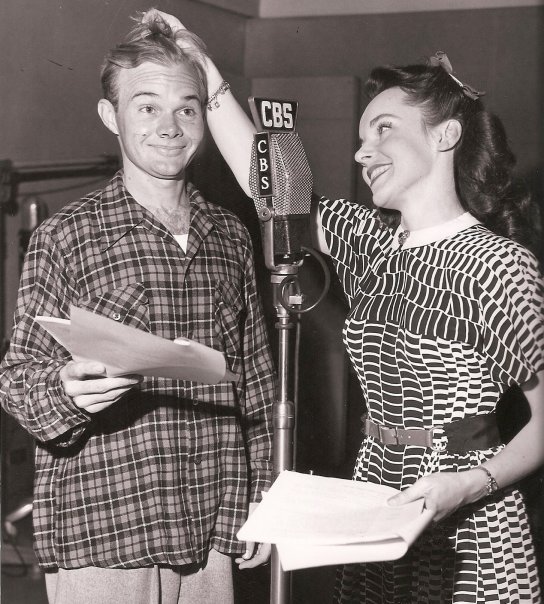
waldo3Meet Corliss Archer was a situation comedy that premiered on January 7, 1943 over CBS Radio.  It was based on the literary creation of F. Hugh Herbert, who transformed a magazine story entitled “Private Affair” into a successful stage play, Kiss and Tell.  (The play would later be adapted for the big screen as a vehicle for a more mature Shirley Temple, who also appeared in a 1949 follow-up, A Kiss for Corliss.)  Corliss Archer was your average teenage girl experiencing the typical problems of growing up…and while her misadventures didn’t quite approach the weekly catastrophes of her distaff counterparts Henry Aldrich and Archie Andrews, they were guaranteed not to be straightened out until the end of the half-hour.  Priscilla Lyon originated the role of Corliss when it went on the air in 1943, but relinquished the part to Janet by the following year.  Waldo continued in the role for nearly ten years afterward.  The show had a lengthy run on CBS and other networks, but audiences often had difficulty locating the program due to its “musical chair” time slots.  (By the way, Radio Spirits has a 2-disc collection available.)


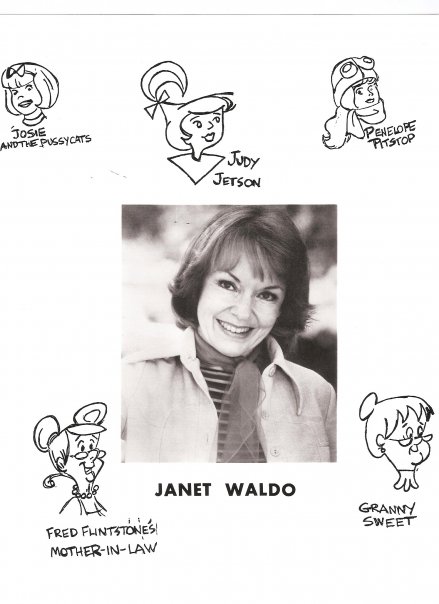
waldo8Janet married playwright Robert E. Lee (the co-author of the hit play Inherit the Wind) in 1948, and found that radio was a good way to keep working while raising a family…which is why she turned down the chance to be Corliss Archer when the show went to TV in 1951.  Throughout the decade, she would become an accomplished voice artist…and as such, came to the attention of cartoon producers Bill Hanna and Joe Barbera in 1962.  The pair cast her as the voice of daughter Judy Jetson (think Corliss in space) on their primetime animated series The Jetsons.  Waldo would become identified as the voice of Judy, not to mention other characters in Hanna-Barbera creations: she was Granny Sweet in the Precious Pupp segments of The Atom Ant Show; feminine car enthusiast Penelope Pitstop on both Wacky Races and The Perils of Penelope Pitstop, a Races’ spin-off; and lead singer Josie McCoy on both Josie and the Pussycats and Josie and the Pussycats in Outer Space.  Other H-B cartoons on which Janet worked include The Space Kiddettes, Shazzan and The Cattanooga Cats…and I haven’t even begun to scratch the surface.


Recently, Janet participated with several other voice artists (including June Foray, Gary Owens, Chuck McCann and Stan Freberg) in a documentary entitled I Know That Voice, which is scheduled to be released sometime this year.  Radio Spirits wants to wish her many happy returns of the day–and after the candles are extinguished, and cake and ice cream dished out, we’d throw in a “COOOOORRRR-LAISS!” just for good measure.

Return with us now to those thrilling days of yesteryear

generations


Nowhere in the pages of history can one find a greater champion for justice…and you only need to look back eighty years ago on this date in 1933 to find the debut of one of radio’s legendary heroes and a true pop culture icon.  When The Lone Ranger made its first appearance over WXYZ radio (though history notes that a “test broadcast” was conducted a day earlier), it would put the masked man (and his faithful Indian companion, Tonto) among the forefront of the great fictional heroes of all time; his influence is still being felt today with the announcement of a feature film based on his exploits that is to be released this year (we’ll reserve editorial comment on this one).


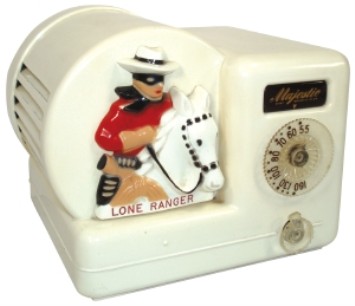
lonerangerThe origin of the Lone Ranger has been told, retold and embellished since the program’s 1933 debut—but the essential story is that the Ranger was one of six Texas Rangers caught in an ambush by outlaw “Butch” Cavendish and his gang.  A Native American named Tonto found the survivor and nursed him back to health…and when he was back at full speed, he and his Indian friend dug six graves to convince the outlaws that all of the Rangers were killed—while he himself donned a mask (made from the vest of the Ranger Captain, his brother Dan) and in his hidden guise tracked down each and every member of the gang.  Realizing that there was a place for him to fight injustice “in the early Western United States,” he continued on in his new identity, accompanied by Tonto and riding a white horse named Silver.  (“Hi-yo, Silver…away!”)


loneranger3The show was an immediate hit, attracting a large adult audience, even though The Lone Ranger was originally directed toward kids.  The program was picked up for broadcast by the Mutual Network, and later switched to the Blue Network of NBC (which later became ABC).  The show lasted until September 3, 1954, with transcribed reruns heard on ABC until June of 1955 when it moved to NBC, where the final rerun was heard on May 25, 1956.  In the meantime, a popular TV version was going strong on ABC..after having already branched out into comic books, movie serials, etc. years earlier.


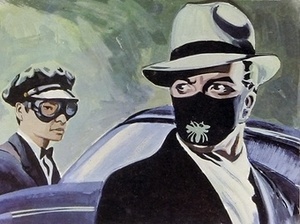
greenhornet4The success of The Lone Ranger convinced George W. Trendle, the manager of station WXYZ, that the formula was sound enough for a second program—one that would update the crime-fighting hero to a modern era.  Thus, The Green Hornet was created…a radio series which also premiered on a January 31, three years after The Lone Ranger’s debut (so it’s celebrating its 77th anniversary today).  In a major metropolitan city, the publisher of one of the city’s newspapers (The Daily Sentinel) also donned a disguise to battle the criminal element and underworld eating away at the quality of the life of that very burg.  That publisher was Britt Reid, and with a faithful sidekick in his valet Kato, Britt used a souped-up car (the Black Beauty) instead of a horse, but ran down bad guys all the same.


The Green Hornet soon became just as popular as The Lone Ranger.  Two years after its WXYZ debut, it also got a national audience when it moved to Mutual, and then to Blue/ABC in November of 1939.  It would be heard over that network until December 5, 1952—and, like the adventures of that masked man of the Old West, would also lead to comic books, radio serials (one of which has been discussed previously here on the blog) and a TV show which ran briefly for one season in the 1960s.


greenhornetWith the passage of time, an interesting mythology about the Reid family was created: Britt Reid was the scion of Dan Reid—the same Dan Reid who was the son of the fallen Ranger Captain on The Lone Ranger…and hence the surviving Ranger’s nephew.  (That would make Britt Reid The Lone Ranger’s grand-nephew, for those of you keeping score at home.)  It should be pointed out that it took many years for this to develop—but the culmination came with a November 11, 1947 Hornet broadcast (“Too Hot to Handle”), in which Britt tells his father (Dan) that he is The Green Hornet.  The senior Reid then fills Britt in on the exploits of another masked vigilante with whom he had ridden with long ago…and to make sure listeners got the point, the strains of the William Tell Overture—The Lone Ranger’s theme—could be heard in the background.


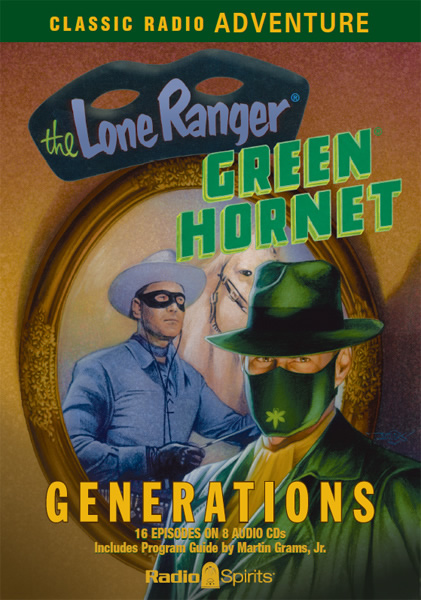
That classic broadcast makes up one of several programs available in the Radio Spirits collection The Lone Ranger & The Green Hornet: Generations.  Included in the set are the story of the Ranger’s origin, the introduction of the Dan Reid character, and classic Green Hornet broadcasts that explore the two shows’ unique “family ties.”  On this anniversary date, celebrating two of the finest juvenile adventure shows of Radio’s Golden Age, they would make for an afternoon of great listening.