Your Shopping Cart | Your Account Information | Catalog Quick Order | Customer Service | Order Status | Contact Us
RadioSpirits.com

HOMENEW RELEASESBESTSELLERSCLEARANCEBOOKSDVDsMUSICDOWNLOADS

AboutBlogOur Radio Show SEARCH   KEYWORD

Happy Birthday, Boris Karloff!
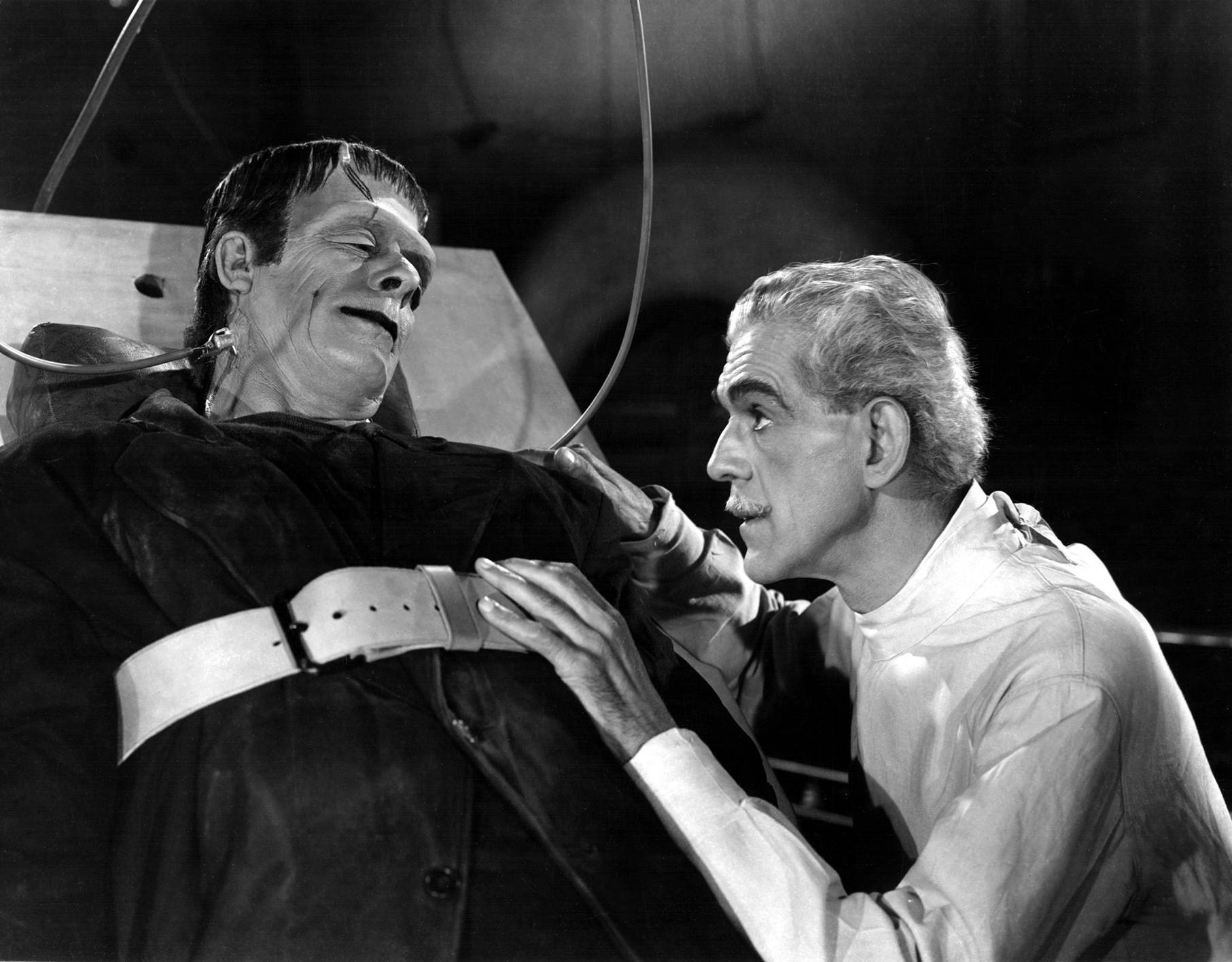
houseoffrankenstein

Born on this date in 1887, William Henry Pratt no doubt had little inkling that he was destined to become a horror film icon and one of the silver screen’s most beloved performers.  After being educated at various London schools, he intended on studying for the consular service at King’s College London.  He dropped out around 1909, working at various odd jobs until his yen for the stage developed.  He moved to Canada that same year to appear in stage shows, and it’s long been suspected that, because Pratt feared bringing embarrassment to his family through his pursuit of a career in acting, he changed his name to…“Boris Karloff.”
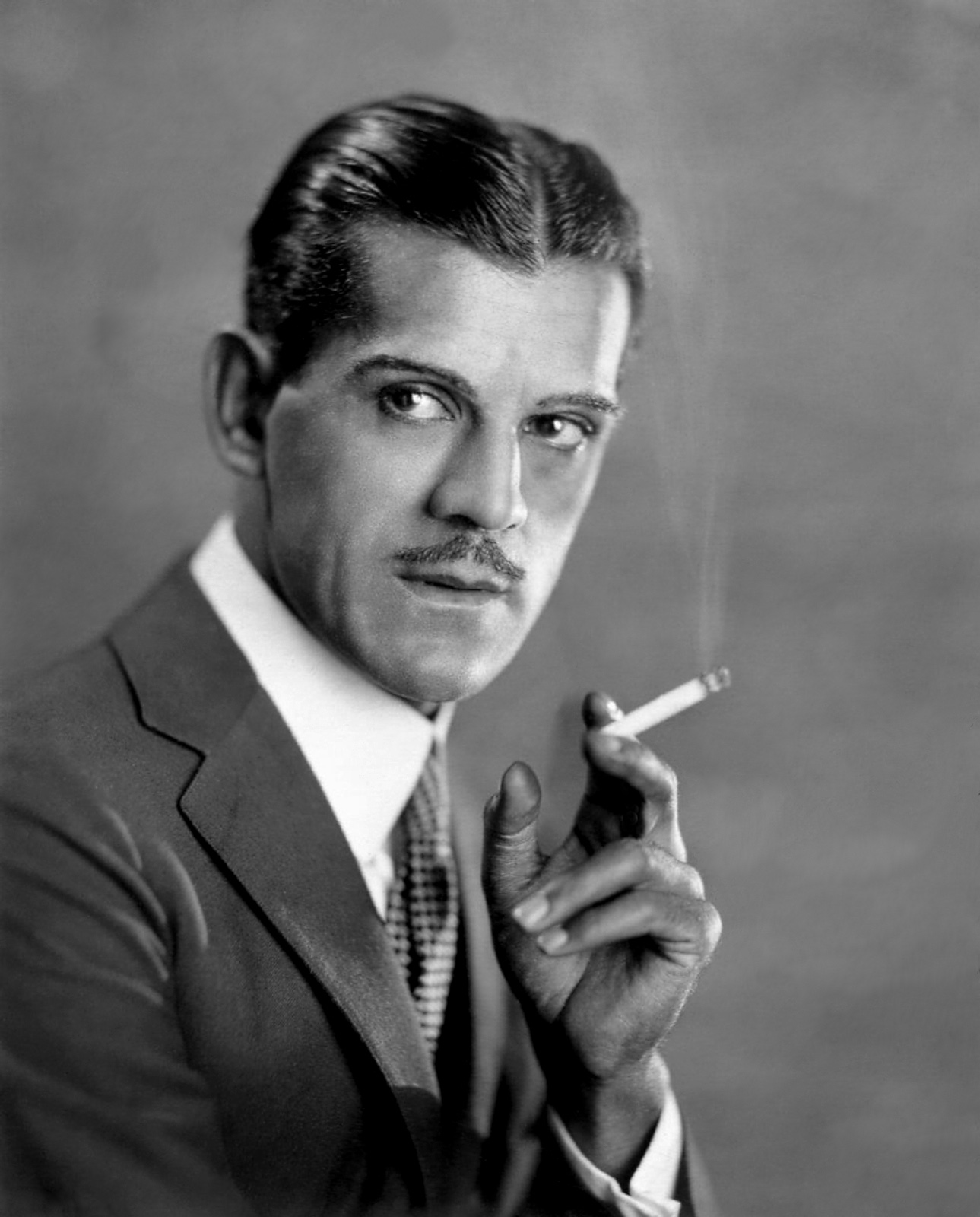
youngborisFor the young Karloff, an acting career was satisfying in every way but financial; during his halcyon stage years in Canada and later the U.S., he was often forced to take supplemental menial jobs to keep body and soul together.  Having made his way to Hollywood, he continued his craft with small parts in silent films (The Bells, Two Arabian Knights) while occasionally landing larger roles in silent and sound serials like The Hope Diamond Mystery (1920) and King of the Kongo (1929).  It wasn’t until 1931 that things began to turn around for Boris; he had a small but unforgettable role in the Howard Hawks-directed The Criminal Code (reprising a role he played on stage), and nice showcases in both Five Star Final and The Guilty Generation.
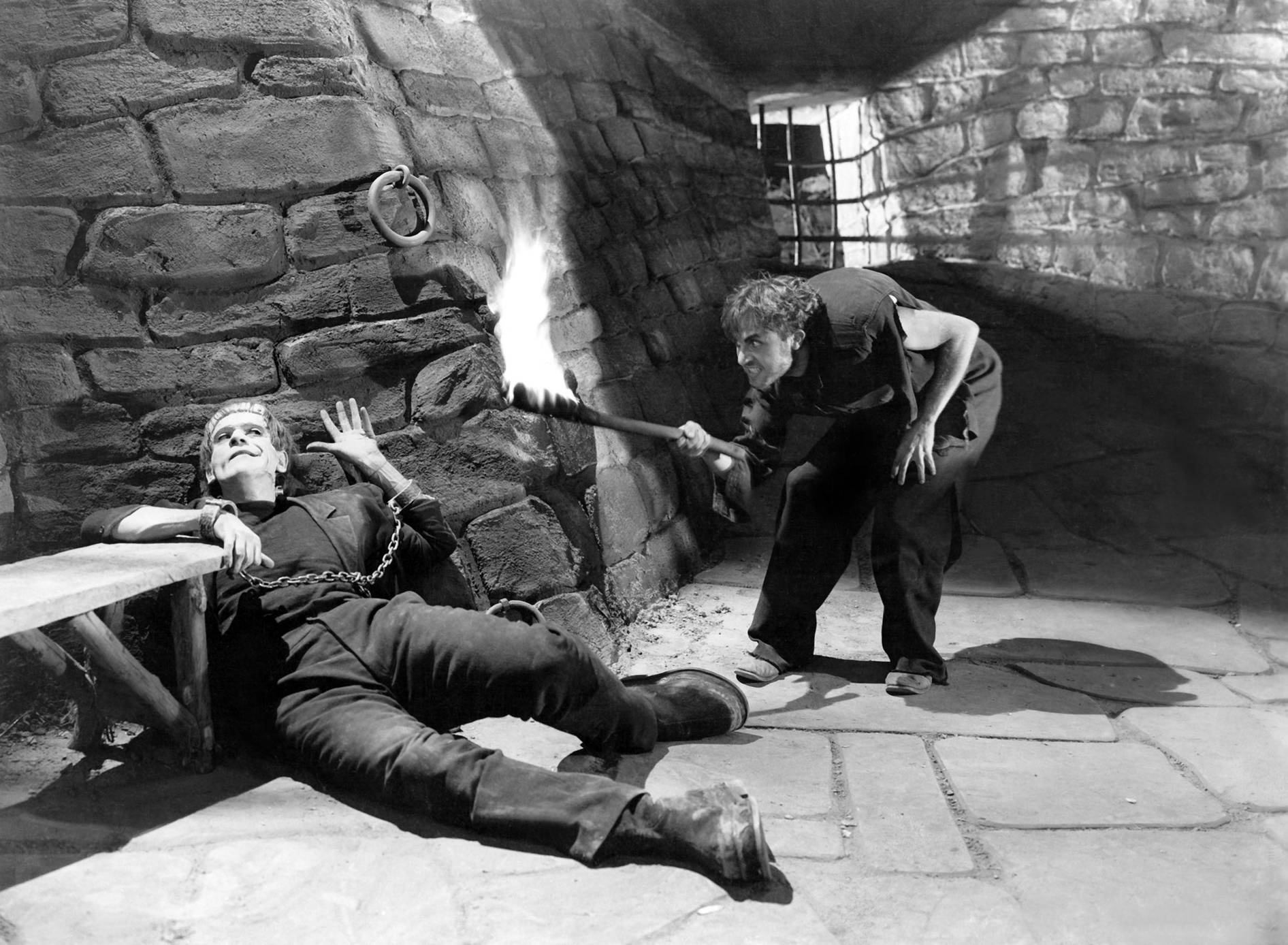
frankensteinThe Criminal Code helped him land the part that made him a star: the monstrous creation that sprang from the laboratory of the doctor known as Frankenstein (1931).  He almost didn’t get to play The Creature; Universal’s resident “monster” star Bela Lugosi had originally been cast, but Lugosi’s screen test made studio head Carl Laemmle laugh out loud.  Although Karloff wasn’t billed in his role in Frankenstein (he’s credited as simply “?”), it did not take long before Universal realized that the actor was well on his way to becoming the new face of horror.  Films like The Mummy (1932) and The Old Dark House (1932) showcased his incredible talent, and he was also paired with his rival Bela in outings like The Black Cat (1934) and The Raven (1935).  Karloff also reprised The Monster in a follow-up to Frankenstein, Bride of Frankenstein (1935)—which some have argued is even better than the original.  (This time, there was none of that “?” malarkey—the actor simply went by “Karloff.”)
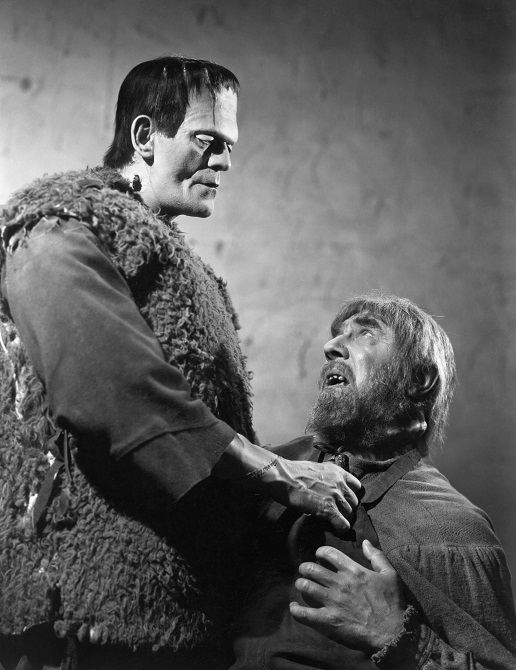
sonoffrankensteinA public backlash against horror movies discouraged Universal from continuing their franchise for a few years, but Boris proved he could do more than just growl and grunt.  Among the films on his resume were Scarface (1932—he doesn’t strike people as a gangster type, but he makes it work), The House of Rothschild (1934), The Lost Patrol (1934) and Charlie Chan at the Opera (1936), one of the best entries in the Charlie Chan series.  Boris would tackle the role of the Monster one more time in 1939’s Son of Frankenstein before passing the role onto others.  Though his horror films made his fame and fortune, they unfortunately had a negative effect in that the actor also wound up gracing a lot of programmers and B-pictures.  For example, in 1938, he began the first of several Monogram quickies playing Hugh Wiley’s literary sleuth James Lee Wong (perhaps because Peter Lorre was enjoying success as John P. Marquand’s Mr. Moto).  The Wong movies weren’t much to write home about…but Boris, ever the professional, always gave his all.
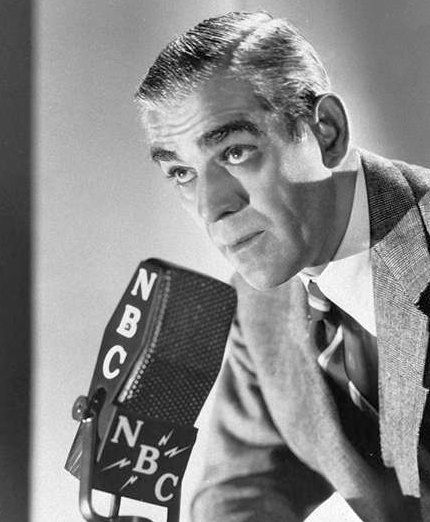
boriskarloffThe medium of radio would provide Boris Karloff an outlet to continue his reputation as entertainment’s premiere horror menace.  Boris appeared a number of times on Arch Oboler’s Lights Out – notably in an episode entitled “Cat Wife” in which Karloff portrays a man whose nasty, vindictive wife morphs into a giant feline.  The actor also visited Inner Sanctum on several occasions, not to mention a 1944 Blue Network horror anthology, Creeps by Night.  Karloff sat in on the panel of Information, Please, and joshed with comedians like Fred Allen, Jack Benny and Bergen & McCarthy while poking fun at his horror image on programs like Duffy’s Tavern.  Boris even got the opportunity to exercise his dramatic chops on The Theatre Guild on the Air and The NBC University Theatre.
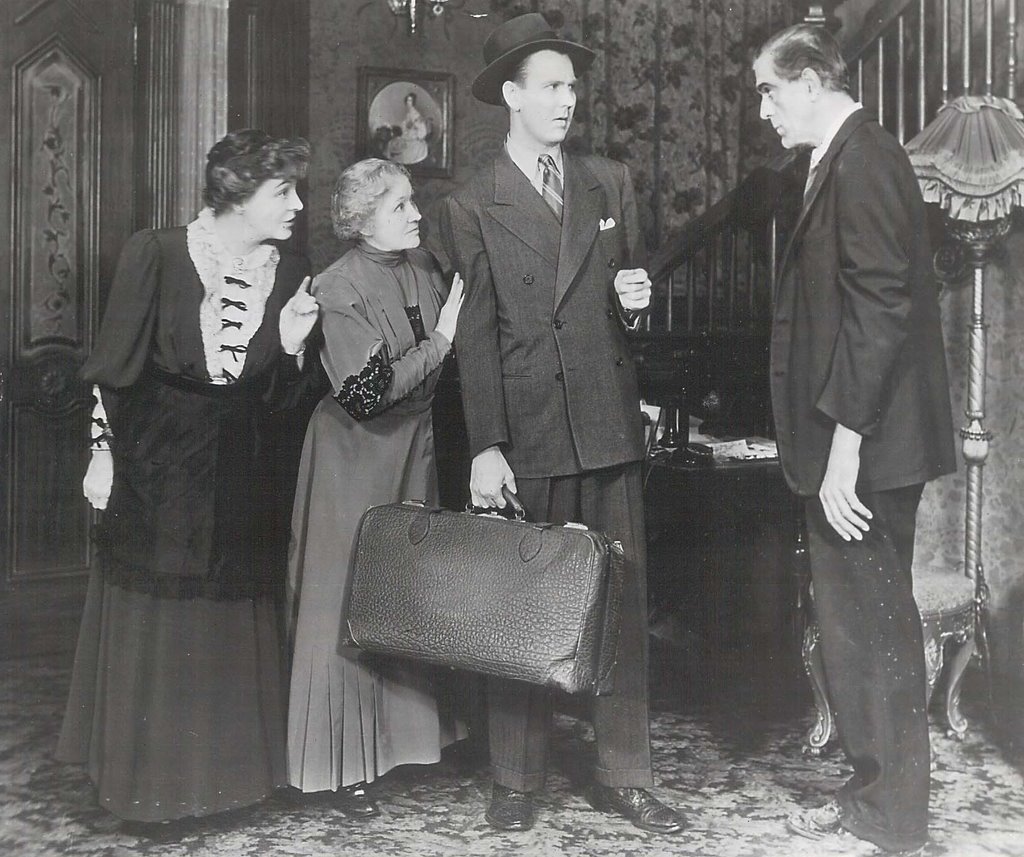
arsenicandoldlaceIn 1941, Boris Karloff was wowing critics with his stage work as a homicidal maniac in the black comedy Arsenic and Old Lace—the in-joke of the play was that his character was repeatedly mistaken for Karloff due to some botched plastic surgery.  A film adaptation of the hit went into production at that time…but unfortunately, the play’s producers would not allow Boris to appear in the movie because he was the main attraction for Broadway audiences.  (Raymond Massey wound up playing the part in the film, which wasn’t released until 1944, after the stage play had finished its run.)  Had Boris been allowed to make the film, it would probably be more beloved than it is today (he eventually did get to do a version of Arsenic in a 1962 episode of TV’s Hallmark Hall of Fame).  However, we shouldn’t forget the excellent film work that he did do at that time, particularly a trio of films produced by the legendary Val Lewton: The Body Snatcher (1945—his last film with Lugosi), Isle of the Dead (1945) and Bedlam (1946).  The actor also continued to demonstrate his comedic abilities in appearances with Danny Kaye (The Secret Life of Walter Mitty) and Abbott & Costello (Abbott & Costello Meet the Killer, Boris Karloff).
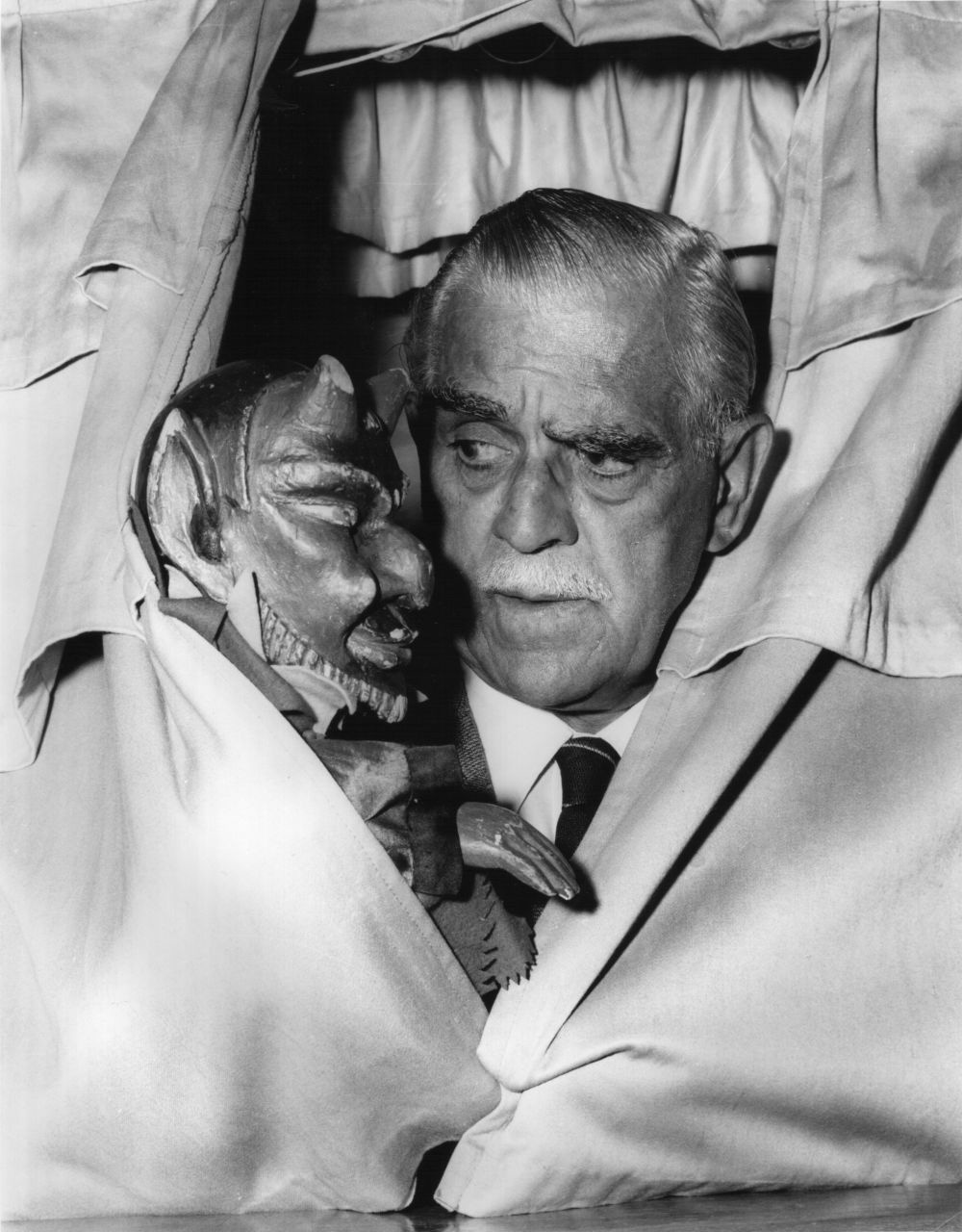
thrillerBoris Karloff was one of the first film stars to test the waters of television.  In 1949, he hosted a television horror anthology (that was also broadcast on radio) entitled Starring Boris Karloff…as well as playing the titular role in the syndicated series Colonel March of Scotland Yard.  He guest-starred on TV series like Suspense, Lights Out, Shirley Temple Storybook and The Gale Storm Show in the 50s, and favorites like Route 66, The Wild Wild West, I Spy and The Girl from U.N.C.L.E. the following decade.  His best-remembered boob tube showcase remains Thriller, an anthology series televised on NBC from 1960-62 that author Stephen King once declared “the greatest horror series ever to air on television.”  While Boris was the weekly host, he also acted on occasion in such memorable episodes as “Dialogues with Death” and “The Incredible Doktor Markesan.”
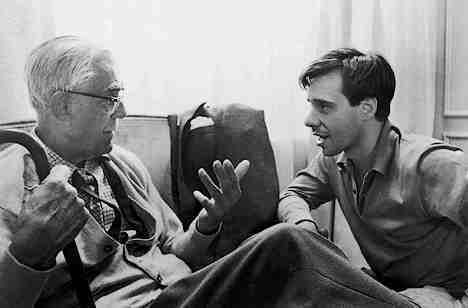
targetsBy the 1960s, even though he had fewer film roles, Boris remained a pop culture icon.  One of his all-time best horror outings was in the Mario Bava-directed Black Sabbath (1964), and he made a number of movies for American International Pictures, including The Terror (1963), The Comedy of Terrors (1963) and The Raven (1963)—a wonderful horror comedy that also features Vincent Price and Peter Lorre.  In fact, it was because Karloff owed director-producer Roger Corman a few days’ work that he was cast in the cult classic Targets (1968), as a faded horror actor (named Byron Orlok) who’s convinced his kind of movie terror can’t compete with the real horrors of today.  Targets, directed by newcomer Peter Bogdanovich, wasn’t technically Boris’ last film (he appeared in four Mexican horror quickies released sometime afterward), but I like to consider it so.  He died on February 2, 1969—a notation on a plaque inside St. Peter’s Covent Garden (in London) reads: “He Nothing Common Did or Mean/Upon That Memorable Scene.”
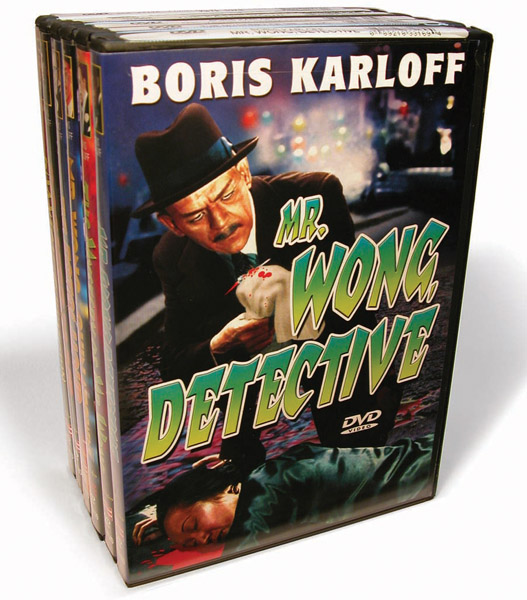
20199I’ve never made it a secret that I have been a passionate fan of both Boris Karloff and his film legacy…and I really had to reign in the gushing, otherwise this blog post would have gone on forever.  Here at Radio Spirits, we feature much of Boris’ work in the aural medium: Lights Out, Everybody! features the classic “Cat Wife” episode mentioned above.  You can hear Boris cut up on broadcasts with Fred Allen (The Fred Allen Show) and Jack Benny (No Place Like Home), and he can also be heard on two shows featured on our Happy Halloween! collection (The Edgar Bergen & Charlie McCarthy Show and Sealtest Variety Theatre).  For a visual Boris, why not check out some episodes of his 1958 boob tube anthology The Veil—which you’ll find on Lights Out: Volume 1.  And for the die-hard Karloff fan, you can revisit his role as the inscrutable sleuth Mr. Wong in Mr. Wong, Detective: The Complete Collection.  (Here’s where I get to say:  “Tell them Boris sent you!”)
Happy Birthday, Dick Powell!

powell4

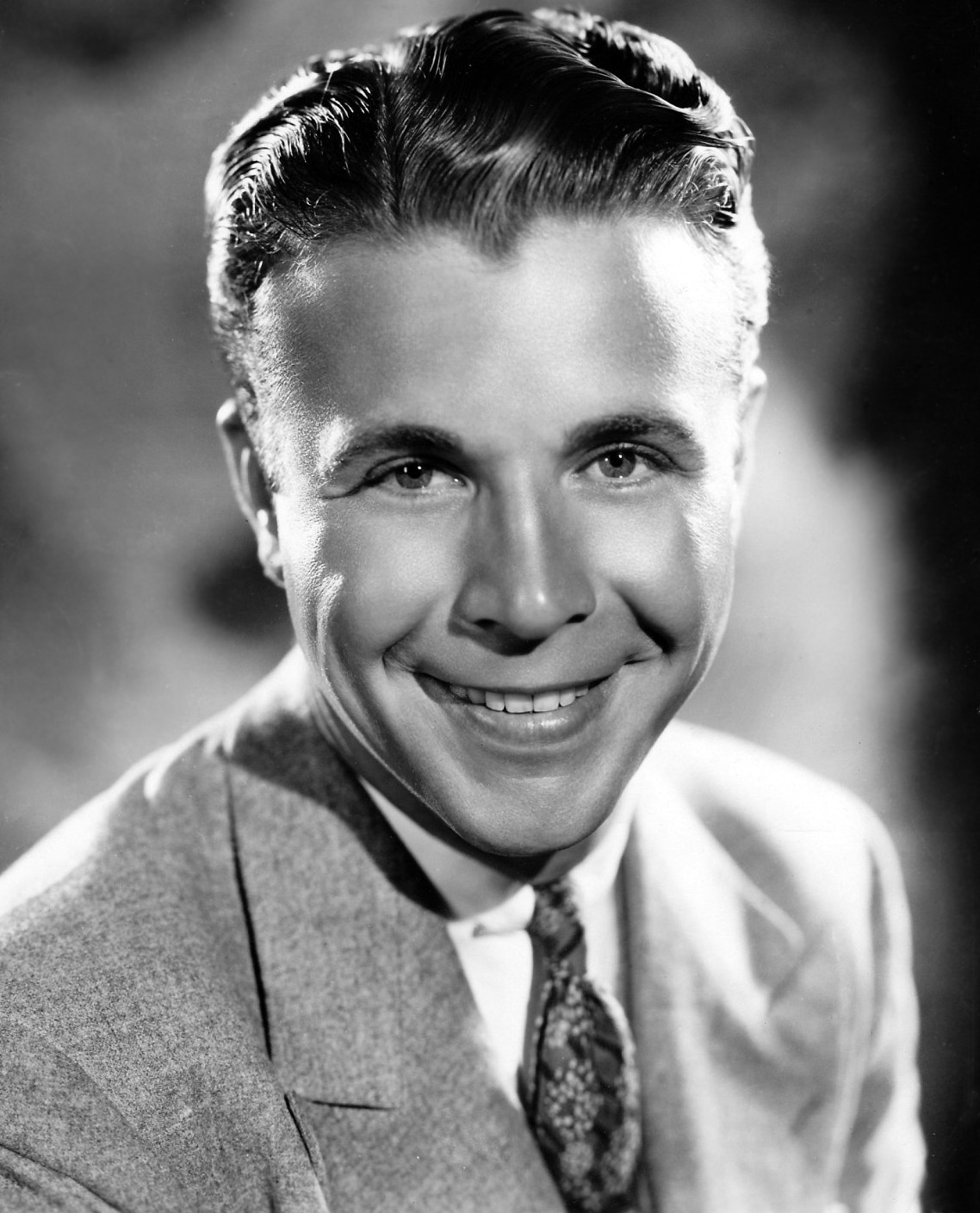
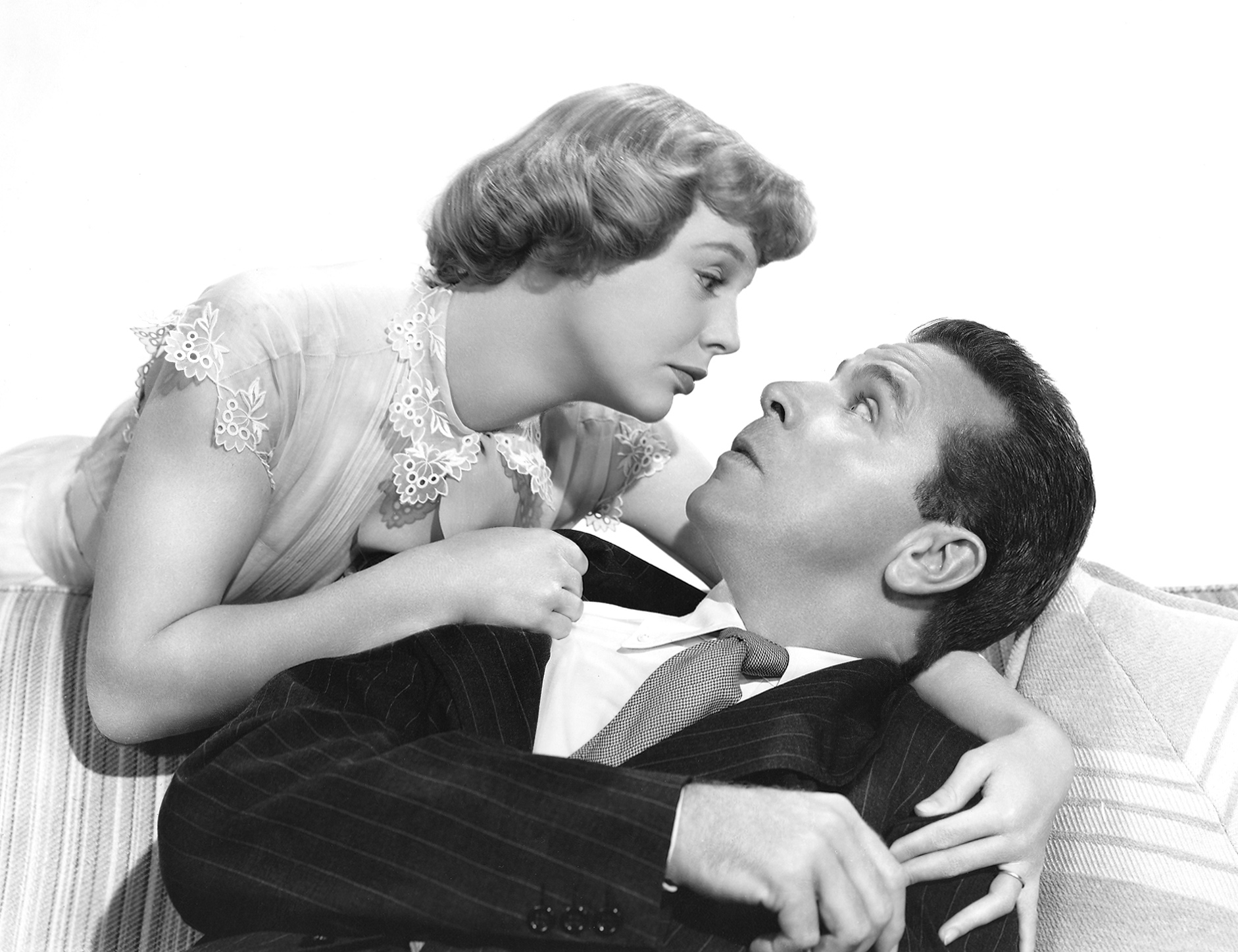
powell9Born in Arkansas on this date in 1904, the man christened Richard Ewing Powell would prove to be one of show business’ true chameleons.  His career is highlighted by a series of reinventions—both as he got older and as people’s tastes in entertainment changed—in every facet of the mediums in which he performed: movies, television…and especially radio.

His show business career began almost immediately after he graduated from college.  He was the male vocalist with Charlie Davis’ orchestra in the mid-1920s and recorded a number of songs with a record label known as Vocation, a subsidiary of Brunswick Records.  When Brunswick was bought by Warner Brothers in 1930, an executive from the company decided to sign Powell to a film contract on the basis of his recorded work.  Dick Powell made his film debut in the 1932 Lee Tracy vehicle Blessed Event (fittingly, he played a bandleader).

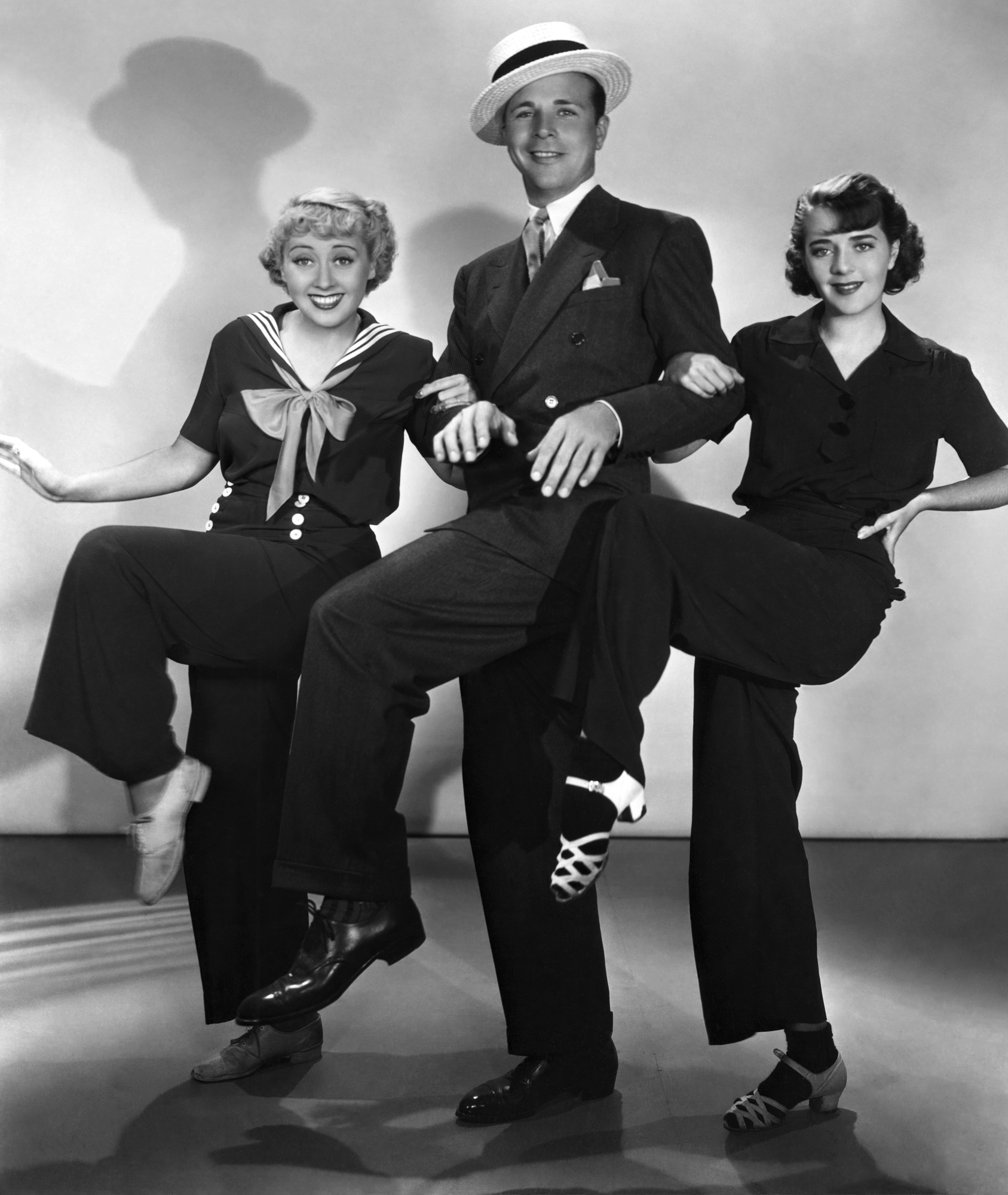
powell1Thus began the “chorus boy” phase of Powell’s many film roles.  After additional turns in vehicles like Too Busy to Work (1932) and Just Around the Corner (1933), Dick landed a plum part in 42nd Street (1933).  From that moment on, he graced the cast of practically every musical on the lot with a Busby Berkeley musical routine: Gold Diggers of 1933, 1935 and 1937, Footlight Parade (1933) and Dames (1934), to mention just a few.  Powell’s popularity as a crooner stretched to radio as well: he was the resident vocalist on Hollywood Hotel, an hour-long variety series hosted by gossip maven Louella Parsons.  Every big star in Hollywood (with precious few exceptions) appeared on the program at the bequest of Lolly, who was able to defray the exorbitant cost of each broadcast (it was the first program to be broadcast from the West Coast, at a time when the phone company charged more for the privilege) because of her standing in the film colony.  Celebrities didn’t go home completely empty-handed, however – the show was sponsored by Campbell’s, so guests got a welcoming embrace from Parsons and a case of soup.  (The program later inspired a 1937 film produced by Warner Brothers.)

Dick left Hollywood Hotel for a program entitled Your Hollywood Parade in 1937…and he bid Warner Brothers adios two years later.  The actor signed with Paramount in the hopes of acting in films that didn’t feature “the same stupid story,” but had only modest success with vehicles like Christmas in July (1940) and It Happened Tomorrow (1944).  On radio, Powell continued singing his heart out—he performed as a regular on such shows as Good News of 1940, Southern Cruise and Campana Serenade.  It wasn’t until 1944 that the actor got an opportunity to make a necessary change to his image.

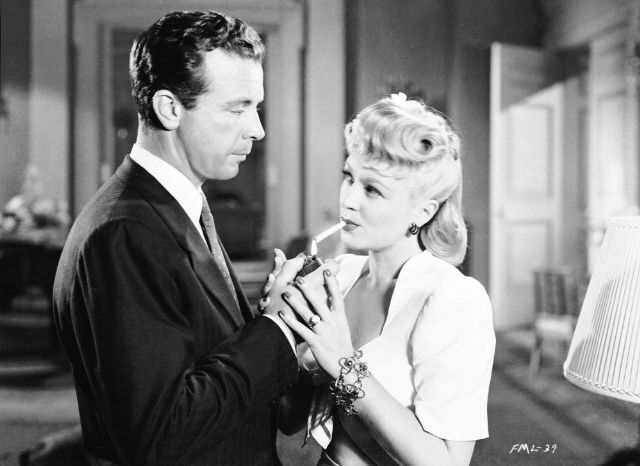
powell7Dick had wanted the part that ultimately went to Fred MacMurray in 1944’s Double Indemnity…but he scored a none-too-shabby consolation prize that same year when RKO tabbed him to play Raymond Chandler’s sleuthing creation Philip Marlowe in a film based on the author’s Farewell, My Lovely (the movie would be titled Murder, My Sweet).  Audiences got their first glance at Dick Powell the tough guy, and yet the actor had a vulnerability that made him the perfect person for the role of the idealistic (if occasionally cynical) Marlowe.  Murder, My Sweet did the trick for Powell; he was then assigned tough-guy roles in films like Cornered (1945), Johnny O’Clock (1947) and To the Ends of the Earth (1948).  He reprised the Marlowe role on a June 11, 1945 Lux Radio Theatre presentation of “Murder, My Sweet,” which gave him a respite from his hosting-singing duties on The Fitch Bandwagon.

diamond2With the success of Murder, Dick was able to talk company president F.W. Fitch into letting him do a hard-boiled private eye series during Bandwagon’s summer hiatus.  The show would be called Bandwagon Mysteries—but most listeners referred to it by its alternate title, Rogue’s Gallery.  The show starred Powell as private investigator Richard Rogue, a fairly run-of-the-mill shamus who, when knocked unconscious, would travel to what he referred to as “Cloud Number Eight” in his subconscious and confront his alter ego, “a nasty little spook” known as Eugor (that’s Rogue spelled backward).  Eugor, as played by radio veteran Peter Leeds, existed mainly to taunt and mock our hero in his subconscious state…but would occasionally steer Rogue toward a clue or bit of business that he might have overlooked, thus helping him crack the case.  The success of the summer run of Rogue’s Gallery got the show picked up in the fall, and Powell continued in the role until the show left Mutual at the end of the season.

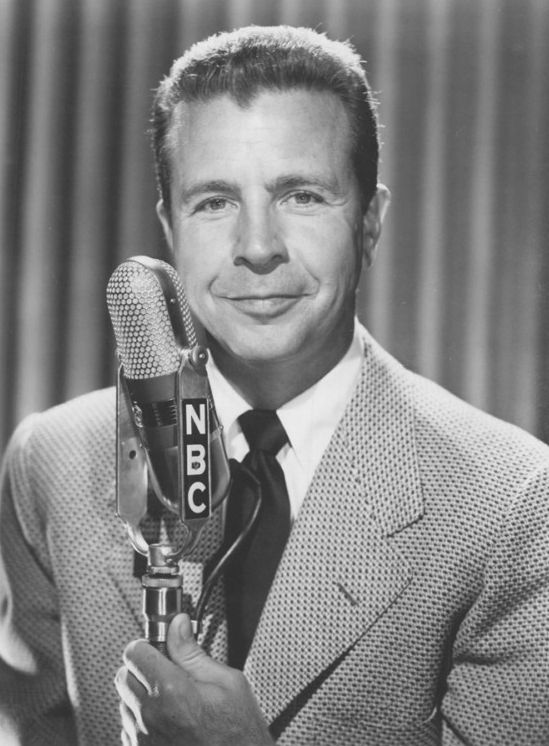
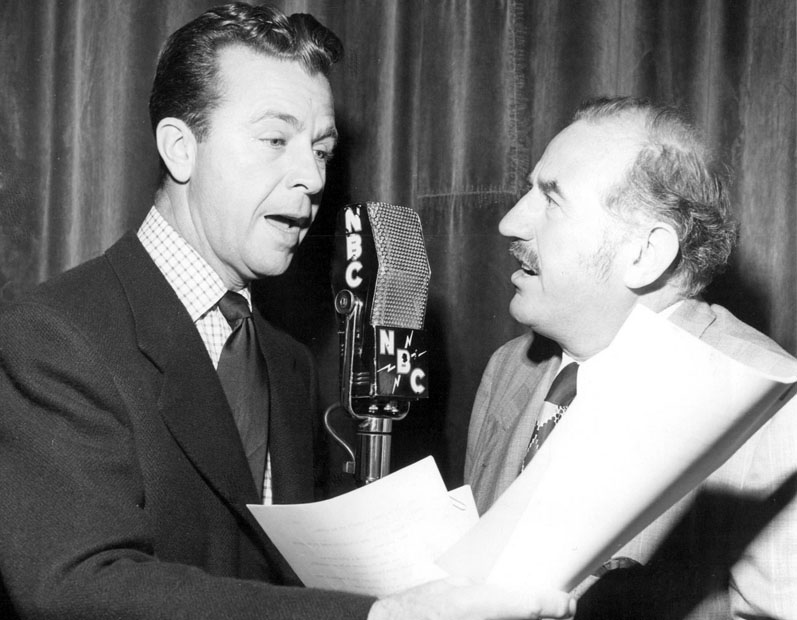
diamondRogue’s Gallery later continued for runs featuring Barry Sullivan, Chester Morris and Paul Stewart—but the Powell version became a blueprint for the actor’s best-known radio role: Richard Diamond, Private Detective.  Created by future film director Blake Edwards, Diamond starred Dick as a gumshoe not unlike Howard Duff’s Sam Spade: a hard-boiled character who also possessed a whimsical insouciance that allowed him not to take himself too seriously.  In addition, Powell decided to fall back on the crooner phase of his show business career by allowing Mr. D to warble a tune every now and then, usually to his rich socialite girlfriend Helen Asher (played by Virginia Gregg and Frances Robinson) at the conclusion of his crime-solving endeavors—which earned him the nickname “The Singing Detective.”  With a cast that also included Ed Begley, Ted de Corsia, Arthur Q. Bryan, Alan Reed and Wilms Herbert, Richard Diamond, Private Detective was a successful show for “the big three” (NBC, ABC and CBS) during its run from 1949 to 1953.

powell8At the same time as Richard Diamond, actor Powell continued to progress in his movie career: he continued his tough guy ways in vehicles like Pitfall (1948), Station West (1948) and Cry Danger (1951), and had a memorable role in the all-star MGM production The Bad and the Beautiful in 1952.  Dick also flexed his directorial muscles; holding the reins on motion pictures like Split Second (1953) and The Conqueror (1956).  His decision to stop appearing in front of the camera with 1954’s Susan Slept Here was more of a desire to continue working as a film director, which he did with The Enemy Below (1957) and The Hunters (1958).  But he also got in on the ground floor of television.  With Charles Boyer, David Niven and Ida Lupino he established Four Star Productions—the company that would oversee his forays onto the boob tube in the form of anthology series Dick Powell’s Zane Grey Theatre (1955-61) and The Dick Powell Theatre (1961-63), his last project before his death in 1963.

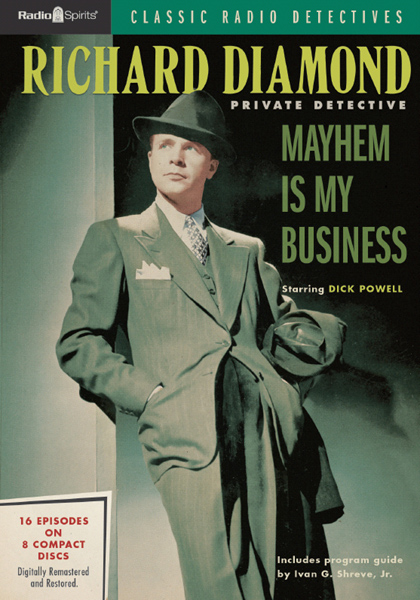
20516Here at Radio Spirits, we recognize Dick Powell’s amazing radio legacy with several collections of his signature series, Richard Diamond, Private Detective: Homicide Made Easy, Dead Men, Surplus Homicides and Mayhem is My Business (the last two feature liner notes by yours truly).  I also composed the notes for An Interest in Unalive Bodies, a set of Rogue’s Gallery broadcasts.  You’ll also want to check out The Many Voices of Yours Truly, Johnny Dollar…for it was Dick Powell who first played “America’s fabulous freelance investigator” in the December 8, 1948 audition show before he decided to get into the singing shamus business.

Happy Birthday, Shirley Mitchell!

mitchell9

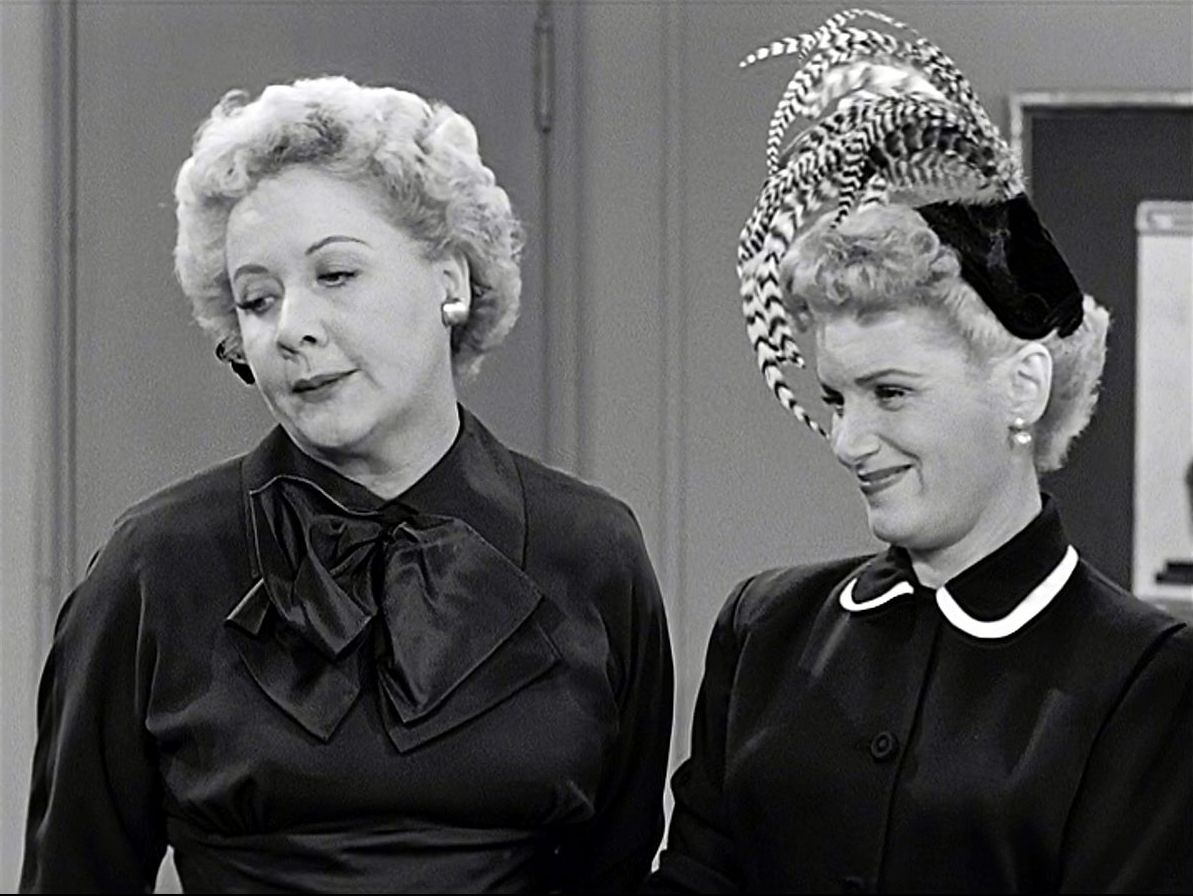
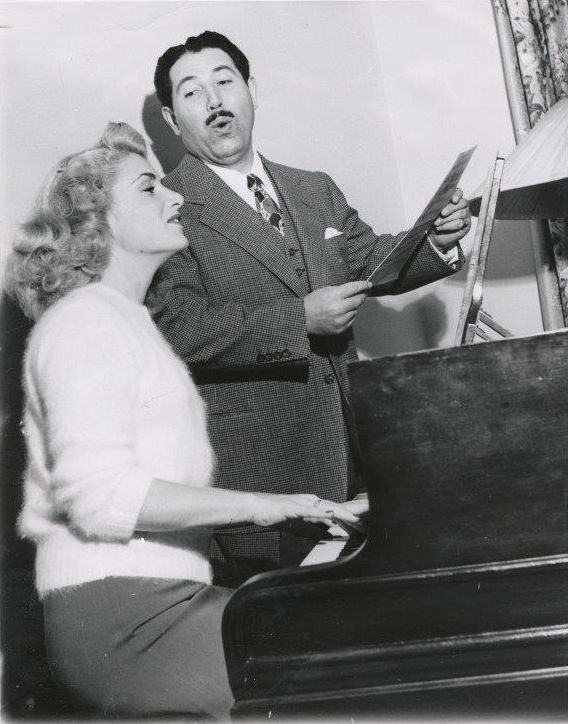
With the celebration of her ninety-fourth birthday today, actress Shirley Mitchell is the last surviving recurring cast member of I Love Lucy.  Couch potatoes remember Shirley as Lucy Ricardo’s pal Marion Strong, the women’s club colleague whose distinctive laugh prompted Lucy (in the episode “Lucy Tells the Truth”) to offer up the verbal smackdown: “Stop cackling, Marion—I’ve been waiting ten years for you to lay that egg!”
mitchell5Shirley became good friends with Lucille Ball during the famous redhead’s radio days on My Favorite Husband.  The actress herself was born in Toledo and, after attending both the University of Toledo and the University of Michigan (where she played summer stock), found steady work as a radio actress in Toledo, Cleveland and then Chicago, one of the major radio centers at that time.  Mitchell performed on such soap operas as The Story of Mary Marlin and Road to Life, as well as the popular dramatic anthology The First Nighter Program.  Relocating to Los Angeles in the 1940s gave her a great deal more exposure over the ether, appearing on programs like Dr. Christian, Suspense, Lights Out, The Lux Radio Theatre and Yours Truly, Johnny Dollar.

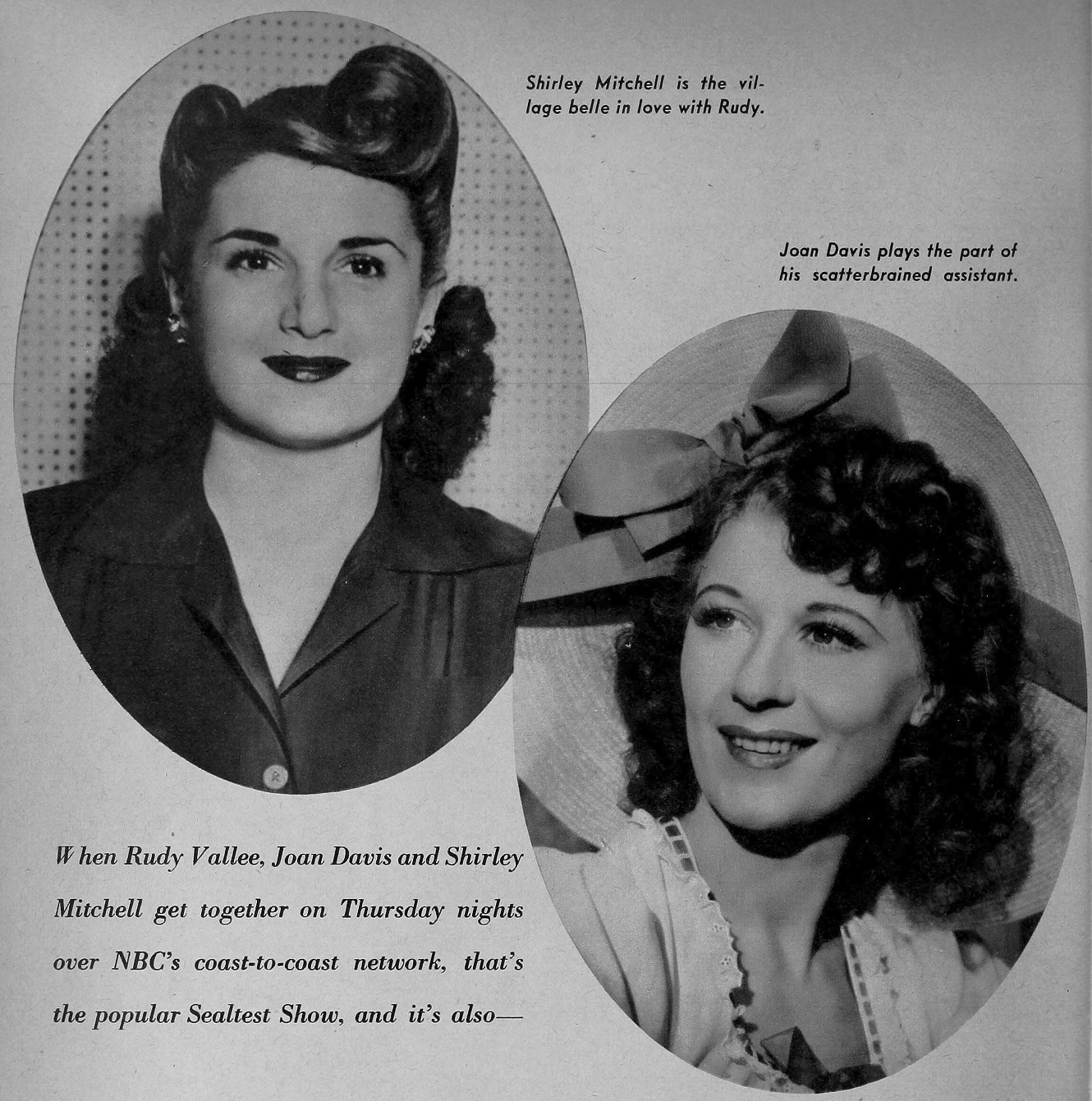
mitchell1Shirley is perhaps best remembered for her comedic performances.  One of her first L.A. gigs was emoting on The Sealtest Village Store, and her friendship with star Joan Davis would later allow her to appear in regular roles on the comedienne’s follow-up programs like Joan Davis Time (a.k.a. Joanie’s Tea Room) and Leave It to Joan.  Mitchell was also hired to work on Fibber McGee & Molly, playing the part of man-crazy war worker Alice Darling—a character created by head writer Don Quinn when several of the male regulars like Gale Gordon and Bill Thompson left to fulfill their military obligations during World War II.  (The Alice character was phased out once Gordon and Thompson were able to return to the show.)  Other situation comedies that regularly featured Shirley’s talents include Amos ‘n’ Andy, My Little Margie and Young Love.  In addition, she worked alongside talents like Jack Benny, Bob Burns, Red Skelton, Danny Kaye, Bud Abbott & Lou Costello and George Burns & Gracie Allen.
mitchell7But if you were to quiz a random old-time radio fan and ask what role Shirley made most famous, we’re confident that the unanimous answer would be “Leila Ransom.”  Mitchell played the flirtatious Southern belle (who hailed from my old stomping grounds of Savannah, Georgia) on The Great Gildersleeve, where she was one of the water commissioner’s (Harold Peary, Willard Waterman) many romantic conquests.  In fact, Leila came close to getting “Thrawk-mahhhhtin” to commit to a state of happily-ever-after, most famously during the 1942-43 season.  Leila came and went in Gildy’s life, often vying with her cousin Adeline Fairchild (played by Una Merkel) for the Great Man’s romantic attention; Shirley played the part to perfection, adding an extra syllable or two to Gildersleeve’s first name with her impeccable Southern drawl.  (Mitchell also used the Southern accent for a character that appeared occasionally on William Bendix’s The Life of Riley, another belle from Dixie who answered to “Louella Lounsberry”…not to mention “Florabelle Breckenridge” on former Gildersleeve actor Hal Peary’s Honest Harold.)

mitchell3Although Shirley continued with a plethora of radio work, she began to branch out to other mediums by the 1950s.  She had small roles in movies like The Clown (1953) and Desk Set (1957), and in addition to her I Love Lucy appearances made the rounds on I Married Joan, Leave it to Beaver, The Real McCoys and The Adventures of Ozzie & Harriet.  She played Kitty Devereaux, the secretary to John Forsythe’s Bachelor Father for a brief period of time, and was also a semi-regular on Pete and Gladys (as Gladys’ pal Janet Colton), the spin-off from December Bride.  Mitchell also appeared a few times on Please Don’t Eat the Daisies, and was brought in (as cousin Mae Belle Jennings) on Petticoat Junction as a possible replacement for star Bea Benaderet when Bea had health issues (the Junction people went with June Lockhart’s Dr. Janet Craig instead).  Perry Mason, The Beverly Hillbillies, Green Acres and The Dick Van Dyke Show are just a few of the popular television programs on which Shirley guest starred.  She also went back to her radio days in lending her voice to cartoon series like The Roman Holidays and several animated specials based on Cathy Guisewhite’s comic strip creation Cathy.

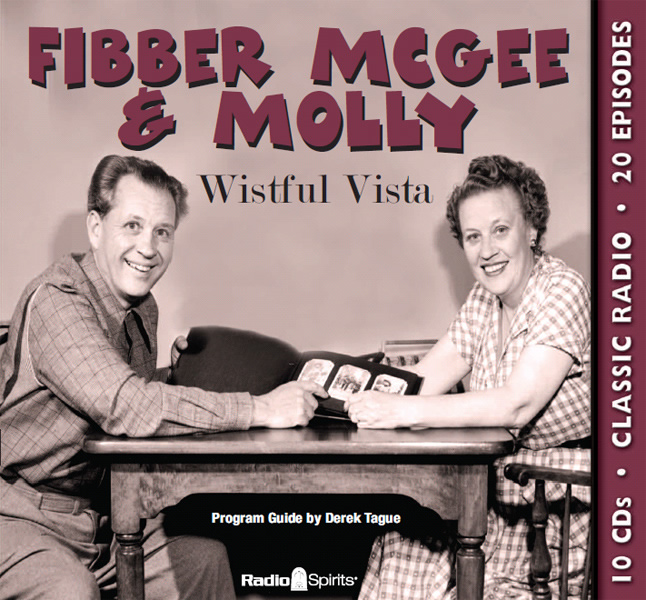
20345Radio Spirits is button-popping proud to be able to offer so much of Shirley Mitchell’s radio legacy on CD collections.  A good place to start would be the Fibber McGee & Molly set Wistful Vista, which features some of her early work on that long-running program, including the first appearance of Alice Darling.  Shirley can also be heard on two of our Great Gildersleeve compilations, Baby and Neighbors.  Other programs that feature the birthday girl include The Jack Benny Program (Wit Under the Weather, Be Our Guest), Amos ‘n’ Andy (Volume Two), Let George Do It (Enter Mr. Valentine), The Red Skelton Show (Stick Around, Brother), The Adventures of the Saint (The Saint is Heard), The Life of Riley (My Head is Made Up!), Fort Laramie (Volumes One and Two) and Yours Truly, Johnny Dollar (Confidential, Murder Matters).  Many happy returns of the day to a living old-time radio legend!

Happy Birthday, Herb Butterfield!

butterfield1

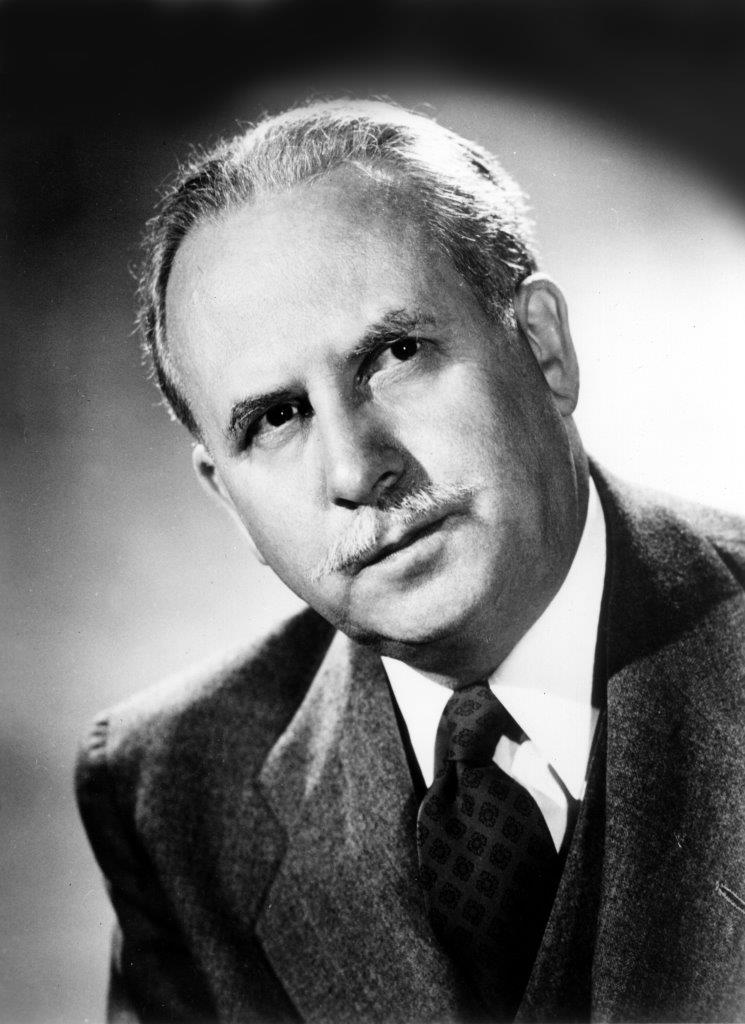
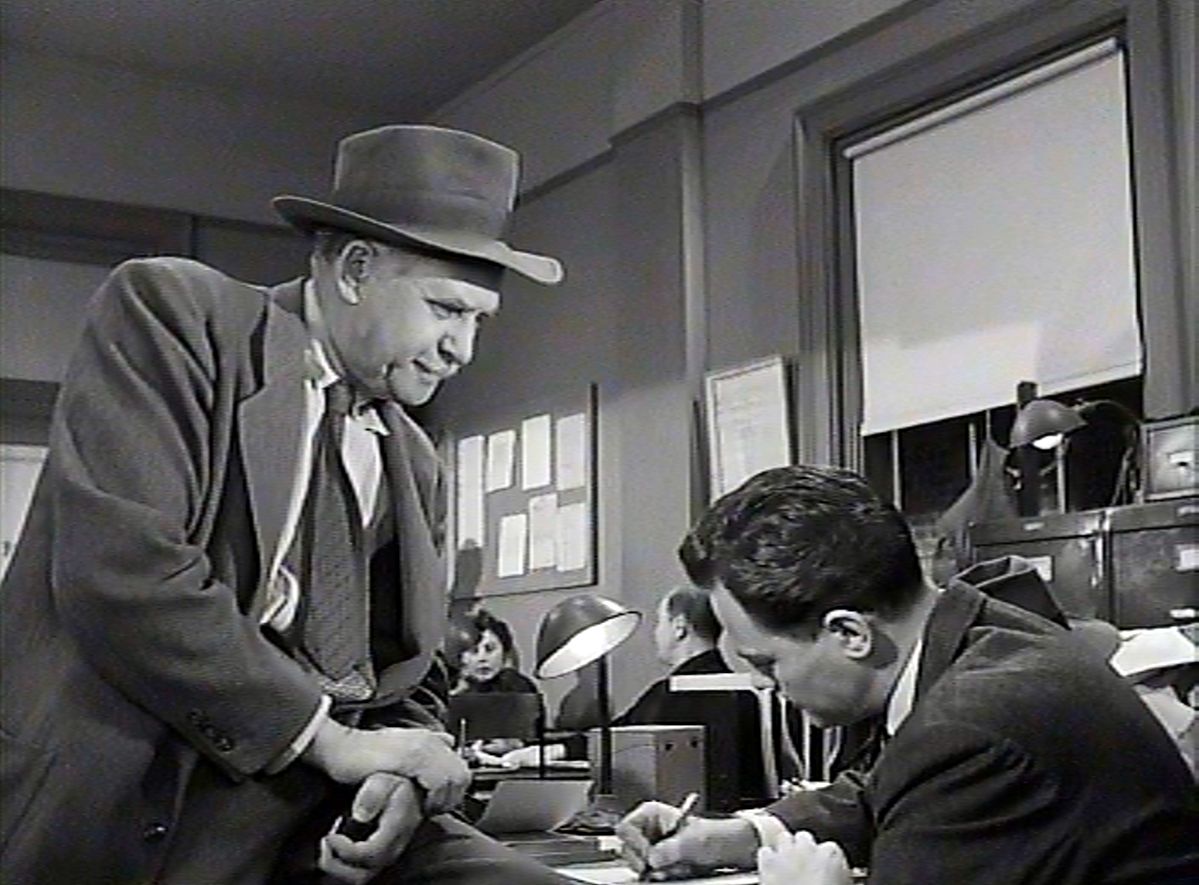
Today’s birthday celebrant—born in Providence, Rhode Island one hundred and eighteen years ago today—may not possess the cachet of other character actors from Radio’s Golden Age, as his resume didn’t extend beyond a handful of feature films and television shows.  But, Herbert Butterfield had a distinctive voice that is easily recognized by old-time radio fans; he made appearances on shows featuring Jack Webb (Dragnet, Pat Novak for Hire) and landed high profile roles on series as disparate as Dangerous Assignment and The Halls of Ivy.

butterfield3Herb’s early radio jobs came about in various East Coast melodramas and daytime serials during the mid-1920’s, when the medium was in its infancy.  By the 1930’s, Butterfield had established himself as a reliable radio performer, with regular showcases on Chicago-based programs like Jack Armstrong, Kitty Keene, Inc. and Wayside Theatre—he even branched out into directing such broadcasts as The Story of Mary Marlin.  The actor then relocated to California in the 1940s, where he found continuing work on programs such as Suspense, Author’s Playhouse, Lights Out, The Whistler, The Lux Radio Theatre, Escape and Favorite Story.  He emoted opposite Lawrence Dobkin on ABC’s Ellery Queen in the 1947-48 season, playing Pop (Inspector Queen) to Larry’s sleuth.

butterfield4As previously noted, Herb was good friends with radio auteur Jack Webb; he had small roles on Webb’s short-lived Johnny Modero, Pier 23 and was the first actor to play Anthony J. Lyon, boss of Jeff Regan, Investigator (Jack played the titular gumshoe).  Herb’s range—he could either play a world-weary detective or grizzled tough—got him work on other popular crime dramas at that time, including Broadway’s My Beat, The Lineup, Let George Do It and Yours Truly, Johnny Dollar.  Butterfield made multiple appearances on prestigious programs like Mr. President, Crime Classics, On Stage and The CBS Radio Workshop, and displayed a flair for comedy on the likes of The Great Gildersleeve, Fibber McGee & Molly, That’s Rich and The Phil Harris-Alice Faye Show.

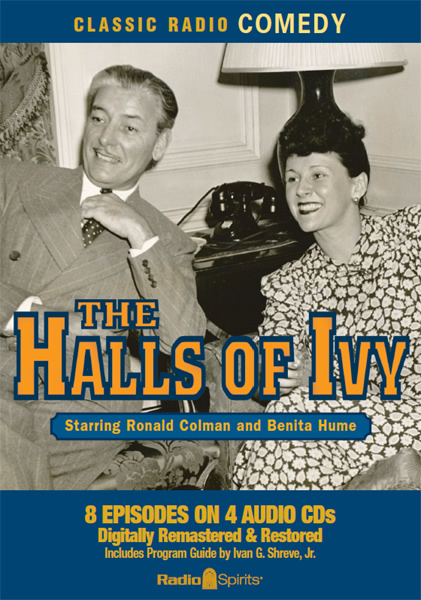
butterfield2One of Herb’s best known radio roles was on one of the medium’s fondly remembered sitcoms.  On The Halls of Ivy, Butterfield played the irascible Clarence Wellman, a board member at the college where William Todhunter “Toddy” Hall (Ronald Colman) was president.  At the same time, Herb was a regular on Dangerous Assignment—a vehicle for actor Brian Donlevy that featured him as special agent Steve Mitchell, globetrotting to various hot spots in order to encounter adventure and intrigue.  Butterfield played “the Commissioner,” Mitchell’s superior who was in charge of handing out his (dangerous) assignments; he didn’t have a first or last name on the show but he did make the transition to the TV version in 1952.  (Butterfield also reprised his Clarence Wellman character on Ivy when it briefly appeared on the boob tube for a season in the fall of 1954.)

butterfield5Other TV shows on which Herb guested included Father Knows Best, Dragnet, The Millionaire, Lassie and You are There.  Sharp-eyed movie buffs will be able to spot him in features such as Never Fear, The House on Telegraph Hill, Shield for Murder and The Ten Commandments.  His career was cut short in 1959 when he passed away at the age of 64, with his last TV appearance—an episode of Colgate Theatre (“Welcome to Washington,” with Claudette Colbert)—in September of 1958.

19871Radio Spirits holds Herb Butterfield in high esteem, and as such we keep much of his work on hand for collectors and listeners today.  For starters, there are two sets of broadcasts from The Halls of Ivy available here and here (with liner notes by yours truly!).  There’s also Suspense (Around the World, Tales Well Calculated, Omnibus), The Phil Harris-Alice Faye Show (Quite an Affair, Family Values), The Adventures of Philip Marlowe, The Whistler (Impulse, Notes on Murder), Police and Thieves: Crime Radio Drama, Let George Do It (Enter Mr. Valentine), Jeff Regan, Investigator, Escape (High Adventure, Escape to the High Seas), Night Beat (Nightside is Different), Richard Diamond, Private Detective (Mayhem is My Business), The New Adventures of Nero Wolfe (Parties for Death), Broadway’s My Beat (Murder, Great White Way), Crime Classics and Yours Truly, Johnny Dollar (Confidential).  Check out some classic television work with Herb on Dangerous Assignment, too!

“Get me that man with the flat voice!”

allen'salley1

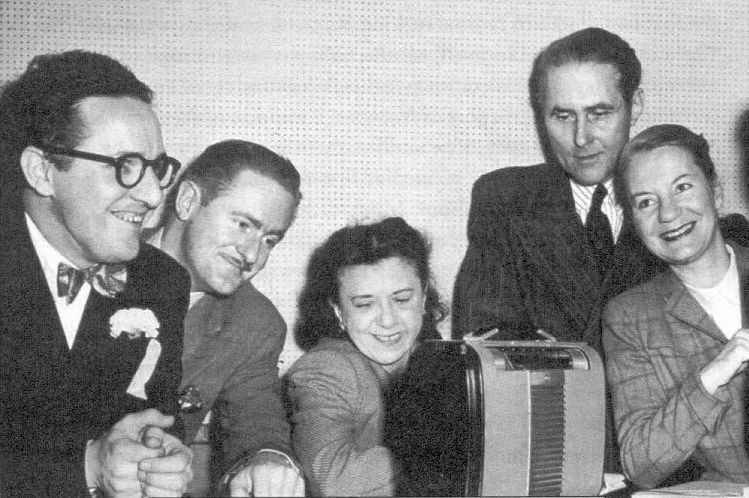
Comedian Fred Allen had worked himself up through the vaudeville ranks (he started out as “The World’s Worst Juggler” before realizing his talents lie in comedy) to Broadway productions like The Little Show and Three’s a Crowd.   Having wet his finger, raised it to the winds, and realized that vaudeville was not long for this world, Allen decided that the new medium of radio was where he needed to be.  So, with his wife Portland Hoffa (whom he had met during his ten-week engagement in The Passing Show of 1922), he premiered his first program eighty-one years ago on this date with The Linit Bath Club Revue.

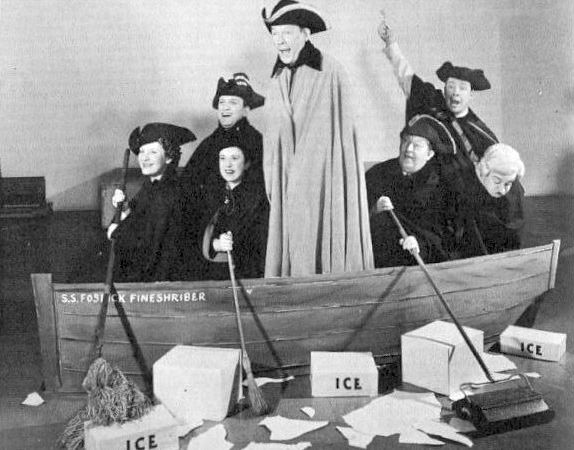
fredallenshow1The Linit people paid Allen $1,000 a week to produce the show, and he was expected to pay the costs of hiring a cast, orchestra and writers.  Fred attempted to tackle that last job himself, but soon learned that radio was voracious when it came to material, and he simply wouldn’t be able to supply it by his lonesome.  So, he hired his old friend Harry Tugend as one of his first scribes.  Together, Fred and Harry crafted a new type of radio humor—a cerebral, sophisticated sort of folksy wit that eschewed the verbal (and visual) slapstick present on the programs of his rivals like Eddie Cantor and Ed Wynn.  Though The Linit Bath Club Revue lasted only six months on CBS, Allen was courted by NBC and Hellman’s Mayonnaise.  Beginning in August of 1933, The Salad Bowl Revue was heard on Fridays.  That arrangement lasted until December (only because the sponsor’s product was chiefly promoted during the warmer months), and Fred’s program acquired the sponsorship of Bristol Myers in January of 1934—thus it was retitled The Sal Hepatica Revue.  The show’s expansion to a full hour in March prompted it to be renamed Hour of Smiles before acquiring its best remembered title: Town Hall Tonight.

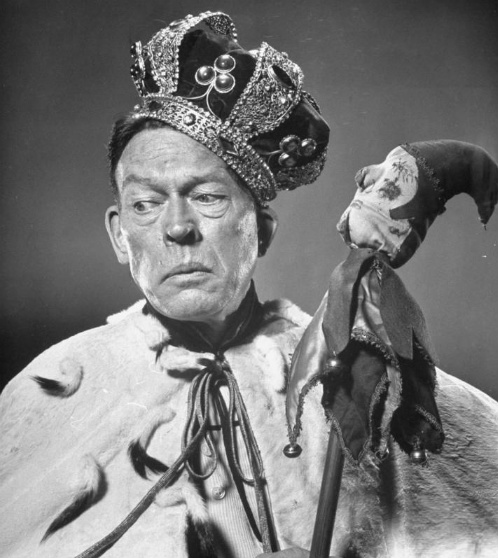
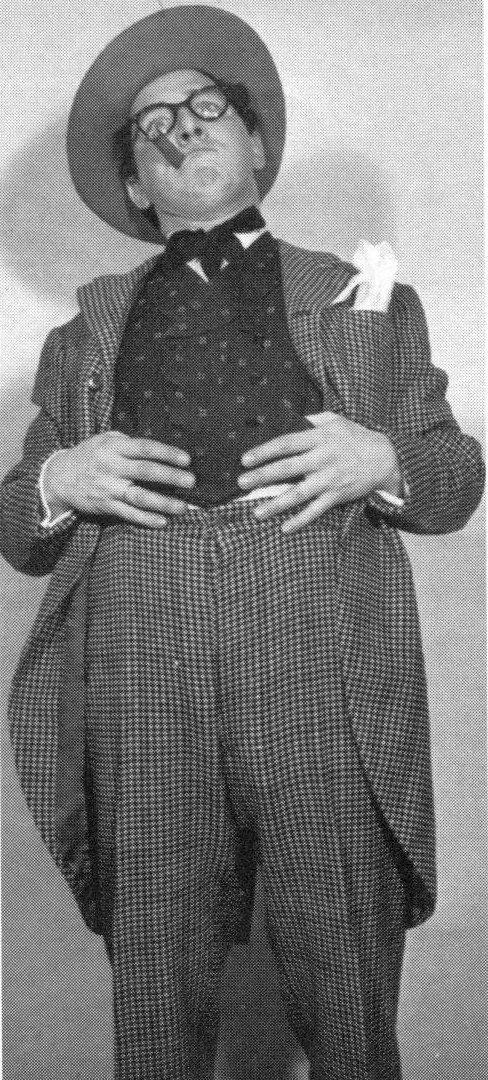
FredAllenJesterSome Allen scholars consider Town Hall Tonight to be the comedian’s finest radio program; a weekly ribbing of small-town life that often focused on offbeat, human-interest news stories (dubbed “the Town Hall Bulletin” and “Town Hall News”) which allowed Fred to offer satirical insights on topical issues.  The show featured a talent show portion (at the insistence of the sponsor) that was a forerunner of radio’s Original Amateur Hour.  There was also a segment entitled “People You Didn’t Expect to Meet,” which allowed Fred to interview individuals with unusual occupations.  Many of the broadcasts would close with a comedy sketch featuring “the Mighty Allen Art Players”—an acting troupe name later liberated by Johnny Carson when he created his “Mighty Carson Art Players.”

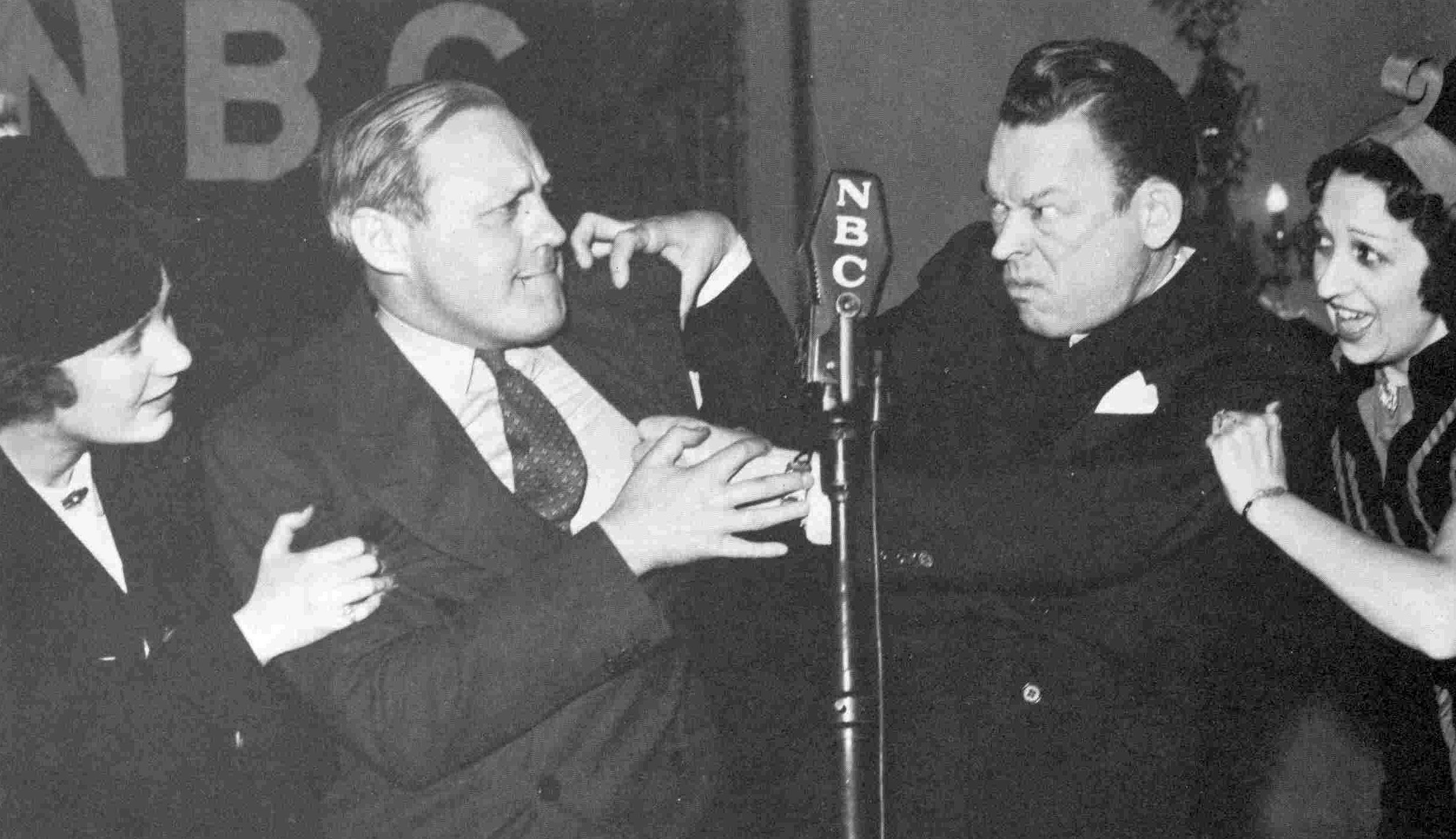
bennyvsallen1Town Hall Tonight changed its name in the fall of 1939 to The Fred Allen Show—something the comedian wasn’t particularly crazy about, but it’s possible that his sponsor wanted to capitalize on the star’s success.  The show had performed moderately well in the ratings over the years, but it really took off when Fred decided—in his words—to “hitch his gaggin’ to a star.”  Fred had been friends with Jack Benny since the two men had crossed paths in vaudeville, and on a December 1936 Town Hall broadcast, Allen made some humorous remarks about his friend’s musical prowess after a ten-year-old prodigy named Stuart Canin had finished playing Schubert’s The Bee on the program, intimating that Benny should be ashamed of himself.  Jack, who made it a habit to listen to Fred’s program, thought the comments were hilarious and he issued a rejoinder to his friend on his next broadcast.  From that moment on, the cutting remarks and insults flew fast and furious between the two comedians, escalating into a “feud” that culminated in a famous “fight of the century” appearance on Jack’s program on March 14, 1937.  Though that program was the “official” end of the feud, both Allen and Benny continued to direct quips at one another on their programs for years afterward, and their guest appearances on each other’s shows were always a delight for radio audiences.

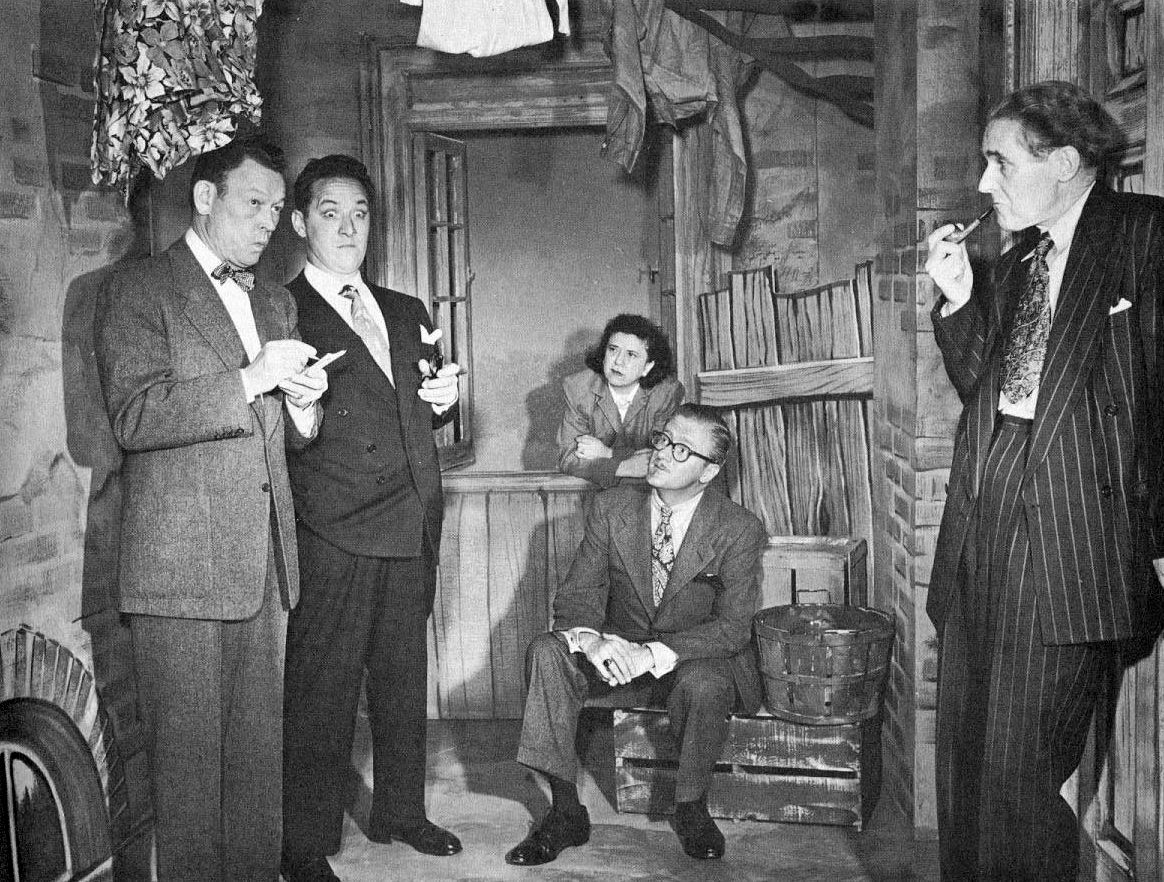
fredallenshow4By the 1940s, Fred had a new sponsor in Texaco, and his program was now known as The Texaco Star Theater. It was an hour-long show on CBS from 1940-42, but was whittled down to a half-hour in the fall of 1942.  It was on that half-hour program that Fred would introduce his most famous weekly segment; beginning in December of 1942, “Allen’s Alley” was open for business.  Each week, Fred made a trip to a mythical neighborhood populated with an unforgettable cast of characters representing ethnic and regional types from the “melting pot” that was America (the comedian was inspired by columnist O.O. McIntyre’s Thoughts While Strolling), beginning with Falstaff Openshaw, a hammy poet played by character actor Alan Reed, who often treated Allen to samples of his verse (composed by Allen himself).  Another Alley denizen was Pansy Nussbaum, a formidable Jewish housewife played by actress Minerva Pious, who had been a regular on Fred’s program almost since its inception.

kennydelmar2The most popular resident wouldn’t debut until 1945 (Allen took a year off from radio in 1944 at his doctor’s suggestion to curb his hypertension, and was back on the air in the fall for Tenderleaf Tea) in the form of Senator Beauregard Claghorn, a windy Southern politician played by Fred’s announcer, Kenny Delmar.  Claghorn, a garrulous sort whose fealty to the South was demonstrated by the fact that his favorite actress was Ann Sothern and that he never listened to radio’s Mr. and Mrs. North, would filibuster at Fred (who essentially became the straight man in their exchanges) and punctuate his insights with “That’s a joke, son!”  (The character of Claghorn, whom Delmar based on a cattle rancher the announcer encountered while hitchhiking one day, was later co-opted by Warner Brothers’ cartoon studio in the form of Foghorn Leghorn.)  Other popular Allen’s Alley residents included taciturn New Englander Titus Moody (played by Parker Fennelly) and feisty Irishman Ajax Cassidy (Peter Donald).

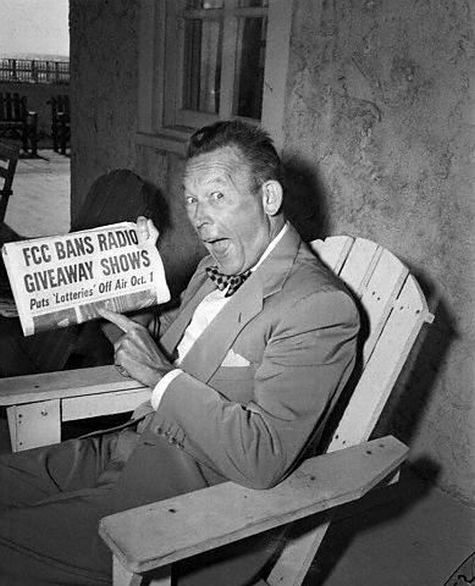
Fred Allen Holding a NewspaperFred’s show was the number one ranked program of the 1947-48 season…but its star had no inkling that The Fred Allen Show’s final year in radio was lying in wait around the corner.  Its downfall would come as a result of being scheduled opposite an ABC quiz program entitled Stop the Music, a popular broadcast on which people across the U.S. were offered the opportunity to win fabulous prizes simply by answering their telephones (should the program call) and providing the correct response to questions.  The success of the show threatened both Fred and Edgar Bergen’s once-popular comedy programs…but while Bergen decided to suspend his series in December of 1948 and simply wait for the fad that was Stop the Music to subside, Allen took on the show with a ferocity that included offering listeners $5,000 if they had been called by Stop the Music while they were tuned into to his show.  Sadly, he got no takers—and while his final season featured some of his best take-no-prisoners satire (mostly directed at giveaway programs, as in his parody “Cease the Melody”) his hypertension once again began to act up…so he rang down the curtain on The Fred Allen Show on June 26, 1949.

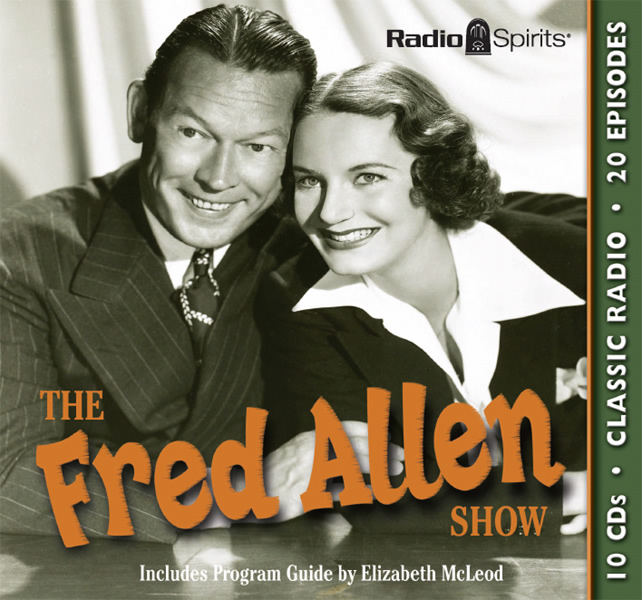
20206On a personal note—I’ve never made any secret of the fact that Fred Allen is and will always remain my favorite of the great old-time radio comedians.  That’s why I’m so pleased that Radio Spirits offers the outstanding collection The Fred Allen Show—a ten-CD compilation of some of Fred’s funniest half-hours from 1942-47 (featuring the first stroll down “Allen’s Alley”) that includes big-name guest stars like Orson Welles, Edgar Bergen & Charlie McCarthy, Bela Lugosi and Boris Karloff.  Also in the Radio Sprits display case is Jack Benny vs. Fred Allen: The Feud…a must-own set that spotlights the start of the classic verbal shenanigans of two beloved comics – with excerpts and full shows from Town Hall Tonight (Fred) and The Jell-O Program (Jack).

That reckless, red-headed Irishman…

michael-shayne-poster

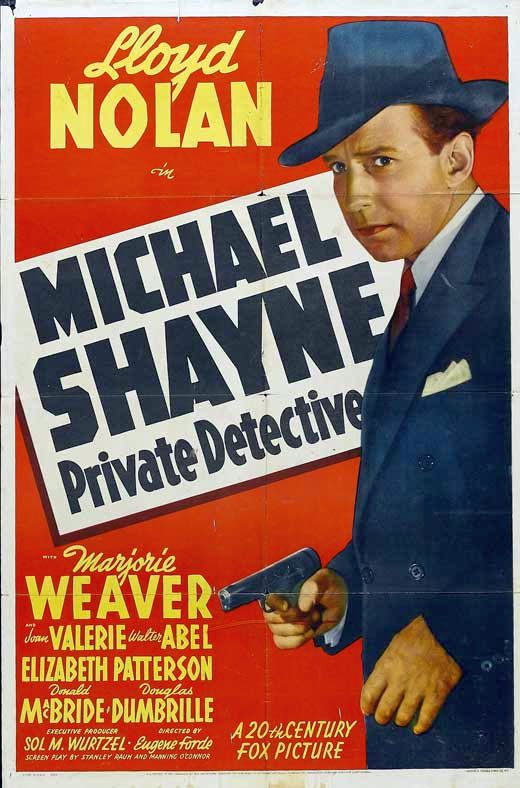
Sixty-nine years ago on this date, Mutual-Don Lee West Coast listeners got their first taste of Brett Halliday’s sleuthing creation in a half-hour detective series appropriately titled Michael Shayne, Private Detective.  The program was durable enough to last until 1953, though it would go by a variety of names (The New Adventures of Michael Shayne, The Adventures of Michael Shayne) and heard in a number of venues (runs on Mutual’s full network, syndication and ABC) before the legendary P.I. closed up shop. 

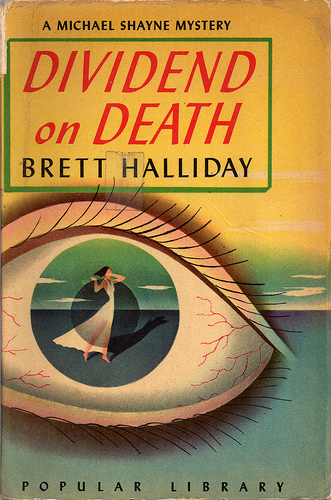
deathAuthor Brett Halliday would seem, at first glance, to have been one of the most prolific writers in the history of pulp fiction…and there is an explanation for this.  “Halliday” was a pseudonym for several authors, including Dennis Lynds (who wrote the Dan Fortune series under the pen name of “Michael Collins”).  The origins of Michael Shayne can be found in a 1939 novel, Dividend on Death, written by Davis Dresser (as Halliday).  Dresser went on to pen fifty Michael Shayne novels (with a few of those ghostwritten by others).  According to legend, Shayne was based on an American that Dresser had encountered during a bar fight in Tampico, Mexico when he was working as a deckhand on an oil tanker.  All in all, the sleuth known as Shayne would appear in a total of 77 books and 300 short stories…not to mention a dozen motion pictures and a smattering of comic book appearances.

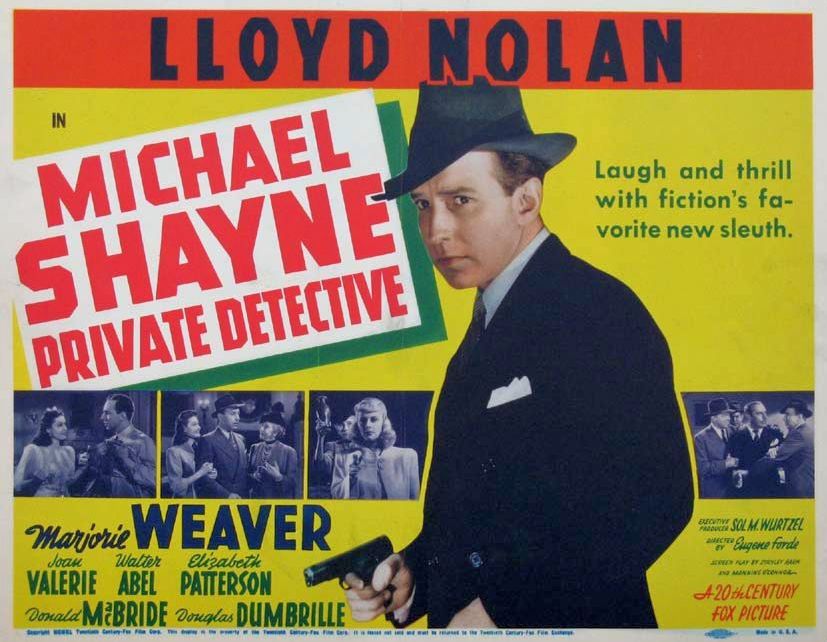
MichaelShaynePrivateDetectiveThe introduction of the gumshoe to the silver screen in 1940 with Michael Shayne: Private Detective also played a significant role in the construction of the radio show in 1944.  On the big screen, Shayne was played by character great Lloyd Nolan—who would grace seven B-films as the detective for 20th Century Fox; the first five of these programmers have been released to DVD (one stand-alone disc, Dressed to Kill, and the other four comprising the box set Michael Shayne Mysteries: Volume 1).  The character would later be the subject of five B-flicks cranked out by Producers Releasing Corporation (better known as PRC) between 1946 and 1947, and would star future Leave it to Beaver dad Hugh Beaumont as the hard-boiled shamus

Radio-Life-45-08-19-Michael-Shayne-Storyboard-02Sources say that of all the performers to play his creation, Dresser preferred Wally Maher—the actor who took on the role of Michael Shayne when the radio series debuted on October 16, 1944 over KHJ.  With a cast that included radio veterans Cathy Lewis (as his blonde bombshell girlfriend Phyllis “Phyl” Knight) and Joe Forte (as Lieutenant Farraday), Michael Shayne, Private Detective fleshed out the investigator a great deal more than the pulp novels.  (The participation of Brett Halliday/Davis Dresser, however, was more or less limited to picking up his royalty check.)  Listening to surviving transcriptions, a listener might detect a similarity between Maher’s portrayal of Shayne and his later appearances on Let George Do It as Lieutenant Riley.  Michael Shayne also echoed the later Yours Truly, Johnny Dollar in that the detective often functioned as the narrator of his adventures, filling in details in order to lure the listening audience into the story.

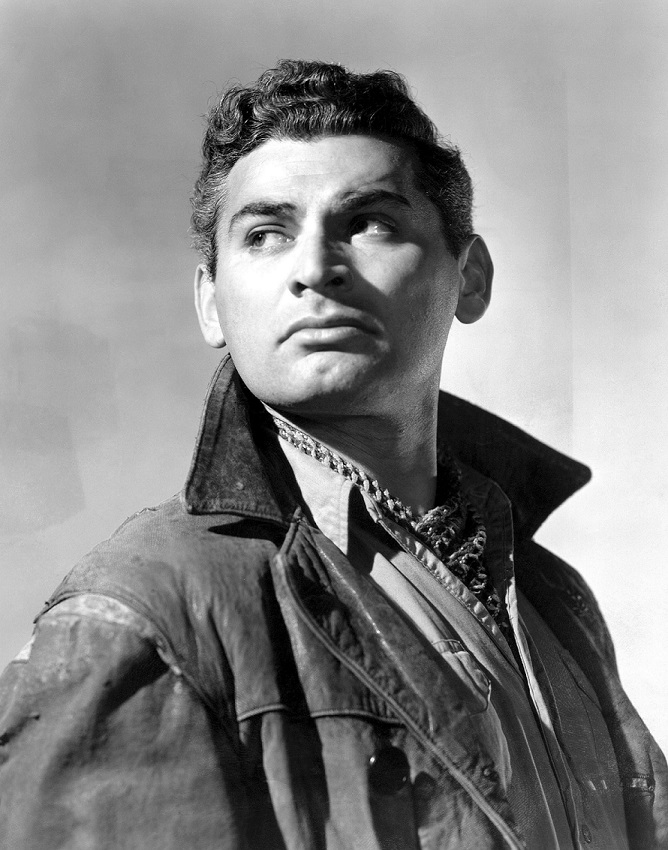
chandlerThis first incarnation of Shayne left the airwaves in November of 1947, but by July 1948 he was back on the air in a syndicated series entitled The New Adventures of Michael Shayne.  Actor Jeff Chandler took on the role of the P.I., who had relocated to New Orleans from his original Miami stomping grounds…and operated without the help of girlfriend Phyl or any other sidekicks.  (In the novels, Phyllis was married to Michael for a short time before being killed off in 1943’s Blood on the Black Market.)  The program, directed by William P. Rousseau, bore a slight resemblance to the Jack Webb productions Pat Novak for Hire and Johnny Madero, Pier 23Webb even appeared in some of the episodes, along with William Conrad, Raymond Burr and Tudor Owen—and was considerably more “ramped up” than the previous Maher version.  Chandler’s Shayne would prove to have more staying power than all of the others, owing to its recorded transcription status; it was widely distributed to other countries (Canada, Jamaica, etc.) and heard over AFTRS in the late 1960s.

Vinton-Hayworth-5ABC Radio resurrected the private investigator for one last go-round in October of 1952 with The Adventures of Michael Shayne.  Donald Curtis was Shayne for a handful of broadcasts, and then the role was handed off to Robert Sterling, the future co-star of the TV sitcom Topper.  In January 1953, the network hired another radio veteran, Vinton Hayworth (later to appear on I Dream of Jeannie), to emote as Shayne every week—a job that ended on July 10, 1953 after thirty-nine episodes (twenty-five with Hayworth).  The notable development in ABC’s version was that Michael Shayne returned to his familiar Miami, Florida environs…and he had a new girlfriend in this one, one Lucy Hamilton (played by Dorothy Donahue).

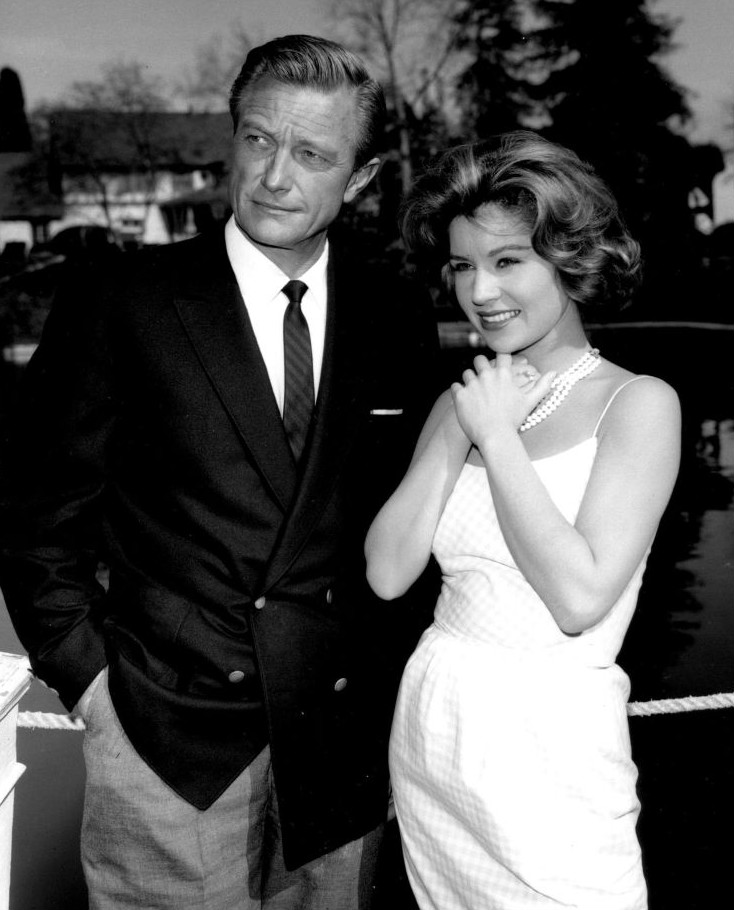
denningThere would be one more sighting of Michael Shayne before he decided to return to the publishing arena.  NBC brought the red-headed shamus to TV in the fall of 1960 in a series starring Richard Denning, formerly of My Favorite Husband and Mr. and Mrs. North.  Several of the episodes were penned by future Columbo creators William Link and Richard Levinson (who were also responsible for Mannix and Murder, She Wrote) and the program starred Patricia Donahue as Lucy (Donahue was later replaced by Margie Regan), Gary Clarke, Jerry Paris and Herb Rudley.  It would run only one season (it had fierce competition from The Twilight Zone and The Detectives with Robert Taylor); after which Michael Shayne continued on in novels, a brief comic book series and a popular monthly magazine (Michael Shayne Mystery Magazine) that began in 1956, ceasing publication in 1985.

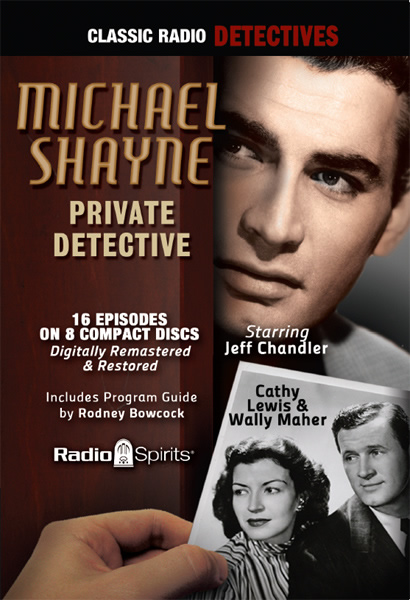
20444Radio Spirits can make the necessary introductions to the radio version of the Halliday/Dresser creation with its collection Michael Shayne, Private Detective.  The eight-CD set contains sixteen broadcasts, four from the Wally Maher incarnation and the remaining episodes featuring the man who would later portray “the bashful biologist,” Phillip Boynton, on Our Miss Brooks (we’re referring to Jeff Chandler, of course).  Jam-packed with action, excitement and adventure, it’s radio crime drama at its very best.

“The first man they look for, and the last they want to meet…”

conrad17

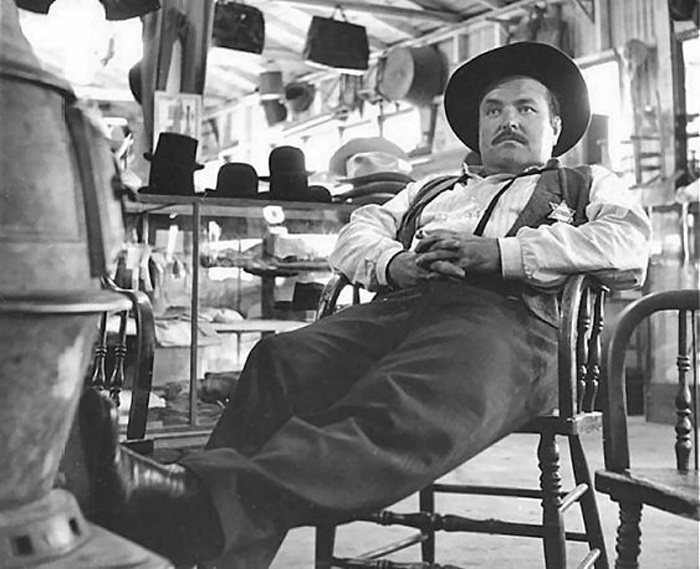
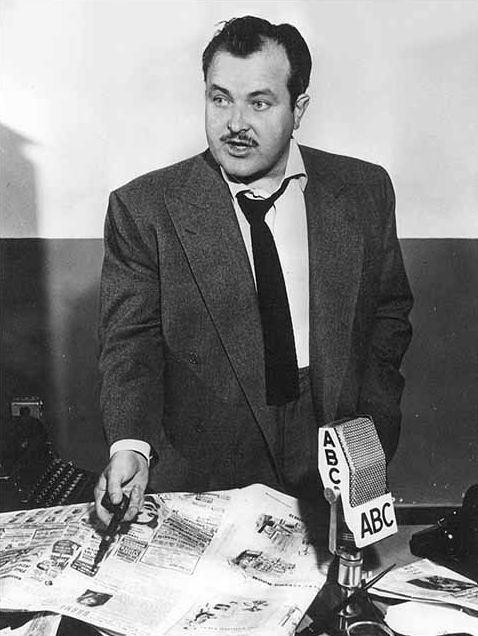
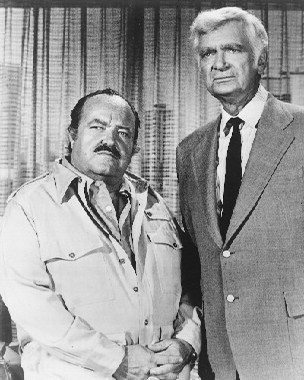
John William Cahn, Jr. was born on this date ninety-three years ago today in Lexington, Kentucky.  He’s better known by his stage name, William Conrad.  He remains a favorite among old-time radio fans for his incredible voice, a commanding rumble which would no doubt rattle the roof of any studio he happened to be in had he chosen to unleash it at full force.  Bill once estimated that he played 7,500 parts during his distinguished radio career—with a wonderful sense of self-deprecation, he often joked that he was “The Man of a Thousand Voice.”

conrad8As a youngster, I knew Conrad from the television crime drama Cannon, which was a favorite of my mother’s.  The title of the show was the surname of its rotund hero (first name: Frank), an ex-cop turned private investigator who obviously had not missed too many meals in his lifetime.  The portly Cannon was mostly a gimmick to attract jaded television viewers; most of the boob tube detectives were that way—young (The Mod Squad), blind (Longstreet), wheelchair-bound (Ironside), elderly (Barnaby Jones)…you get the idea.

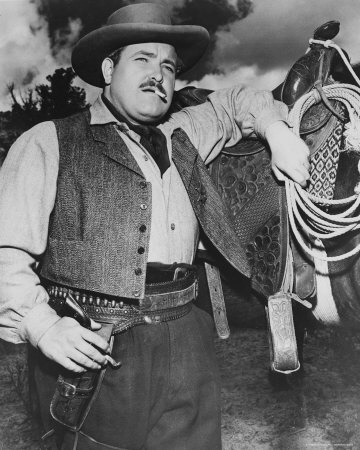
conrad15But during my brief stint at Marshall University in the early 1980s, I had the good fortune to check out some old-time radio programs from the college library; one set featured a number of western shows, with the emphasis on the greatest radio oater of them all: Gunsmoke.  That’s when heard William Conrad in his signature radio role: Matt Dillon, U.S. marshal from “around Dodge City and into territory on west.”  I had a passing awareness that Gunsmoke had started on radio, and the TV series was a longtime favorite in the Shreve household…but, nothing prepared me for the mesmerizing power of Conrad in the radio version.  It’s still the definitive way to experience Gunsmoke.  Don’t get me wrong, I love the TV version, but it just can’t match up against the original.  I’ve always admired what Gunsmoke sound man Bill James once said about the difference between the two versions: “Even after all these years I have never been able to watch even one episode of the TV version. To me, those performers are nothing but imposters.”

conrad1Oddly enough, Conrad was not the first actor called on to audition for the role of Matt Dillon.  Writer John Meston was solidly in his corner, but both producer-director Norm Macdonnell and CBS Radio thought the actor was a little overexposed.  It’s not hard to suss out why.  After majoring in drama and literature at Fullerton College (near Los Angeles), Bill had landed a job at KMPC as an announcer, writer and director—he both acted in and produced a series called The Hermit’s Cave, a West Coast version of a popular syndicated horror anthology with roots at WJR in Detroit.  Called up for service during World War II, Conrad was a producer-director with the Armed Forces Radio Service in addition to being a fighter pilot.  Upon his return, he made the rounds on many classic radio series: The Adventures of Sam Spade, Favorite Story, The Lux Radio Theatre, The Man Called X, Night Beat, On Stage, Pete Kelly’s Blues, Romance, Suspense, The Voyage of the Scarlet Queen and The Whistler—and that’s barely scratching the surface.  Bill was also well known as one of two rotating announcers (the other being Paul Frees) on the 1947-54 adventure anthology Escape.  If you turned on a radio back then and didn’t hear William Conrad…chances are it needed to be taken in for repairs.

conrad7After auditioning with just a few read lines, Conrad was tabbed to play Gunsmoke’s Dillon.  Writer Meston would later observe that the Dillon character—a lonely, isolated man—was magnificently fleshed out by the actor: “Much of Matt Dillon’s character grew out of Bill Conrad.”  And yet the man who defined Matt Dillon on radio was completely shut out of the running when discussions turned to bringing the radio hit to TV.  The actor’s size worked against him—the network was convinced that the public wouldn’t accept Conrad as the U.S. marshal, despite history suggesting that most lawmen were, indeed, built like Bill.  Conrad and the other radio performers—Parley Baer, Georgia Ellis and Howard McNear—were given token auditions, but the network had other plans for the casting.  The integrity of the TV version was only sustained by the fact that they at least had the good sense to keep John Meston on as head of the writing staff.

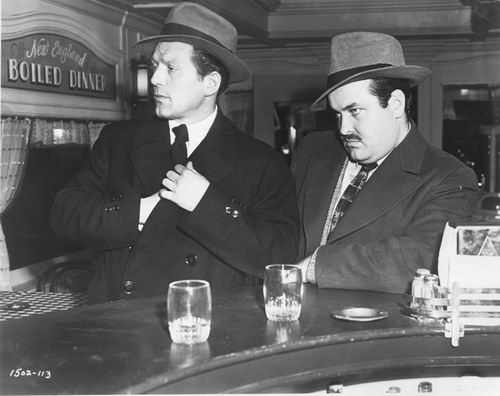
conrad14William Conrad might have been denied the opportunity to play Matt Dillon—something that rankled the actor for years afterward and strained his relations with CBS before he got the Cannon gig—however, the silver screen was an entirely different ballgame.  The movies allowed a man of Bill’s girth to play first-rate (you’ll pardon the pun) heavies.  His first credited role, as one of the two titular hit men (Charles McGraw being the other) in 1946’s The Killers, is also one of his most memorable—at least around Rancho Yesteryear.  (Conrad’s line “They eat the dinner…they all come here and eat the big dinner” is predictably repeated around Thanksgiving.)  Bill was perfect for film noir: he had roles in Body and Soul (1947), Sorry, Wrong Number (1948), Tension (1949), Cry Danger (1951), The Racket (1951), The Long Wait (1954) and 5 Against the House (1955).  There are two Conrad movies worth noting for radio fans. The first is The Naked Jungle (1954), based on the Carl Stephenson story Leinengen vs. the Ants,  so memorably produced on both Escape and Suspense (sadly, Bill doesn’t get to play the title role—he’s the Commissioner in the movie version).  And, for those curious about what Conrad would have been like as Matt Dillon on screen, I recommend The Ride Back (1957), which features Bill as a lawman assigned to escort prisoner Anthony Quinn back for trial (with a screenplay penned by radio veteran Antony Ellis).

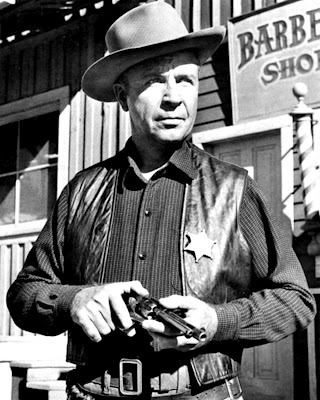
conrad13Bill Conrad developed an interest working on the other side of the camera and, as a director-producer supervised episodes of such series as Tombstone Territory, Bat Masterson, Naked City and Have Gun – Will Travel.  He also exercised his auteur ambitions on three films released by Warner Brothers in 1965 (and, like Alfred Hitchcock, had cameos in them): Two on a Guillotine, My Blood Runs Cold and Brainstorm.  Conrad, however, was a performer at heart…and his magnificent voice was perfect for narrating television shows.  His best known voice over work was for Rocky and His Friends (later The Bullwinkle Show) and The Fugitive, but he could also be heard on This Man Dawson, The Invaders and Buck Rogers in the 25th Century.  His five-year-run as Frank Cannon on the detective TV series proved quite successful (with the first three seasons available on DVD), though an attempt to play Nero Wolfe (the corpulent sleuthing creation of Rex Stout) lasted only a season in 1981.  Conrad rebounded six years later as prosecutor J.L. (Jason Lochinvar) McCabe, the “Fatman” of Jake and the Fatman, a CBS legal drama that aired from 1987 to 1992 (its first two seasons are also available on disc).  Conrad passed away of congestive heart failure on February 11, 1994.

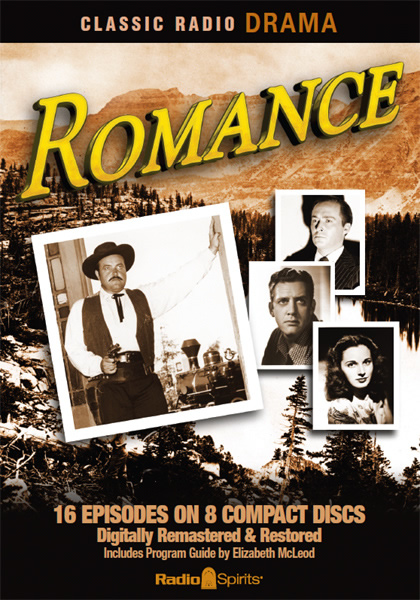
20320Earlier in this tribute, I mentioned that today’s birthday celebrant estimated he had played close to 7,500 roles in his radio career.  Radio Spirits hasn’t catalogued every one of them…but we’ve come mighty close and want to let you know that there’s plenty of William Conrad to enjoy on Escape (Escape to the High Seas, High Adventure).  You’ll also hear those unmistakable tones on The Adventures of Sam Spade, The Adventures of the Saint (The Saint is Heard and The Saint Solves the Case), The Clock, Crime Classics, Family Theater, I Was a Communist for the FBI, Jeff Regan, Investigator, Michael Shayne, Private Detective, Night Beat (Lost Souls and Nightside is Different), Pat Novak for Hire, Police and Thieves: Crime Radio Drama, Richard Diamond, Private Detective (Dead Men, Homicide Made Easy, Mayhem is My Business and Surplus Homicides), Romance (a collection that includes one of the pilots for Gunsmoke, “Pagosa”), Screen Director’s Playhouse, Suspense (Omnibus and Tales Well Calculated), The Voyage of the Scarlet Queen (volumes one and two), The Whistler (Impulse and Notes on Murder) and Yours Truly, Johnny Dollar (The Many Voices of Johnny Dollar and Confidential).  The man’s output was phenomenal!

Happy Birthday, Barbara Britton!

britton9

The actress fondly remembered by classic television and old-time radio fans for portraying the female half of the sleuthing couple known as Mr. and Mrs. North was born ninety-four years ago on this date in Long Beach, California.  Actress Barbara Britton went by Barbara Maureen Brantingham in the early days, attending Polytechnic High School and majoring in speech at Long Beach City College after graduation.  Barbara aspired to become a speech/drama teacher, but became more and more interested in performing…to the point where she left school and began appearing in local stage productions (despite the disapproval of her conservative parents).  Representing Long Beach in a Pasadena Tournament of Roses parade, she was spotted on the front page of a newspaper by a talent agent from Paramount Pictures and signed to a motion picture contract.

britton1In her debut film, a Hopalong Cassidy oater entitled Secrets of the Wasteland (1941), Barbara was billed with her new last name of Britton—Paramount thought “Brantingham” was a little too long for theater marquees.  As a studio ingénue, Britton began to get small roles and bit parts in such films as Louisiana Purchase (1941), The Fleet’s In (1942), Reap the Wild Wind (1942), Wake Island (1942) and So Proudly We Hail! (1943).  Her movie roles, as bright and vivacious as the woman herself, were mostly undistinguished supporting females and second roles, but she did get the opportunity to act alongside stars like Ray Milland (Till We Meet Again), Randolph Scott (Captain Kidd, Gunfighters, Albuquerque), Joel McCrea (The Virginian), Linda Darnell (The Great John L.), Louis Hayward (The Return of Monte Cristo) and Gene Autry (Loaded Pistols).  One of her most memorable turns was as Ronald Colman’s sister in the underrated comedy Champagne for Caesar (1950).

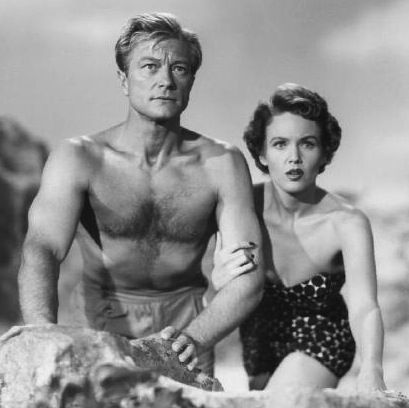
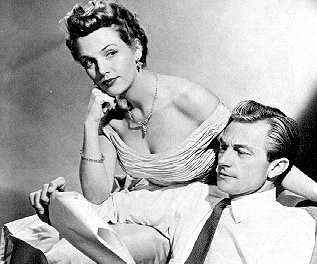
britton14Britton continued her film appearances in the 1950s with vehicles like The Bandit Queen (1950), Bwana Devil (1952) and Ride the Man Down (1952)—her swan song would be 1955’s The Spoilers, opposite Jeff Chandler and Rory Calhoun.  By that point in her career, Barbara was working on stage and in television—and that’s when Mr. and Mrs. North came into view.  Based on the radio program which had premiered over NBC in December of 1942 (which in turn had taken as its source material the series of popular mystery novels written by Francis and Richard Lockridge), Mr. and Mrs. North featured Barbara as Pam North, the wife of publisher Jerry North (Richard Denning), who displayed a knack for solving crimes that for unexplained reasons baffled the police (represented by Lieutenant Bill Weigand, as played by Francis De Sales).  The program was occasionally reminiscent of The Thin Man franchise (though different in that the Norths were strictly crime-fighting amateurs—Nick Charles was a retired detective), and provided a welcome respite from the usual detective dramas that let a lone P.I. do all the work; Pam and Jerry were a team and solved mysteries as a twosome; they would inspire later TV crime dramas such as McMillan and Wife and Hart to Hart.

britton15On radio, Mr. and Mrs. North had moved to CBS in July of 1947 (often advertised as “mystery liberally sprinkled with laughs”) which explains why the TV version was also featured on the Tiffany network, telecast from 1952 to 1954.  But in June of 1953, Barbara and co-star Richard Denning would do double duty as both the radio and TV Norths, taking over for Alice Frost and Joseph Curtin and continuing in the roles over the ether until April of 1955 (the series became a serialized, five-day-a-week program in October of 1954).  Denning was already a radio favorite, having played husband to Lucille Ball on her successful sitcom My Favorite Husband.  Barbara herself had also established a bit of radio cred, with guest appearances on such shows as The Lady Esther Screen Guild Theatre, The Lux Radio Theatre and Family Theatre.

britton8Television’s Mr. and Mrs. North was sponsored by Revlon cosmetics, and the company took advantage of Barbara’s unquestionable loveliness to promote its product both on the series and in live commercials; for twelve years, Britton was the company’s spokeswoman, gracing television ads on such shows as The $64,000 Question (and its sister series, The $64,000 Challenge), Revlon’s Big Party and The Ed Sullivan Show.  Apart from her exposure with Revlon, and an appearance in a sitcom pilot entitled Head of the Family—that couch potatoes worth their salt know was eventually fashioned into The Dick Van Dyke Show—Barbara Britton was content to continue her craft in Broadway productions like Wake Up, Darling, How to Make a Man and Me and Thee.  She had made the decision to focus her efforts on raising a family with her husband, Dr. Eugene Czukor, whom she had met in 1945 while seeking treatment from trauma reportedly suffered during the production of So Proudly We Hail!  In 1979, Barbara briefly returned to TV as Fran Craig Gordon on the daytime drama One Life to Live—sadly, her stint on that series ended with her death from pancreatic cancer on January 17, 1980.

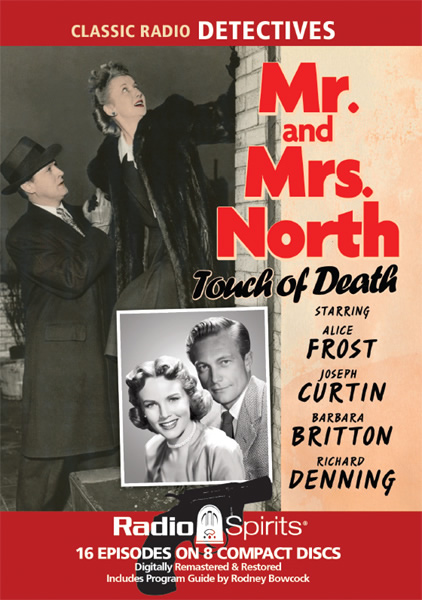
20518Radio Spirits has recently released Touch of Death—a brand-new collection of Mr. and Mrs. North radio broadcasts—many of them previously uncirculated—that not only feature today’s birthday girl and her “spouse” Richard Denning, but the two performers originally identified as Pam and Jerry, Alice Frost and Joseph Curtin.  A previous set, Bet on Death, also features “mystery liberally sprinkled with laughs” from the acting foursome.  We also invite you to check out TV’s Mr. and Mrs. North in these four sets: Volume One, Two, Nine and Ten.