Your Shopping Cart | Your Account Information | Catalog Quick Order | Customer Service | Order Status | Contact Us
RadioSpirits.com

HOMENEW RELEASESBESTSELLERSCLEARANCEBOOKSDVDsMUSICDOWNLOADS

AboutBlogOur Radio Show SEARCH   KEYWORD

Happy Birthday, Gertrude Warner!
warner1

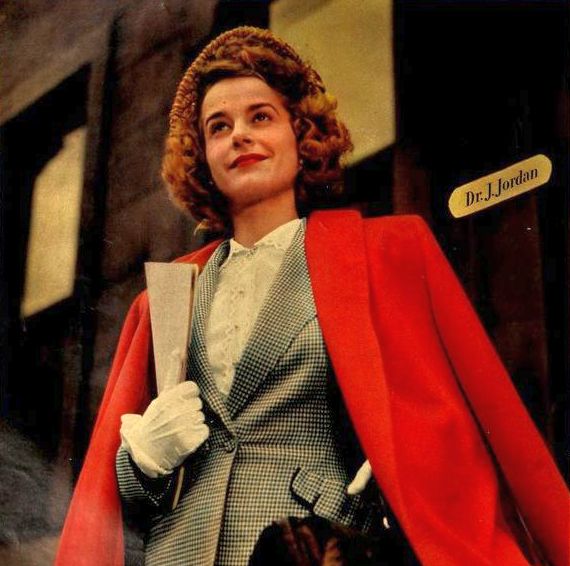
In his invaluable reference book The Great Radio Soap Operas, author Jim Cox opines that Gertrude “Trudy” Warner—born in Hartford, Connecticut on this day in 1917—“may have played the leads or female leads in more dramas than any other actress.”  In fact, Jim wrote an article for Radio Recall in 2006 entitled “Soap Stars: Ethereal Busybodies” that credited Warner with eighteen soap opera roles to allow her a third-place finish in the top five: ahead of Fran Carlon (17) and Raymond Edward Johnson (16), and only slightly behind champ Ethel Owen (22) and runner-up Marvin Miller (20—though on many of those programs he served as the announcer).  In her 1986 obituary, The New York Times noted that in 1945, Trudy kept pretty busy doing live broadcasts of Perry Mason (on which she played Della Street), Big Sister, When a Girl Marries, and This Life is Mine.
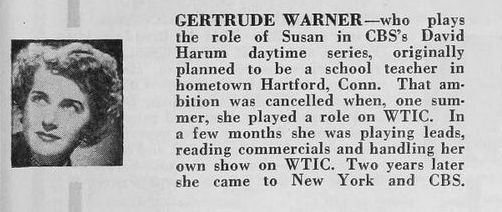
warner4Trudy Warner’s area of expertise, after she graduated from high school and college, was home economics…and she plied this talent on many a local program broadcast over Hartford’s WTIC.  Still, she had aspirations of becoming a dramatic actress (she already had a sideline as a blues singer)—so she journeyed to New York, and not long after found work at NBC Red on the critically acclaimed daytime drama Against the Storm.  A year later, Warner landed the female lead, Rebecca Lane, on Beyond These Valleys when she moved over to CBS.  For a few months in 1941, Trudy acted opposite James Meighan on the prime-time newspaper drama City Desk.
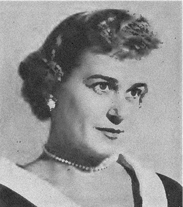
warner2For most of her lengthy radio career, Gertrude Warner was a (daytime) drama queen.  The soap operas on which she appeared include The O’Neills, The Story of Ellen Randolph, The Man I Married, Marriage for Two, Modern Romances, The Mystery Man, Real Stories from Real Life, The Right to Happiness, When a Girl Marries, and Valiant Lady.  As previously mentioned, Warner was one of three actresses to play Gal Friday Della Street on Perry Mason, but she also emoted as Susan Wells on David Harum…and played Tracy, the second wife of Young Doctor Malone.  Gertrude even got the opportunity to practice medicine as the titular doc of Joyce Jordan, M.D.; and when a Lux Radio Theatre adaptation of Mrs. Miniver did well in the Hoopers for CBS in December of 1943, Trudy was drafted to play the part made famous by Oscar-winner Greer Garson in a short-lived radio version the following year.  In the 1950s, she took on the role of Hope Winslow, the narrator of the popular series Whispering Streets.
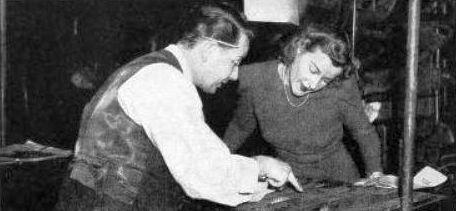
warner3But labeling Gertrude Warner as a “soap opera actress” would do her a tremendous disservice.  She served as the female lead on the Mutual dramatic anthology The Brownstone Theatre, after a previous stint doing similar work on The Matinee Theatre (previously known as Dangerously Yours).  She played Nikki Porter, girlfriend to the shamus who solved weekly mysteries on The Adventures of Ellery Queen.  Trudy’s radio credits also include The Cavalcade of America, The Columbia Workshop, Dimension X, Ethel and Albert, The Fat Man, The MGM Theatre of the Air, Mr. Ace and Jane, Murder by Experts, The Mysterious Traveler, Nick Carter, Master Detective, Secret Missions, Studio One, and Theater of Romance.
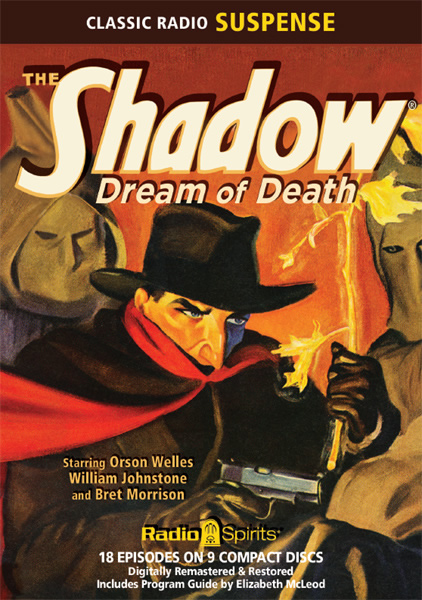
21020Gertrude’s best known radio gig might very well be The Shadow; she was the last actress to play “[Lamont] Cranston’s friend and companion, the lovely Margo Lane” beginning in mid-1949.  Sadly, because many of the Shadow’s adventures were being recorded on magnetic tape at that time and then erased to use the tape over and over again, not many of Warner’s broadcasts remain for new generations to hear.  Because radio kept the actress busy, Trudy expressed little to no interest in silver or small screen work save for the occasional commercial and a brief stint as Claire English Lowell Cassen Shea on the CBS-TV soap As the World Turns (back to her roots!).  This didn’t dissuade her, however, from teaching television acting in later years at Weist Barron studios and at Oberlin College.  Warner remained a die-hard radio thespian, working on such shows as Suspense, Theatre Five, and Yours Truly, Johnny Dollar until they trotted off the stage, one by one, in Radio’s Golden Age.  Gertrude Warner left this world for a better one in 1986.

One of Gertrude Warner’s surviving Shadow broadcasts, “Preview of Terror” (06/05/49), is available on Radio Spirits’ collection Dream of Death, and you can also enjoy listening to Trudy on The Mysterious Traveler: Dark Destiny, Suspense: Final Curtain, and Yours Truly, Johnny Dollar: Mysterious Matters.  Happiest of birthdays to one of the busiest actresses who ever stood before a microphone!
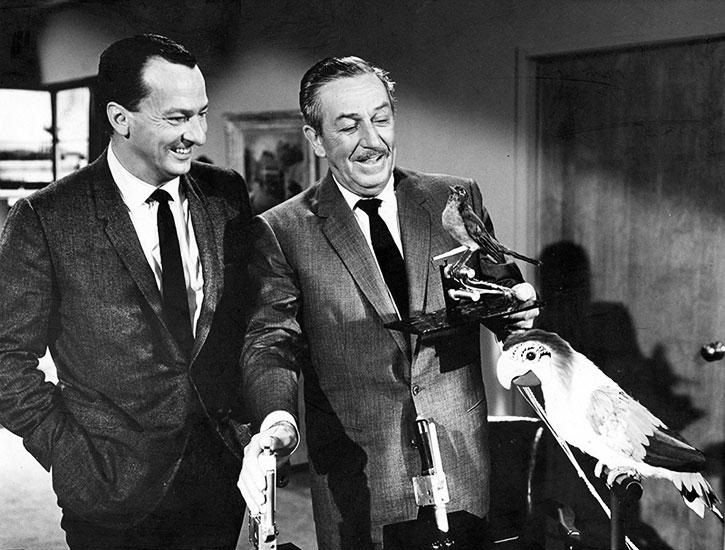
Happy Birthday, Fletcher Markle!
markle1

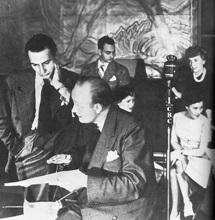
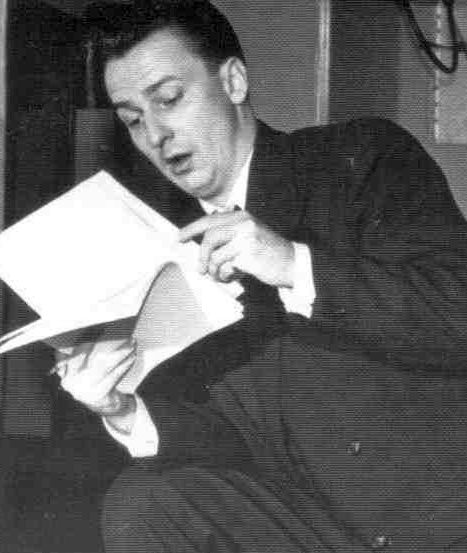
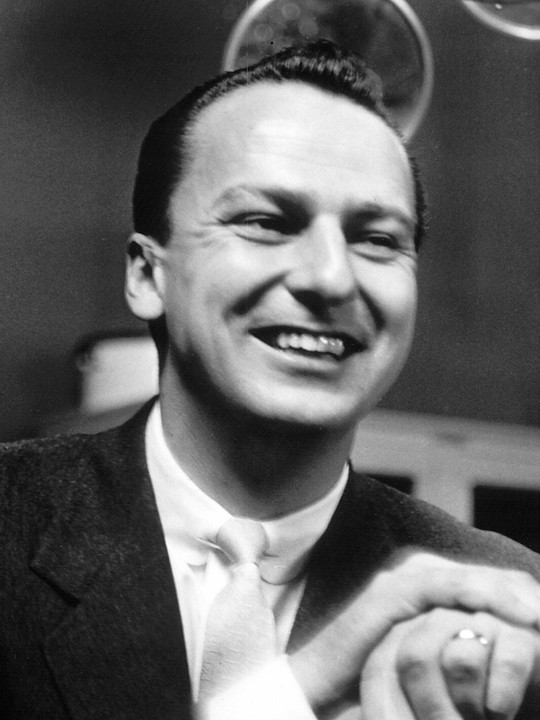
Today’s birthday celebrant was once dubbed “the Canadian Orson Welles”…and after leaving The Great White North in 1946, Fletcher Markle—born on this date in Winnipeg, Manitoba in 1921—would not only direct and produce Welles’ The Mercury Summer Theatre (in 1946), but contribute (though uncredited) to the director’s cult film noir The Lady from Shanghai (1947).  Fletcher went on to make significant inroads into movies and television…but radio always held a special place in his heart.

markle2Though born in Winnipeg, Fletcher Markle grew up in Vancouver, where he enrolled at the University of Vancouver…and left school two years later to write scripts for the Canadian Broadcasting Corporation.  He was only eighteen and considered a “wunderkind,” producing radio dramas for both local stations and the CBC (featuring a troupe of actors that included future star comedian Alan Young).  During his stint with the Royal Canadian Air Force from 1942 to 1945, Markle continued working in radio.  After being demobilized, he journeyed to England to write and direct radio plays.  It was there that Fletcher landed a small role in a motion picture entitled Journey Together (1945), which was his second contribution to motion pictures (after writing and appearing in a 1944 short titled The V-1: Story of the Robot Bomb).

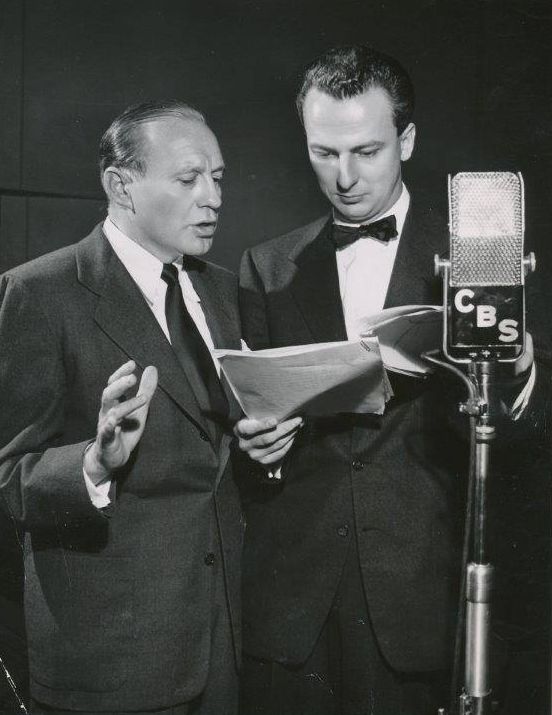
markle7Producer Alexander Korda persuaded Fletcher Markle to move to the U.S. to try his luck in Hollywood.  Markle cut his teeth in American radio writing scripts for The Columbia Workshop. In 1947, after successfully overseeing Mercury Summer Theatre, the twenty-six-year-old Fletcher was tapped to tackle a most prestigious assignment: directing and producing CBS Radio’s sixty-minute anthology drama Studio One.  The network had such high hopes for the program (dubbed “the most ambitious series in radio”) that CBS scheduled it opposite the NBC Tuesday night powerhouse combo of Fibber McGee & Molly and The Bob Hope Show.  Markle ensured that the series would set itself apart from similar shows by refusing celebrity “stunt casting” (he’s talking to you, Lux Radio Theatre) and remaining faithful to the source material.  Studio One premiered on April 29, 1947 with an adaptation of Malcolm Lowery’s “Under the Volcano” that featured true radio veterans like Everett Sloane, Joe DeSantis, and Robert Dryden.  In hindsight, perhaps the Tiffany network was just using the series as a sacrificial lamb…particularly since for the first six months of its run, Studio One could only be heard on the East Coast.  (It lasted a solitary season, ending July 27, 1948.)

markle8Markle’s work on Studio One (which he later duplicated when the show transitioned to TV in 1948) allowed him to take the reins on The Ford Theatre, another hour-long drama that was entering its second season on CBS starting October 8.  Ford’s inaugural season on NBC was quite similar to Studio One’s in that the creative minds behind the program eschewed Hollywood’s glittery stars in favor of radio professionals…but by the time Markle took over, the network insisted that he revamp Ford into Lux Radio Theatre redux.  Fletcher wasn’t happy about this, and occasionally commented about the show “taking the yellow brick road” in the press.  The Ford Theatre would receive a pink slip at the end of its second season, beaten by the formidable competition of other anthology dramas of its type.  Like his later duties on the TV version of Studio One, Markle would sit in the director-producer’s chair when Ford made its move to the small screen (re-titled The Ford Television Theatre).

markle4While flexing his radio muscles, Fletcher Markle continued with his career in movies at this time; he was the writer-director (and even had a small role as a nightclub customer) of Jigsaw (1949), a film oddity worth checking out for the celebrity cameos contributed by Marlene Dietrich, Henry Fonda, John Garfield, Burgess Meredith, Everett Sloane, and Marsha Hunt.  He also held the reins on Night Into Morning (1951), a melodrama with Ray Milland and future First Lady Nancy Davis Reagan, and The Man with a Cloak (1951), a you-have-to-see-it-to-believe-it Gothic thriller that for reasons unknown allows star Barbara Stanwyck to sing.  (You have been warned.)  Fletcher’s last feature film directing credit was The Incredible Journey (1963), a Walt Disney Studios caper about three animals (two dogs and a cat) attempting to find their way home after being lost on vacation (this one was remade as Homeward Bound: The Incredible Journey in 1993).

20393With radio on life support in the 1950s, Fletcher Markle concentrated his efforts on the small screen.  In 1953, he produced and directed a TV sitcom version of the stage/movie success Life with Father, and two years later supervised (as well as hosted) the anthology series Front Row Center.  His directing/writing/producing credits include such shows as The George Sanders Mystery Theater, Panic!, M Squad, Thriller, Hong Kong, Father of the Bride, Festival and Telescope.  Once a radio man, however, always a radio man; Markle worked on such radio revival series as The CBS Radio Mystery Theatre and The General Mills Radio Adventure Theatre, and was part of the creative team behind The Sears/Mutual Radio Theatre.  Fletcher Markle passed on in 1991.

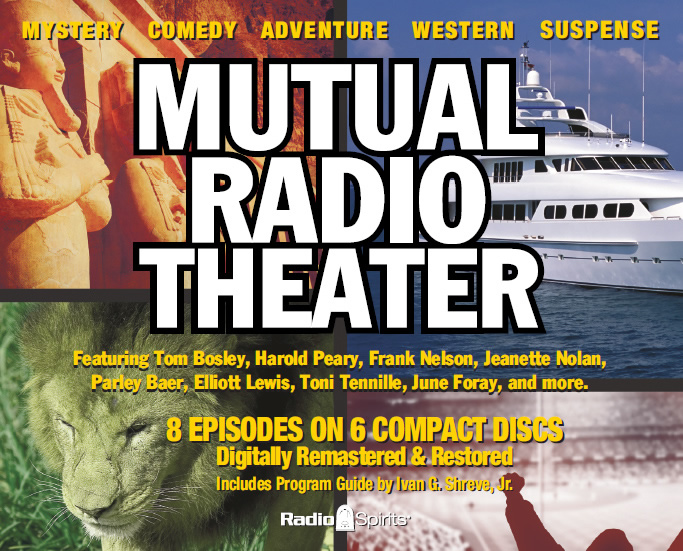
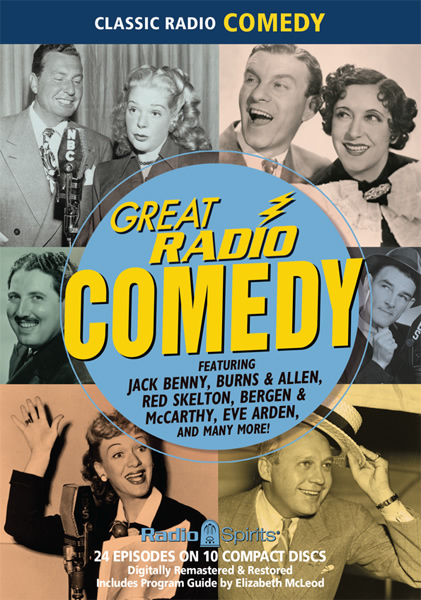
21090To celebrate Fletcher Markle’s birthday, Radio Spirits recommends you check out Golden Age of Television, Volumes 1-5, a DVD set featuring episodes of Studio One—the anthology series that represented much of Mr. Markle’s best work in television drama.  We’ve also a collection of Mutual Radio Theatre broadcasts, with liner notes by yours truly: an excellent example of the attempts to revive Radio’s Golden Age.  We’ve saved the best for last: our Jack Benny collection Be Our Guest features the star comedian in a March 4, 1949 Ford Theatre broadcast of his notorious “The Horn Blows at Midnight”…and in our Great Radio Comedy set, you can hear Fletcher Markle guest on Jack’s show from February 20, 1949 along with Jack Warner…both of whom try to talk Benny out of doing the Ford Theatre program!
Happy Birthday, Ed Begley!

begley15

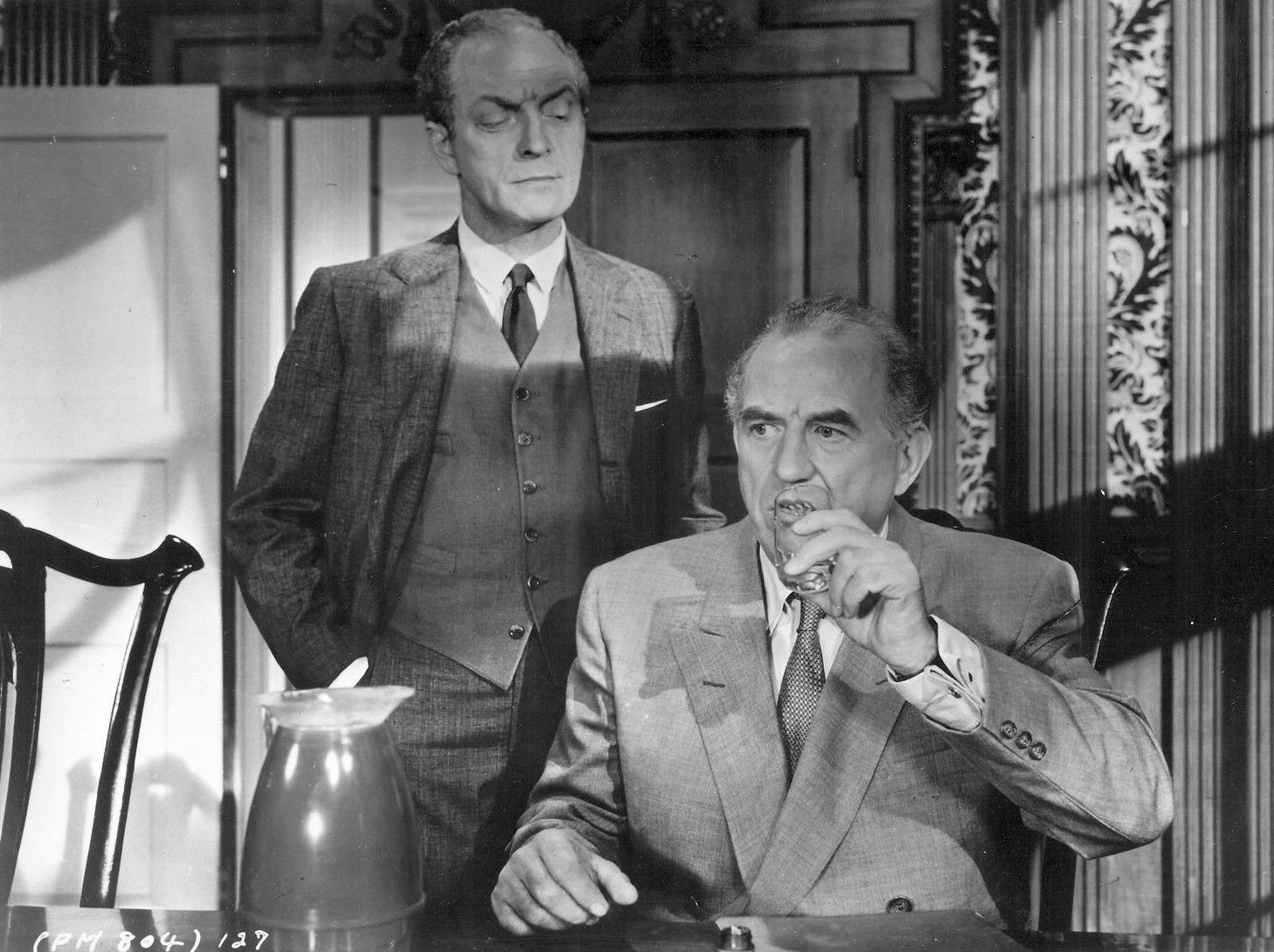
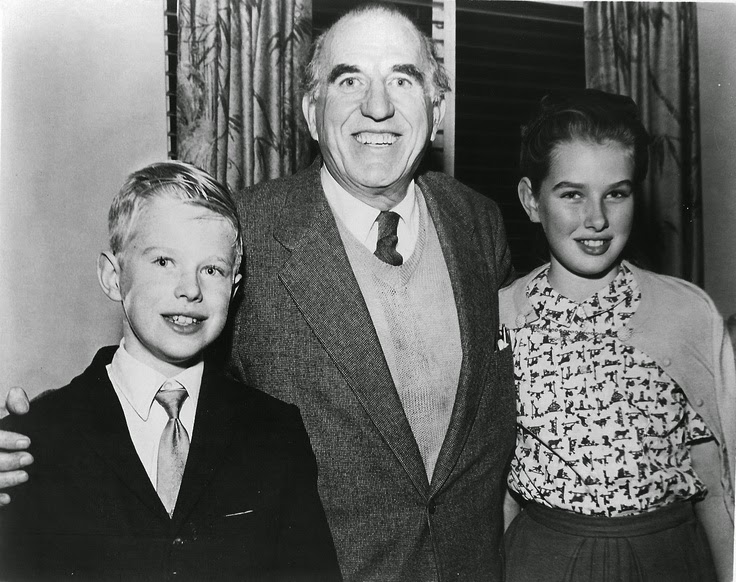
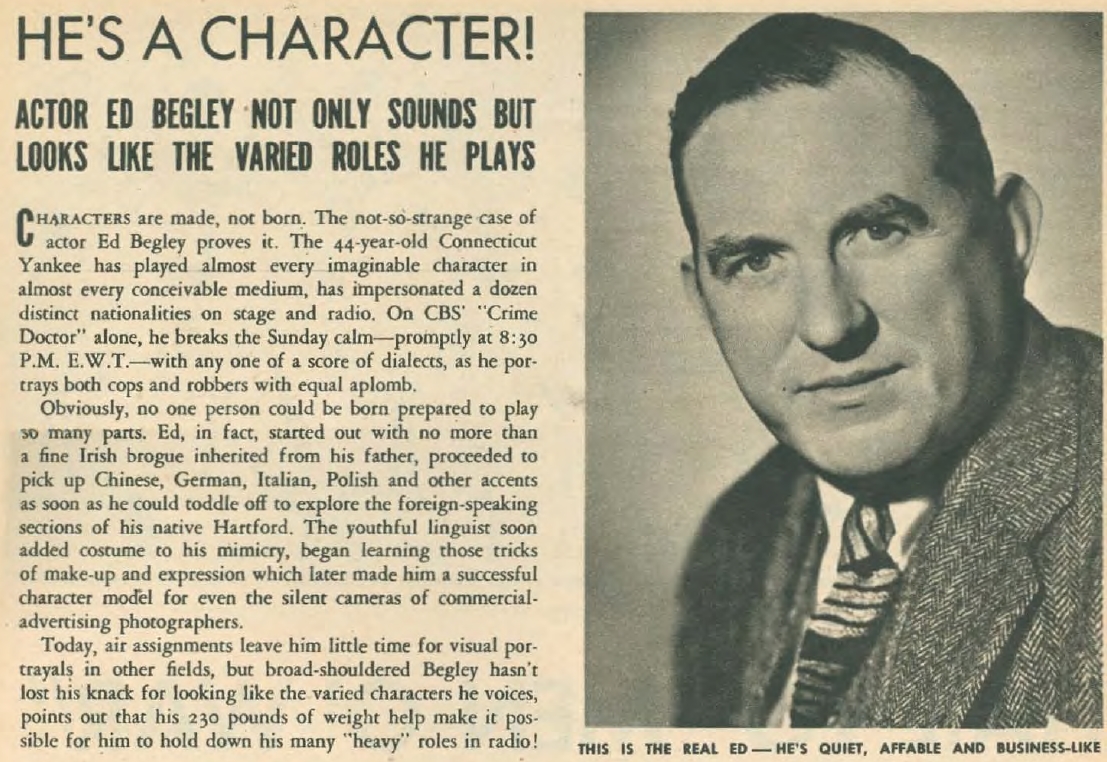
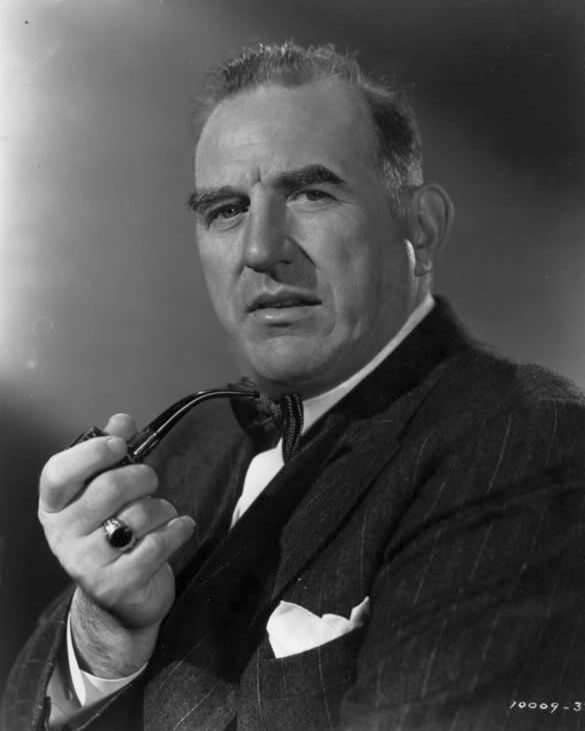
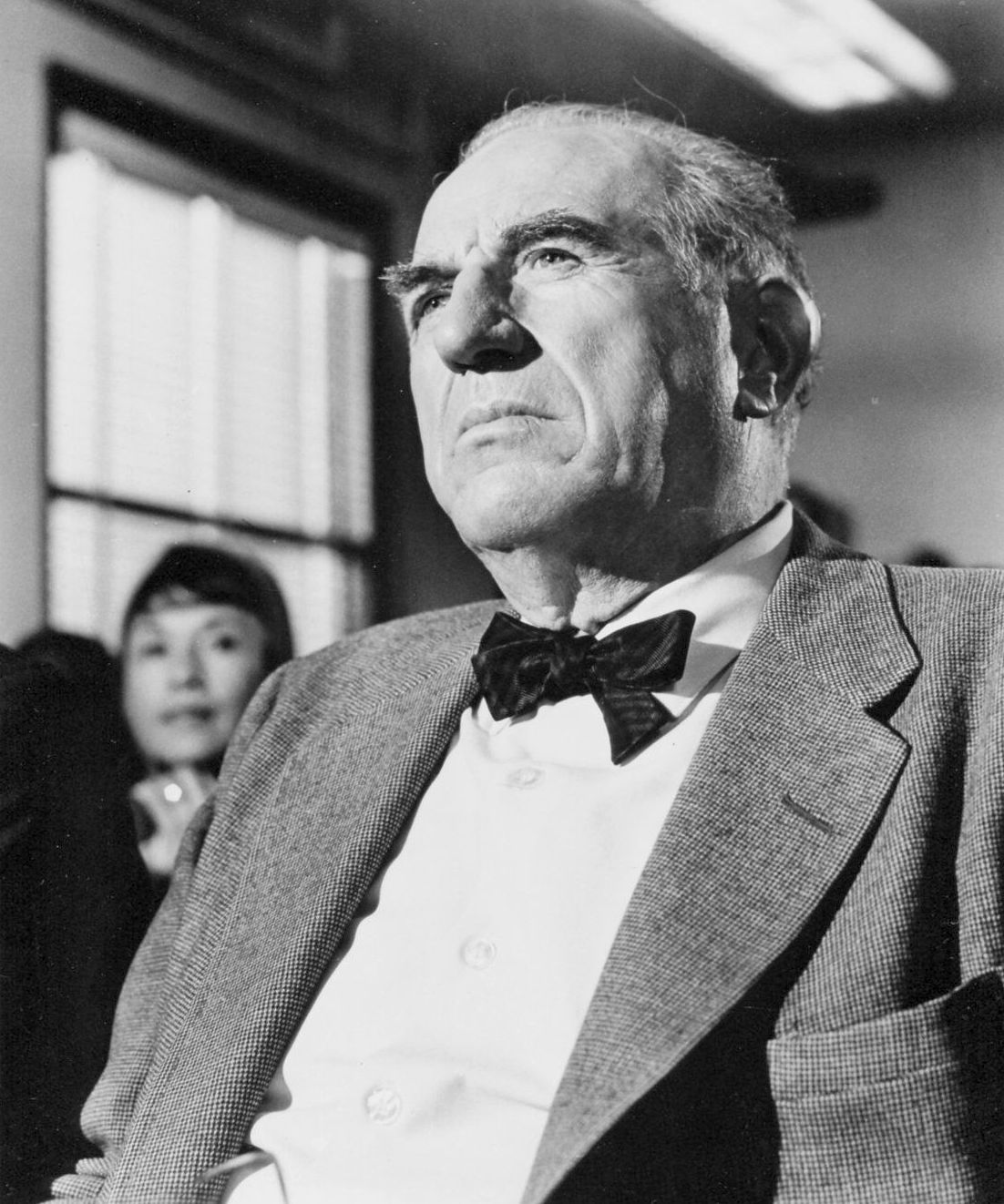
If you were to ask character actor Edward James Begley—born in Hartford, Connecticut on this date in 1901—about the highlight of his professional career, he would probably have responded that it came on the night of April 8, 1963…when he won the Oscar for Best Supporting Actor (his first and only Academy Award nomination).  According to his son Ed, Jr. (also an actor, best known for his role as Dr. Victor Ehrlich on St. Elsewhere), Ed, Sr. never went anywhere without his prize.  He even took it with him on car trips, since nothing tickled him more than having people take pictures of him with the statuette.

begley7Ed, Jr. was never allowed to touch the Oscar…until one day when his father asked him to hold it while he purchased plane tickets for a trip from New York to Los Angeles.  The nervous Ed, Jr. dropped the trophy, breaking its base.  Fortunately, the Academy had the Oscar repaired.  If they hadn’t, the young Begley would have never achieved his dream of becoming an actor (Ed, Sr. purportedly had quite the temper).  As for the senior Begley…it had been a long slog for the Oscar winner; he didn’t achieve real success until he was in his 40s.  Old-time radio fans, however, usually have no trouble picking Ed out of any cast of voice actors, thanks to his distinctive gravelly voice.

begley1Ed Begley, Sr. dropped out of school while he was still in fifth grade, but held on to his dream of becoming an actor, performing in amateur theatricals at his hometown’s Hartford Globe Theatre.  He left home at age eleven, and became a “jack-of-all-trades” before joining the U.S. Navy for a four-year hitch.  Out of the service, he worked in a bowling alley (as a pin boy), and then in various circuses and carnivals until finding work in vaudeville.  His radio career caught fire when he was hired as an announcer…and from there, it was just a short drift into acting.  He began performing on Hartford stations before moving to New York to look for work on stage…and got a big break with a part in Land of Fame in 1943.

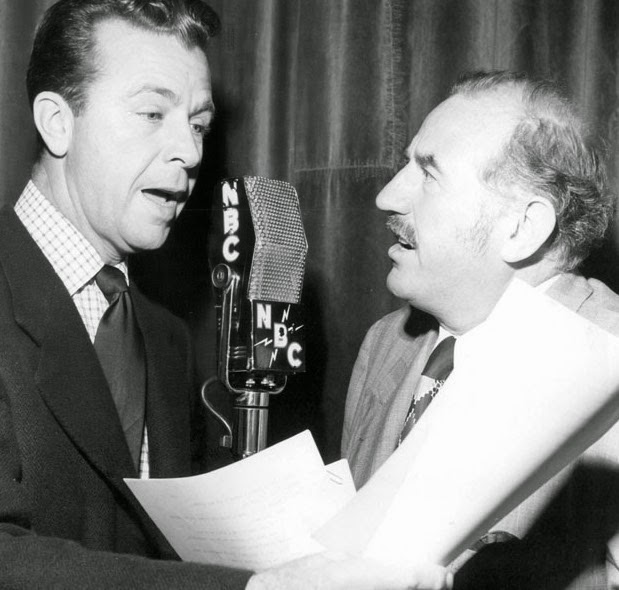
begley4Ed’s radio career was distinguished by his contributions to soap operas like Myrt and Marge (on which he played Francis Hayfield), and the exhaustive work he did on anthology programs, including Best Plays, The Cavalcade of America, The Columbia Workshop, The Damon Runyon Theatre, Family Theatre, Favorite Story, The Ford Theatre, Green Valley USA, The Hallmark Playhouse, The Lux Radio Theatre, The Radio Hall Of Fame, The Radio Reader’s Digest, The Railroad Hour, The Screen Director’s Playhouse, The Sportsman’s Club, Stars Over Hollywood, Studio One, and Theatre of Romance.  But in contrast to many of the serious roles with which he became identified later in his career, Begley demonstrated a flair for comedy before a radio microphone.  For a time, he played Will Brown, father of Henry Aldrich’s pal Homer on The Aldrich Family, and was later a regular on The Alan Young Show as Papa Dittenfeffer, the bad-tempered father of Alan’s girlfriend Betty (played by Jean Gillespie and Doris Singleton).  Ed also appeared as a regular of Milton Berle’s troupe on Uncle Miltie’s program during the 1947-48 season.  In addition, Begley worked on such comedy shows as Blondie, Fibber McGee & Molly, Honest Harold (The Harold Peary Show), and Our Miss Brooks.

begley2Ed Begley’s most unusual radio role would undoubtedly be that of the inscrutable sleuth who’d already gained popularity in motion pictures: Charlie Chan.  Yes, just as Charlie was played onscreen by such non-Asian actors as Warner Oland and Sidney Toler, Ed gave voice to the Asian detective on a series of broadcasts over various networks (NBC, ABC, Mutual) and in various formats from 1944 to 1948.  Begley later portrayed Sergeant O’Hara on The Fat Man, and for many was the definitive Lt. Walt Levinson on Dick Powell’s Richard Diamond, Private Detective.  Crime dramas and mystery programs provided much work for the actor; Ed was heard on the likes of The Adventures of Philip Marlowe, The Adventures of the Saint, Box 13, Broadway’s My Beat, Casey, Crime Photographer, Crime and Peter Chambers, Crime Doctor, Crime Does Not Pay, The FBI in Peace and War, Jeff Regan, Investigator, Let George Do It, The Line Up, Night Beat, Rocky Fortune, Tales of the Texas Rangers, This is Your FBI, and Yours Truly, Johnny Dollar.  Rounding out Begley’s radio resume were guest roles on such popular shows as Creeps by Night, Escape, The Man Called X, The Marriage, The Molle Mystery Theatre, The Story of Dr. Kildare, Stroke of Fate, Suspense, The Whistler, and Words at War.

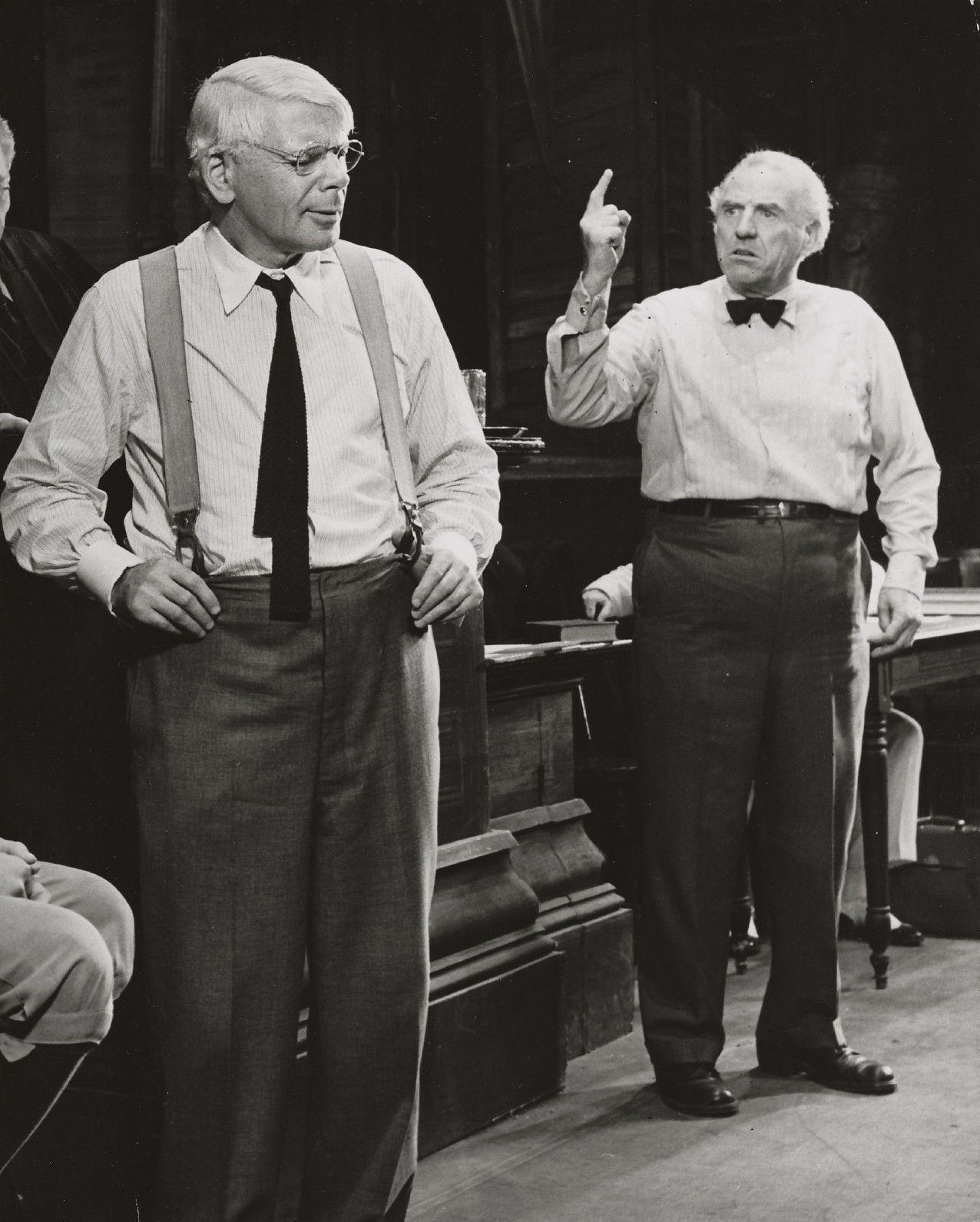
begley13While keeping busy in radio, Ed Begley saw his stage career start to pick up steam as well.  He was cast as tragic patriarch Joe Keller in Arthur Miller’s successful All My Sons in 1947 (adapted for the silver screen the following year, with Edward G. Robinson as Joe), and in 1955 played Matthew Harrison Brady opposite Paul Muni’s Henry Drummond in Inherit the Wind.  Begley won a Tony (1956’s Best Featured Actor in a Play) for his efforts…and when Muni left the production, Ed took a turn playing Drummond.  Other stage successes with Begley include Advise and Consent (1960) and Our Town (1969).

Begley’s feature film debut was in 1947’s Boomerang, which started him on a long journey of playing character roles in film noirs such as The Street with No Name (1948), Sorry, Wrong Number (1948), Dark City (1950), On Dangerous Ground (1951), Deadline – U.S.A. (1952), The Turning Point (1952), and Odds Against Tomorrow (1959).  His best remembered movie roles include tired businessman Bill Briggs in 1956’s Patterns (written by Rod Serling, Ed had played the same part twice previously on TV) and Juror Number Ten in 12 Angry Men (1957—the fellow with the head cold).  As previously stated, Begley took home the Oscar for his portrayal of political “boss” Tom Finley in Sweet Bird of Youth (1962), a movie adaptation of the 1959 Tennessee Williams play.

begley9Before his passing in 1970, Ed Begley made many appearances on the small screen in addition to his radio, movie, and stage work.  In 1952, he co-starred with Eddie Albert in a short-lived sitcom entitled Leave it to Larry; Begley played Albert’s father-in-law despite there only being about five years’ difference in their ages.  This and a brief stint as Reverend Dr. Paul Keeler on the daytime drama The Guiding Light (he was a member of the original cast) would be his only foray into a regular series, but Ed brought the same professionalism and conviction to guest roles on such favorites as The Defenders, Naked City, Route 66, Ben Casey, Wagon Train, The Fugitive, and The Invaders.

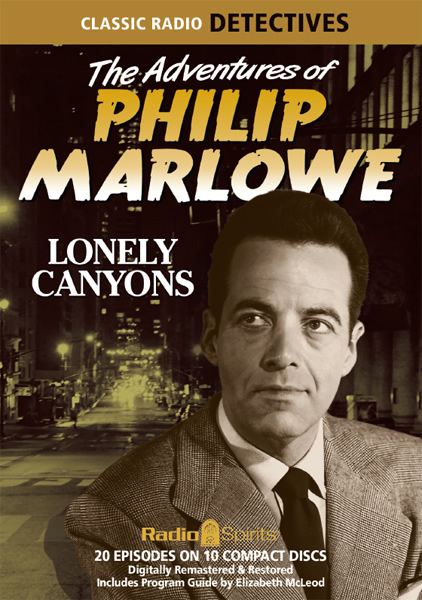
21176Here at Radio Spirits, we have collections featuring Ed Begley, Sr.’s signature role as Lt. Levinson on Richard Diamond, Private Detective: Dead Men, Homicide Made Easy, and Shamus.  You can also hear him on The Adventures of Philip Marlowe in Sucker’s Road and the brand-new Lonely Canyons, and on “radio’s outstanding theatre of thrills”: Suspense! (Suspense at Work, Ties That Bind).  Of course, you shouldn’t forget to check out our collections of Our Miss Brooks (Good English), The Adventures of the Saint (The Saint Solves the Case), Casey, Crime Photographer (Snapshots of Mystery), Jeff Regan, Investigator (Stand By for Mystery), Let George Do It (Cry Uncle), and The Line Up (Witness).  May I suggest an aperitif for this special occasion?  Birthday boy Ed appears in a May 9, 1948 broadcast of “The Front Page”—available on our popular Stop the Press! set.

Happy Birthday, Minerva Pious!

fredminerva

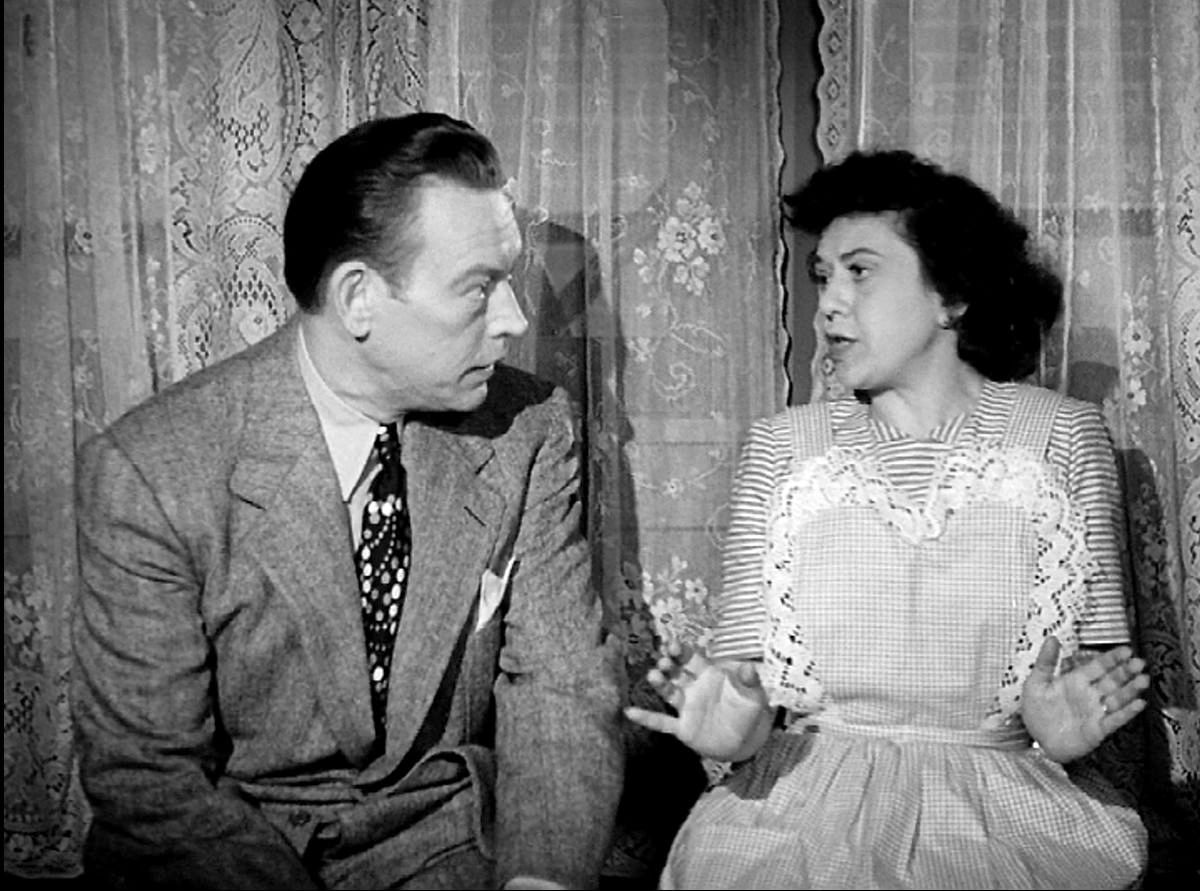
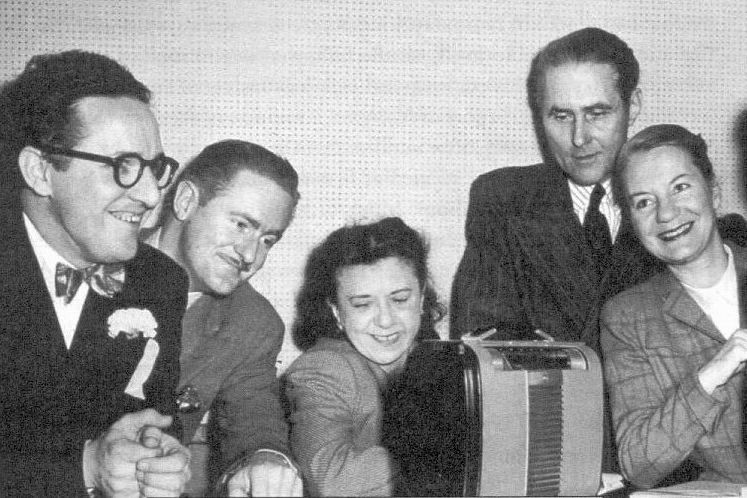
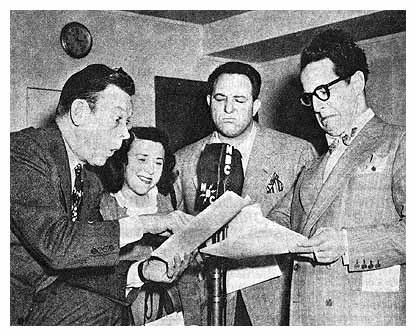
The legendary Fred Allen had words of high praise in his book Treadmill to Oblivion for long-time Fred Allen Show regular Minerva Pious, who was born on this date in either 1903 (according to most sources) or 1908 (according to her headstone) in Odessa, Kherson Governale (then Czarist Russia, nowadays part of Ukraine). Pious “was the most accomplished woman dialectician ever to appear in radio,” the comedian observed, admitting “I am an authority on Minerva Pious.” He continued to be effusive by noting, “There is no subtlety or inflection of speech associated with any nationality that Minerva cannot faithfully reproduce.”

fredallenshow4The woman who would later be immortalized on Fred’s program as Jewish housewife Pansy Nussbaum in the “Allen’s Alley” segments of his show actually began her show business career as accompanist to a radio vocalist named Harry Taylor. Minerva was quite proud of the fact that she needed no music in front of her, relying on her ability to remember notes. Except one night…well, you can probably see where this is going. Minerva froze during the performance…and was fired. It was unquestionably the best thing that could have happened to her. Harry Taylor later changed his name to Harry Tugend, and landed a job with Allen’s program as Fred’s assistant and director. When an actress who could do a Russian dialect was needed, Tugend remembered Pious (who was, after all, Russian). Minerva was on her way to becoming a character actress—a long way from her first appearance on stage as a child walk-on in an opera where her father sang the baritone lead.

alanreed12Minerva Pious actually had a bit more acting experience than just the opera item on her resume. Before she settled on radio as her career, she had performed various character bits in New York stage productions and, while abroad, she dabbled in German and French dramatics in Salzburg. Still, her mastery of dialects was what kept her working on Fred’s weekly comedy broadcasts; whether it was The Salad Bowl Revue, The Sal Hepatica Revue, The Hour of Smiles, Town Hall Tonight, or The Texaco Star Theatre. It was on this last show that Allen would introduce the feature for which most old-time radio fans remember him best: “Allen’s Alley.” On December 6, 1942, the first four denizens to be interviewed were Senator Bloat (played by J. Scott Smart), John Doe (John Brown), Socrates Mulligan (Charlie Cantor) and Mrs. Nussbaum (Minerva). Mrs. N was the only original member of the group to remain through the various incarnations (which later saw the addition of Senator Claghorn, Titus Moody, Falstaff Openshaw, and Ajax Cassidy).

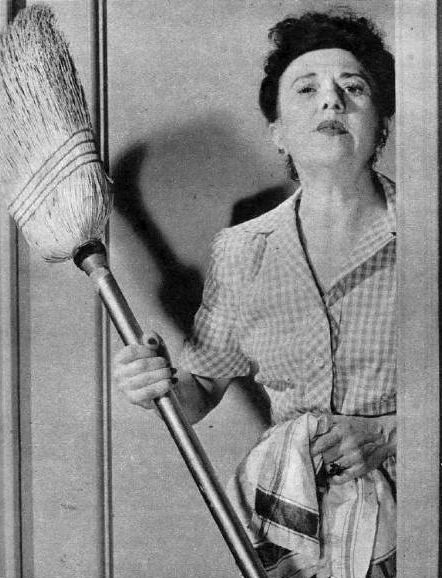
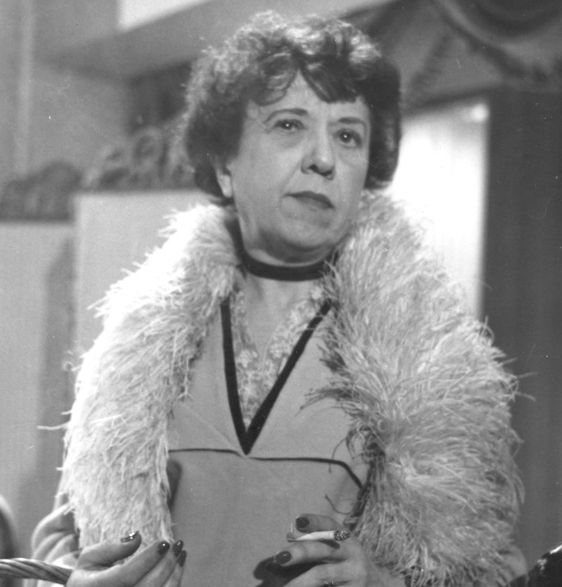
nussbaumOn radio, Pansy Nussbaum was a formidable housewife who would often reply to Fred’s greeting of “Ah, Mrs. Nussbaum…” with “You were expecting maybe Nat King Cohen?” or “You were expecting maybe the Fink Spots?” Adding a Jewish malapropal twist to the names of well-known celebrities would become the character’s trademark, in addition to her constant complaining about Mr. Nussbaum—“mine husband, Pierre.” Pious demonstrated many dialects on Allen’s program—Scandinavian, German, French…even Brooklynese! But it was her portrayal of Mrs. Nussbaum that kept listeners coming back each week, and Allen would later write: “Her Jewish housewife was never the routine, offensive burlesque caricature. Mrs. Nussbaum was a human being, warm, honest, understanding and—‘you should pardon the expression’—very funny.”

charlieminervaMinerva was often asked to reprise her Nussbaum character on a variety of other comedy-variety shows, which allowed her to trade yuks with the likes of Abbott & Costello, Jack Benny, Eddie Cantor, Bob Hope, Frank Morgan (The Fabulous Dr. Tweedy), Henry Morgan, Kate Smith, and Rudy Vallee. She appeared as a regular on both The Alan Young Show and Happy Island (with Ed Wynn), and guested on the likes of G.I. Journal and Mail Call. One of my favorite Pious appearances is on a January 22, 1947 broadcast of Duffy’s Tavern, in which Mrs. Nussbaum visits “where the elite meet to eat” and announces her intention to divorce husband Pierre. (John J. “No names, please” Anthony is also on hand in this episode, and he tries to give Mrs. N a little marital advice.) Rounding out Minerva’s radio resume are gigs on such shows as Behind the Mike, Columbia Presents Corwin, The Columbia Workshop, The Goldbergs, Life Can Be Beautiful (“Elsie Beebe”), The Pursuit of Happiness, The Radio Hall of Fame, and You Are There.

joemacbethIn the 1945 motion picture comedy It’s in the Bag!, viewers get an opportunity to see Minerva Pious in the Nussbaum role. In a delightful sequence, Fred Allen’s character (Frederick Floogle) is trying to track down a fortune hidden in one of five chairs (one of which was sold to Mrs. Nussbaum). For some people, the segment doesn’t work because, while Pious could create magic in front of microphone, in real life she stood only five-feet in her stockings and suffered from a bad hip that gave her a pronounced limp. Speaking only for myself, I love seeing the two of them working together in what is admittedly my favorite of Fred’s feature films.

Minerva’s contributions to the silver screen were few in number—she has bit roles in Love in the Afternoon (1957) and Summer Wishes, Winter Dreams (1973—which aired recently on TCM). Her most substantial movie turn was as “Rosie” in Joe MacBeth (1955)—a gangster version of the Shakespeare play. (She also contributed her wonderful voice to 1964’s Pinocchio in Outer Space.) Pious’ television appearances were even fewer: she performed on The Colgate Comedy Hour and The Chevrolet Television Theatre, and appeared briefly on the daytime drama The Edge of Night as a landlady in the 1970s. Until her death in 1979, Pious was content to reminisce about Radio’s Golden Age in such television specials as The Great Radio Comedians (telecast in 1972).

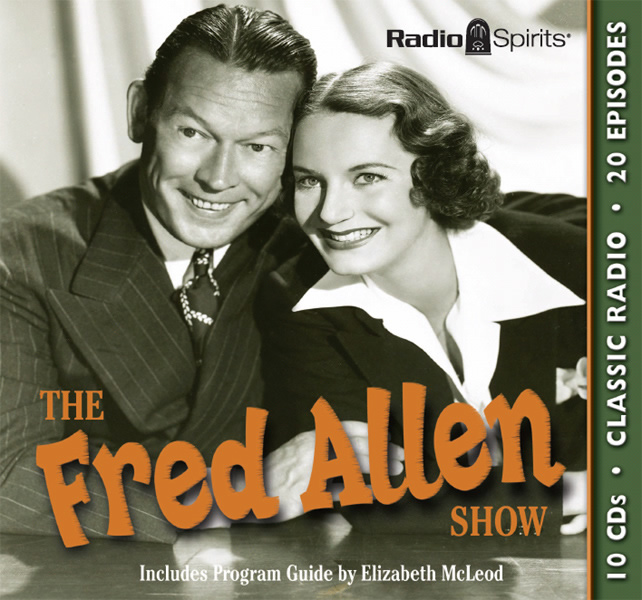
20206In honor of what would have been Minerva Pious’ 108th/113th natal anniversary today, Radio Spirits would like to recommend that you check out our signature Fred Allen collection, The Fred Allen Show: a set that contains the very first trip down “Allen’s Alley” (the December 6, 1942 broadcast features George Jessel as guest). You’ll also find Minerva on Jack Benny vs. Fred Allen: The Feud and Jack Benny vs. Fred Allen: Grudge Match—two excellent compilations of broadcasts that focus on radio’s best-known verbal donnybrook between two of the medium’s greatest comedians. Happy birthday, Minerva! (“You were expecting maybe Hoagy Carbuncle?”)

Happy Birthday, Antony Ellis!

antony-ellis-ray-bradbury

The last time we got together here on the blog we celebrated Sheldon Leonard’s birthday…and I described his career as a “hyphenate”: actor, producer, director (and even writer on shows like the Andy Griffith and Danny Thomas programs). Today marks the natal anniversary of yet another hyphenate: it’s Antony Ellis, a native Brit (born in the United Kingdom in 1920) who found success on this side of the pond as an actor before expanding his horizons as a writer-director-producer on such radio classics as Escape and Suspense.

ellis2Antony’s early radio career was marked as a performer on such shows as The Lux Radio Theatre, Arch Oboler’s Plays, and The Voyage of the Scarlet Queen. It was with Pursuit, a short-lived but excellent series about the exploits of a fictional Scotland Yard detective (played at various times by Ted de Corsia, John Dehner, Herb Butterfield, and Ben Wright), that Ellis demonstrated he had a knack for slapping a noun up against a verb. His writing talents would soon be in high demand on series such as Romance and Escape…and yet he never completely abandoned emoting before the microphone, since several surviving broadcasts from those two series (as well as Pursuit) feature him in a performing capacity (frequently alongside his wife Georgia, best-known as Long Branch proprietor Kitty Russell on Gunsmoke).

ellis1Among Tony’s memorable contributions to Escape: “A Sleeping Draught,” “The Cave” (a classic Christmas fantasy), and “I Saw Myself Running”—a personal favorite of mine that deals with the bizarre, mystifying world of dreams. In the last season of Escape, Ellis found himself seated in the director’s chair numerous times (while Norm Macdonnell continued as producer), adding to his resume of writing and performing. As mentioned, wife Georgia was a regular on Macdonnell’s Gunsmoke, and Tony contributed a few remarkable scripts to that series as well, including that show’s classic Christmas outing (appropriately titled “Christmas Story”) and “Kitty,” an entry that takes a closer look at the “relationship” between the saloon girl and Marshal Dillon when the lawman asks her to be his escort at a dance (Ellis plays a small part in this one as well).

lewisesIn addition, Antony Ellis forged a bond of friendship with none other than “Mr. Radio” himself—Elliott Lewis. Tony wrote and performed on a number of shows overseen by Lewis, notably Crime Classics and On Stage. It was Ellis who adapted Shakespeare’s Othello for the memorable Suspense two-parter broadcast on May 4 and May 11, 1953, featuring Lewis as the titular Moor with Richard Widmark (as Iago) and Elliott’s then-wife Cathy Lewis (as Desdemona). Tony inherited Suspense in December of 1954 as director-producer, and continued in that capacity for two years (he was also directing and producing Romance) until William N. Robson took over. Other series that featured Ellis’ contributions include The Bakers’ Theatre of Stars, The Hallmark Hall of Fame, and O’Hara. Tony also left his stamp on The CBS Radio Workshop with a pair of classics in “The Enormous Radio” and “A Matter of Logic”—both of which dealt with the business that he loved so well.

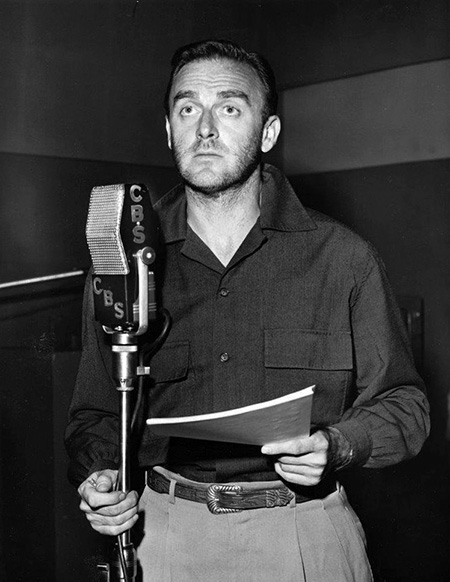
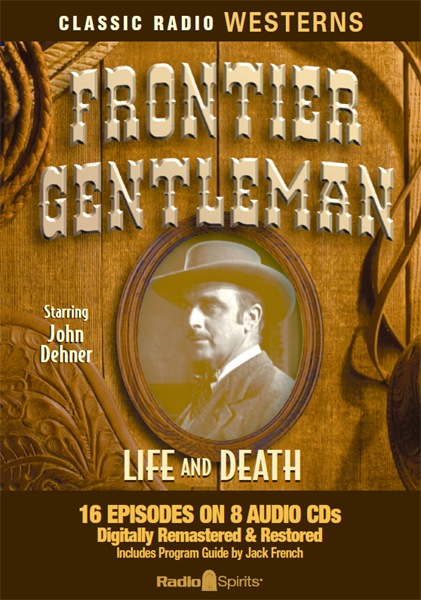
john-dehner-radio2As an Englishman who became a naturalized American citizen, Antony Ellis turned his fascination with his adopted country and his insatiable interest in the history of the Old West into the series that inarguably remains his greatest radio achievement: Frontier Gentleman. The intro to that classic western says it all: “Herewith, an Englishman’s account of life and death in the West.” The show revolved around London Times reporter Jeremy Brian Kendall (played by John Dehner, who was great friends with Tony in real life) as he traveled throughout the early Western United States in search of subject matter for his contributions to the newspaper. Frontier Gentleman provided rich character studies of people both obscure and famous (among the legends Kendall encountered were Calamity Jane and Wild Bill Hickok), and as old-time radio historian John Dunning once remarked, Gentleman was “the only serious rival to Gunsmoke in the radio Hall of Fame.” Sadly, this superb series only ran from February 2 to November 16, 1958.

ridebackSince it was only a matter of time until radio’s coffin was lowered into the ground, Antony Ellis was soon forced to find other conduits for his creative talents. A Gunsmoke episode he penned (which unfortunately no longer appears to survive in recorded form), “The Ride Back,” was fashioned into a feature film in 1957 starring Anthony Quinn and William Conrad. (I always tell those people outraged by the vetoing of Conrad by the network brass to continue playing Matt Dillon on the TV version of Gunsmoke that Ride Back is an excellent way to imagine him in the role). Ellis had better luck on the small screen, where he wrote for such hits as Zorro, Dick Powell’s Zane Grey Theatre, The Man from U.N.C.L.E., and The Detectives Starring Robert Taylor (Ellis also penned a few Gunsmoke scripts, too). Ellis was the producer of a TV version of Michael Shayne between 1960 and 1961, and created, wrote and produced Black Saddle (1959-60)—an underrated western (that should have been more successful) starring a pre-Big Valley Peter Breck and a pre-Gilligan’s Island Russell Johnson. Tony’s promising career was cut short in 1967 when he succumbed to cancer at the age of 47.

19833At Radio Spirits, we feature plenty of broadcasts from Antony Ellis’ amazing contribution to radio drama in Frontier Gentleman, featuring such collections as Frontier Gentleman and Life and Death. You can also listen to his creative contributions to Romance as well as Escape (Escape Essentials, Escape to the High Seas, The Hunted and the Haunted) and Suspense (Suspense at Work, Ties That Bind, Around the World). Finally—don’t miss out on Tony the actor with performances on Crime Classics and Voyage of the Scarlet Queen, Volume Two. Happy birthday to the one of the most formidable talents of Radio’s Golden Age!

Happy Birthday, Sheldon Leonard!

meetmeatparkys1

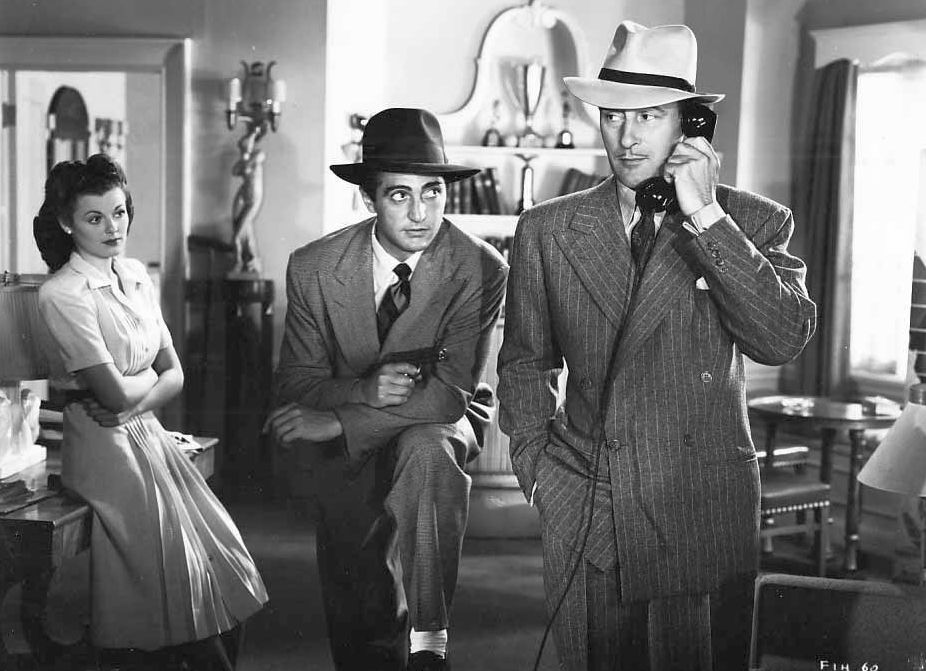
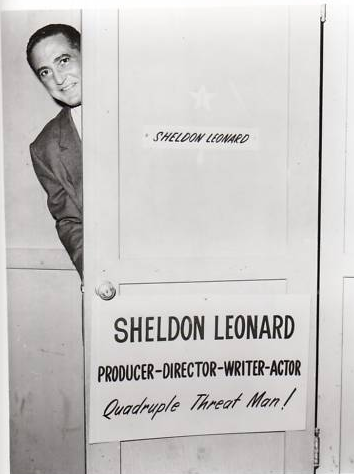
Nowadays, the concept of the “hyphenate” is fairly common in Hollywood—the word is used to describe anyone in show business who wears various hats: actor, writer, producer, director, etc. The most famous hyphenate in radio was inarguably Orson Welles, but on this date in 1907, an individual was born in New York City’s Manhattan who would also be able to have the title printed on his business card. Sheldon Leonard Bershad—he later dropped the “Bershad,” of course—started out as the go-to guy for playing gangsters and other tough mugs. He didn’t score those roles only on radio, but also in theater, movies, and on television, reciting his dialogue in a thick Noo Yawk accent out of the corner of his mouth. But he would later become one of the most successful producers in the television industry, working on sitcoms that are still enjoyed today by generations old and new.

leonard11Leonard was the son of Frank and Anna (Levit) Bershad, and upon his graduation from Syracuse University in 1929 he set out to conquer Wall Street. But the famous financial crash in that year soon sent him to the unemployment line, and so he decided to pursue an acting career instead. Sheldon paid his dues and, in 1934, landed his first Broadway gig with a role in Hotel Alimony. Successful showcases in Having Wonderful Time (1937) and Kiss the Boys Goodbye (1938) followed, and so did a number of offers beseeching him to head West and heed the siren song of motion pictures. Starting with a character part (Phil Church) in Another Thin Man (1939), Leonard took on any number of tough-guy roles in films like Tall, Dark and Handsome (1941), Lucky Jordan (1942), Hit the Ice (1943), The Falcon in Hollywood (1945), and Bowery Bombshell (1946). Sheldon also demonstrated that he could play against type in vehicles like Tortilla Flat (1942), To Have and Have Not (1944), Decoy (1946), and It’s a Wonderful Life (1946)—in which he played the small, but pivotal, role of Nick the Bartender. (“Get me! I’m givin’ out wings!”)

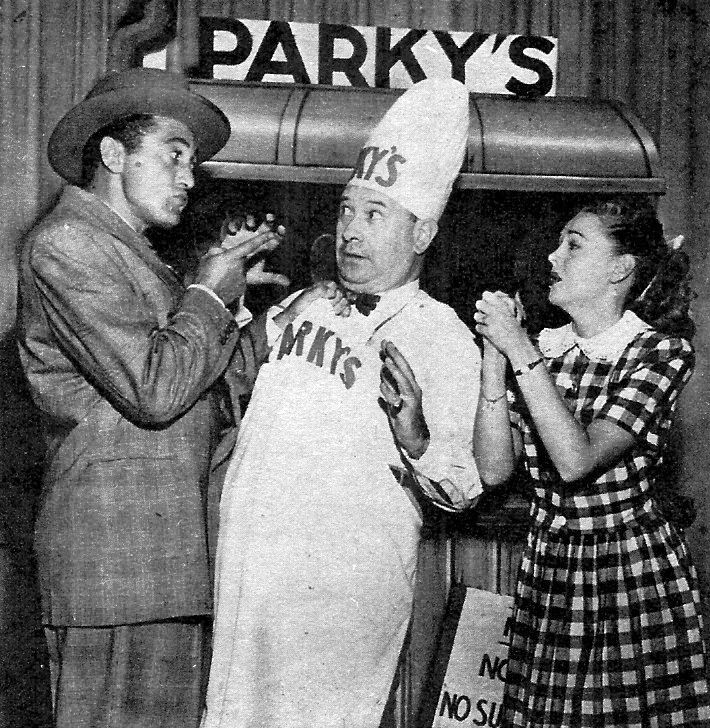
meetmeatparkys2Radio is where the demand for Sheldon Leonard’s acting talents as the quintessential gangster really came into play. He had a semi-regular showcase on The Phil Harris-Alice Faye Show as a mug named Grogan, and also played hoods on Meet Me at Parky’s and The Martin & Lewis Show. Leonard’s flair for comedy was given carte blanche on The Judy Canova Show where he played Joe Crunchmiller, Canova’s cabbie boyfriend (from Brooklyn, natch), and he played a similar boyfriend, Joe Pulaski, on The Adventures of Maisie. He traded quips with Bob Hope and George Burns & Gracie Allen, walked into Duffy’s Tavern a time or two, and appeared on such radio funfests as Amos ‘n’ Andy, The Baby Snooks Show, Bright Star, A Day in the Life of Dennis Day, The Halls of Ivy, Mr. and Mrs. Blandings, My Favorite Husband and The Sealtest Variety Theatre. As you may have guessed, Sheldon was also in high demand on The Damon Runyon Theatre; heck, the man was the living persona of a Runyonesque character! Leonard would prove this with roles in such Runyon-inspired motion pictures as Money from Home and Guys and Dolls (in which he famously played “Harry the Horse”).

bennyleonardOther radio programs on which Leonard made the rounds include The Adventures of the Saint, Bold Venture, Broadway’s My Beat, Hollywood Star Playhouse, I Was a Communist for the FBI, The Line Up, The Lux Radio Theatre, The Man Called X, Mr. and Mrs. North, Night Beat, On Stage, Presenting Charles Boyer, Richard Diamond, Private Detective, Screen Director’s Playhouse, Somebody Knows, The Story of Dr. Kildare, Suspense, and This is Your FBI. His best remembered radio job, however, was emoting as a character known only as “The Tout” on The Jack Benny Program. A running gag on Jack’s show often found him getting ready to board a train to New York or some other destination…and more likely than not, Benny would encounter a man who would summon him forth with “Psst…hey, bud…c’mere…” Sheldon’s tout would quiz Jack as to what he was up to, and when the comedian declared his intention to do something The Tout would always try to get him to change his mind in the manner of a sharpie you might encounter at the track. It could be the simplest of tasks; if Jack was going to buy a train ticket, The Tout would tell him something along the lines of “Take The Super Chief—it’s got a good rail position!” or “The Super Chief is a sleeper!” On one occasion, Jack asked his nemesis why he never recommended a horse to bet on, prompting Leonard to respond: “Who knows about horses?”

leonard12Milt Josefberg writes in The Jack Benny Show that, although the star comedian had high praise for Leonard’s performances as The Tout, Jack had a tendency to confusingly refer to him as “Leonard Sheldon” (an honest mistake, since the actor had two first names). But when “Leonard Sheldon” took on the assignment as director of Danny Thomas’ hit television sitcom Make Room for Daddy, it was only a matter of time before no one ever got the man’s name wrong again—particularly since the shows he oversaw collected a “passel” of Emmy Awards (Leonard himself collected five). In the third year of Thomas’ show, he was promoted to producer. Then, while juggling his existing assignments, he directed the pilot and early episodes of both Lassie and The Real McCoys (produced by Thomas’ company). And as if that wasn’t enough, he also starred in a 1954 summer replacement series titled The Duke. Sheldon was then promoted to executive producer of the (now renamed) The Danny Thomas Show in 1961…but he was just warming up.

leonard14A guest appearance on Thomas’ series by comedian-actor Andy Griffith resulted in another Top Ten sitcom smash in 1960, The Andy Griffith Show. Sheldon Leonard was also the executive producer of Gomer Pyle, USMC, which was spun-off from the Griffith series in 1964. In addition, Leonard got comedian Joey Bishop started with his own sitcom from an appearance on The Danny Thomas Show (though he did not produce The Joey Bishop Show), and spun-off another Danny Thomas Show character, Jose Jiménez, in The Bill Dana Show. Sheldon’s greatest contribution to television comedy (and I’ll admit I’m a little biased here) was seeing potential in a series created by Your Show of Shows performer-writer Carl Reiner entitled Head of the Family. He told Reiner to relinquish the lead to Broadway sensation Dick Van Dyke…and the result was The Dick Van Dyke Show. Other series with the Sheldon Leonard stamp of quality included I Spy, Accidental Family, Good Morning, World, and My World and Welcome to It (my current Holy Grail of television shows that need to be released on DVD).

In the 1970s, Sheldon Leonard kept up the pace with contributions like From a Bird’s Eye View and Shirley’s World, and in 1975 attempted a TV series comeback with a failed sitcom entitled Big Eddie. Sheldon would continue to guest star on such shows as Sanford and Son, The Facts of Life, and Cheers. His last work as an executive producer would be for a 1994 revival of the I Spy series entitled I Spy Returns. Sheldon Leonard passed away at the age of 89 in 1997.

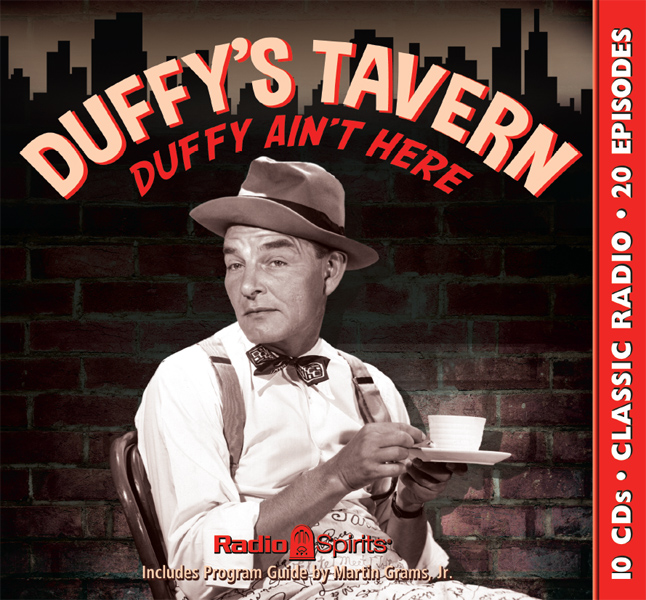
20788Radio Spirits invites you to enjoy some of today’s birthday boy’s work in some of his best-remembered venues: Sheldon Leonard plies his tough-guy stock-in-trade on The Damon Runyon Theatre (Broadway Complex), menaces Dick Powell in several Richard Diamond, Private Detective collections (Dead Men, Homicide Made Easy, Mayhem is My Business, Shamus), and shows up for The Line Up (Witness). You can also listen to Leonard trade quips with Ed Gardner (in the Duffy’s Tavern set Duffy Ain’t Here) and pal around with Phil Harris & Alice Faye (Family Values, Quite an Affair, Smoother and Sweeter). And don’t forget his work on The Adventures of the Saint (The Saint Solves the Case), Night Beat (Human Interest), and Somebody Knows. Of course, we’ve saved the best for dessert: enjoy Mr. Leonard at his comedic best on the Jack Benny collections Maestro, Neighbors, and Tall Tales. Happy birthday, Sheldon!

Happy Birthday, Jack Benny!

bennyvalentine

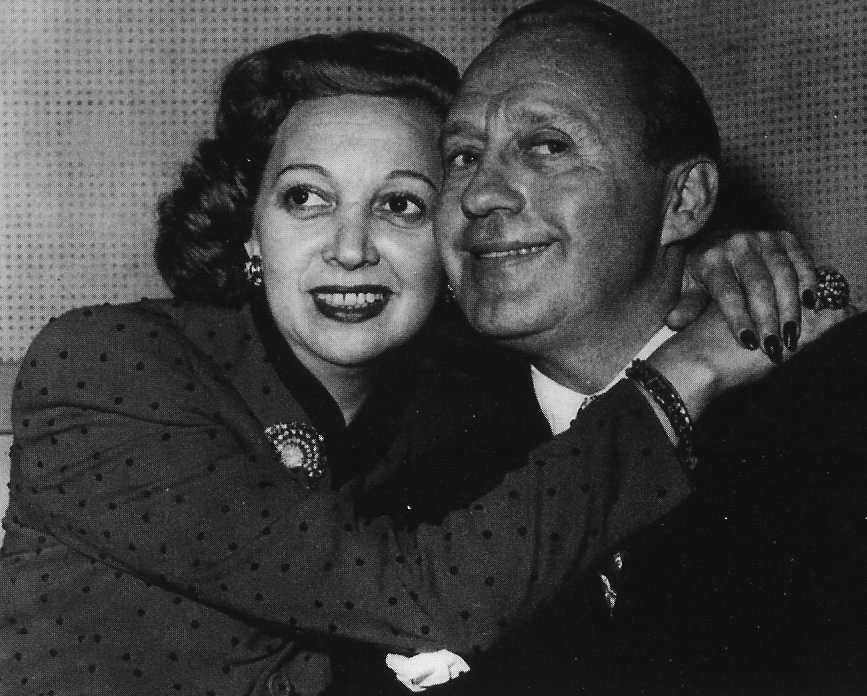
It’s Valentine’s Day! Time for the traditional exchange of cards, candy, flowers and other affectionate gifts with our loved ones! If you listen closely, you can hear the sounds of cash registers ringing, and perhaps even the rubbing of hands in gleeful anticipation of the windfall visited upon greeting card companies, confectioners, florists and anyone else who stands to make a hefty profit from the February 14th holiday.

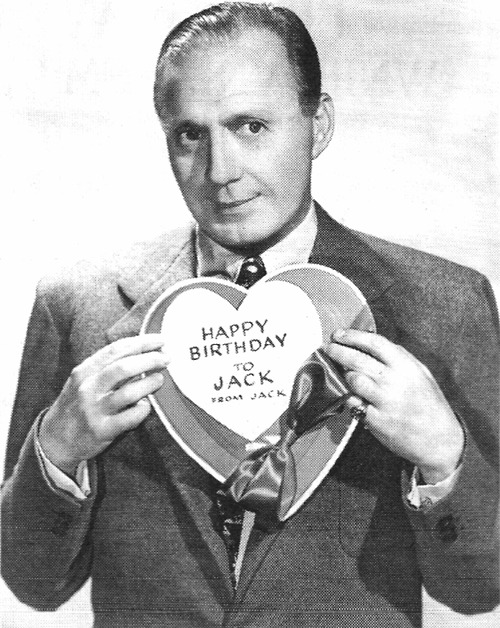
jack&mary4I can’t help but smile, however, when I think of the many ways that the person born in Chicago, Illinois on this date in 1894 (celebrating the 83rd anniversary of his 39th birthday, as it were) would surely have devised to get on that Valentine’s Day gravy train. He’d have his manservant Rochester growing roses in the backyard, or cooking candy in the kitchen. And as for greeting card verse?

Roses are red
Violets are blue
But then so are my eyes
Happy Valentine’s to you

jackbenny2It would be no exaggeration to state that Benjamin Kubelsky—better known to old-time radio fans as Jack Benny—remains the most beloved mirth maker from Radio’s Golden Age. Jack was unquestionably one of the most popular of the radio comedians; his program would become a Sunday night institution on both radio and TV for thirty years. Whenever longtime Jack Benny Show cast member Eddie “Rochester” Anderson would answer his employer’s ringing telephone with “Star of stage, screen and radio,” he was reminding listeners that Benny also drank deeply of success in vaudeville and on the silver screen as well.

On stage, he started out as a violinist; his parents had a dream that their son would one day become a professional, but Jack gave up on that when he discovered he was more proficient at making audiences laugh. (He never completely abandoned the string instrument, however—using it as a prop to punctuate his low-key style of humor [and as the inspiration for a million “bad-violin-playing” jokes.]) As for the movies, his agent persuaded M-G-M’s Irving Thalberg to catch his client’s act at the Orpheum Theatre in Los Angeles in 1929, and Jack soon found himself the beneficiary of a five-year-contract with the studio, appearing as the “Master of Ceremonies” in The Hollywood Revue of 1929.

jackbenny9Although Jack appeared in a number of feature films and shorts, he was never really satisfied with his forays into motion pictures. Part of this was due to the fact that he was a victim of his own radio success: many of the movies in which he appeared either had him playing himself or a Jack Benny-type character—Buck Benny Rides Again (1940), Love Thy Neighbor (1940), The Meanest Man in the World (1943), etc. There were, however, some movies in which he did approve of his acting: he was quite fond of Charley’s Aunt (1941) and George Washington Slept Here (1942), and considered To Be or Not to Be (1942) his greatest cinematic achievement (and rightly so, in my opinion). His final starring film, The Horn Blows at Midnight (1945), would provide delightful comic fodder for his radio and television series, despite the fact that it’s not nearly as bad as he pretended it was.

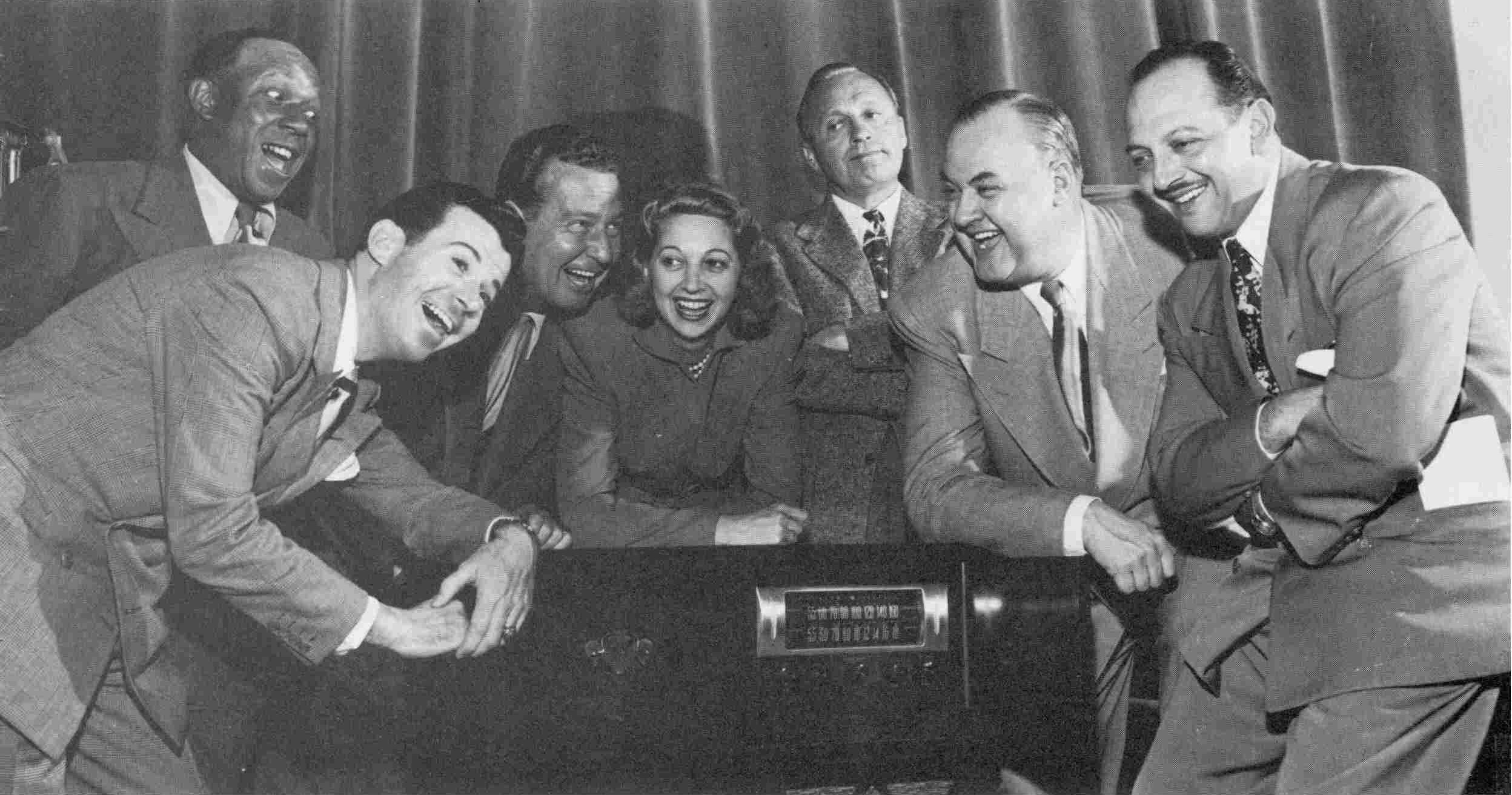
jackbennygang1Jack Benny’s comedy remains timeless, even when the jokes of many of his fellow funsters from that era can’t help but come across as a bit dated. The reason for this is simple: Jack was a disciple of character-based comedy—he may have begun his radio career with vaudeville-style humor, but writers like Harry Cohn, Ed Beloin and Bill Morrow soon developed a “switcheroo” formula. They made Jack the target of barbs from his “gang,” instead of just using his co-stars to set up punchlines. The exemplary supporting cast included his wife Mary Livingstone (who played Jack’s sardonic Girl Friday), announcer Don Wilson, bandleader Phil Harris, tenor Dennis Day, and as mentioned, Rochester. The regulars were aided and abetted by some of the best second bananas in the business: Sheldon Leonard, Joseph Kearns, Verna Felton, Frank Nelson, Artie Auerbach, Bea Benaderet…and most importantly of all, Mel Blanc. (The Jack Benny Program without Mel Blanc would be like a Bowery Boys film without gangsters.)

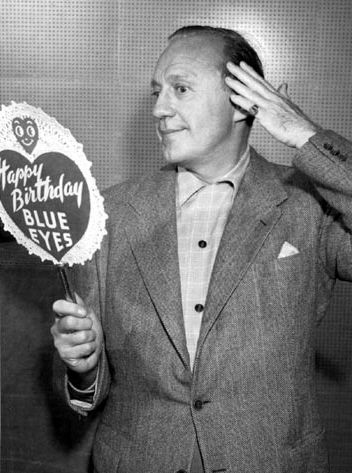
bennybirthdayThe real reason why Jack Benny remains so beloved among his fans is that the man essentially functioned as a funhouse mirror, exaggerating our imperfections and weaknesses in order to help us cope with them by laughing uproariously. The person Jack played on his radio and television shows was not the most attractive of individuals. He was a money-grubbing miser, a martinet who demanded complete fealty from his employees, and a bon vivant who had persuaded himself he was catnip as far as the ladies were concerned. He was none of these things in real life, of course, but the fact that he convinced listeners and viewers that he was stands as a testament to his skills as a performer and actor. And yet, I don’t think any comedian among Benny’s peers was able to convey so well that adored Everyman persona—the individual who immediately won our sympathy the moment he came up against a figure of authority…say, a condescending store clerk (usually played by Frank Nelson).

Jack Benny stopped production on his weekly TV series at the end of the 1964-65 season, though for many years afterward he continued to be a fixture (and elder statesman) with a series of highly-rated television specials. But on December 26, 1974, Jack left this world for a better one—a devastating turn of events for many. As his longtime friend Bob Hope so memorably said as he delivered Jack’s eulogy: “For a man who was the undisputed master of comedy timing, you’d have to say that this was the only time when Jack Benny’s timing was all wrong. He left us much too soon.”

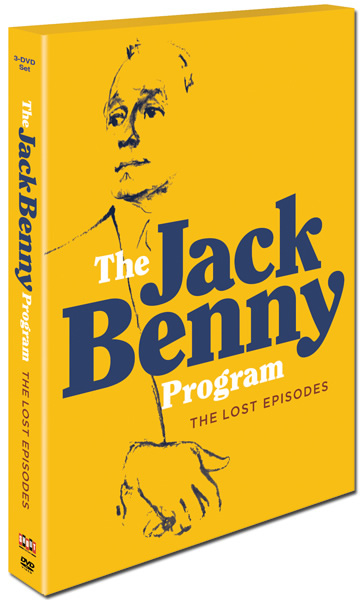
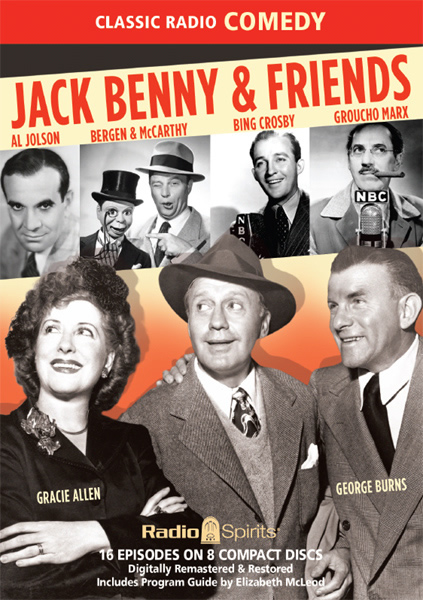
20504So here’s the age-old argument, even more pressing than “Which came first—the chicken or the egg?” It’s “Was Jack Benny better on television or radio?” Well, Radio Spirits refuses to take sides (we think he was great in both mediums), but we do give you an opportunity to sample the visual contributions of today’s birthday boy in the DVD collection The Jack Benny Program: The Lost Episodes. (We even have a review of this set in our voluminous blog archives.) If you’re inclined to argue the radio side, we have you covered. You can check out Benny broadcasts on such potpourri compilations as Comedy Goes West, Great Radio Comedy, and Radio Classics: Selected by Greg Bell…not to mention Yuletide celebrations in Christmas Radio Classics, Radio’s Christmas Celebrations, and The Voices of Christmas Past. You should also look into our Burns & Allen presentations of Muddling Through and Burns & Allen and Friends, which feature shows with Jack as guest star.

20933Bah and feh! I hear you saying. You’re past all that, and demand pure, undiluted Benny. Radio Spirits offers up plenty of those collections as well—I’d highly recommend Be Our Guest, which presents Jack in various venues such as Suspense and The Lux Radio Theatre. In addition, we feature two sets that allow Jack to square off with his longtime radio nemesis (though in real life they were the best of friends) Fred Allen: The Feud and Grudge Match. Finally, binge on Benny with such collections as Jack Benny & Friends, Jack Benny International, Maestro, Neighbors, Oh, Rochester!, Tall Tales, and Wit Under the Weather. Happy birthday, Jack!

The Older-And-No-Wiser Matter

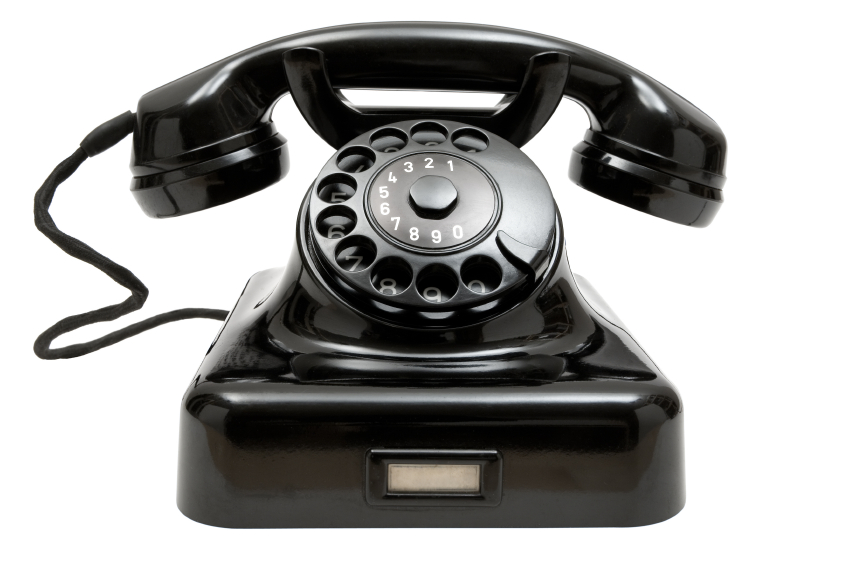
Old Phone

He picked up the receiver on the first ring of the phone. “Johnny Dollar.”

“Johnny? Pat McCracken, Universal Adjustment Bureau…”

“Pat, if this is about an assignment…I’m going to have to take a rain check. I’m planning to get some fishing in; I hear the bass are running like dishonest Congressmen…”

“No assignment, my friend—I just wanted to wish you ‘happy anniversary’!”

Dollar was puzzled. “How’s that again?”

19881“Come on, Johnny…surely you haven’t forgotten that sixty-seven years ago on this date, CBS Radio premiered a radio series based on your exploits…they even named it after you: Yours Truly, Johnny Dollar!”

There was a pause, and Johnny continued. “I suppose I didn’t really forget, Pat…I’m just amazed that you remember.”

“Your show and the series Suspense were there to close out the era known as ‘Radio’s Golden Age’ on September 30, 1962, chum. That’s not something easily erased from one’s memory.”

“True, true…but you have to admit, the program had a rather inauspicious beginning—I’m amazed that it lasted as long as it did. They couldn’t even keep Dick Powell interested in the premise—he decided to go into the private eye business instead.”

McCracken chuckled. “I recall the early broadcasts with Charles Russell playing you…how he had that corny affectation of tipping the service staff silver dollars…”

“Yeah, that went by the wayside rather quickly. As you could imagine, it started to run into a bit of money and I wasn’t able to camouflage it in the expense accounts after that.”

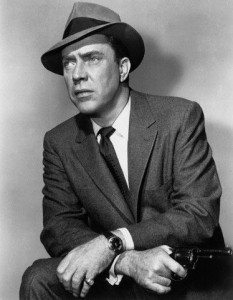
edmondobrien-233x300“You remember Edmond O’Brien, right?” asked Pat.

“The actor?”

“Yeah! He took over the role from Russell in January of 1950. Always thought that was appropriate, seeing as how he played an insurance investigator in that 1946 film, The Killers.”

“O’Brien built up quite a resume in those movies they now call film noir,” mentioned Johnny. “If my memory hasn’t failed me, I think the next actor in the role was John Lund.”

“Correct. Lund played you from November of 1952 to August of 1954. Interestingly, it was during the Lund years that Yours Truly, Johnny Dollar saw its bills paid by an actual sponsor, Wrigley’s Gum.”

Dollar grimaced. “That’s something I’ll never forget. I couldn’t get rid of that gum fast enough.”

McCracken continued. “A lot of people were convinced at that time that when Wrigley’s bowed out, that would be the end of Yours Truly, Johnny Dollar. But CBS wasn’t ready to close the lid on the coffin just yet. They experimented with actor Gerald Mohr and a quarter-hour audition in August of 1955…”

“Gerald Mohr…the guy who played Philip Marlowe on the radio, right?”

“Right. They wound up not using him, but the network liked the concept of a five-day-a-week quarter hour series in serialized form. They turned this over to producer-director Jack Johnstone, who, with the help of writers like Les Crutchfield and Robert Ryf, refashioned the series to concentrate on longer, meatier stories and well-developed supporting characters. And you’ll never guessed who they recast as…”

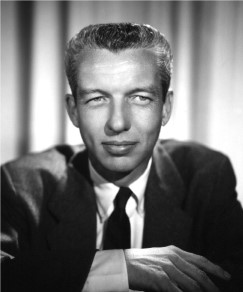
bob-bailey“Don’t say it,” wailed Johnny in a chagrined tone. “Bob Bailey. I wish I had a silver dollar for every time I’ve been mistaken for that guy. Sometimes I wish he had continued to just ‘Let George Do It.’”

“You may not like it, Johnny…but you have to face facts. Not only was Bailey the most popular of the radio Dollars, he had the gig the longest. Oh, sure—he handed off the part to Robert Readick when the series moved to the East Coast in November of 1960…but for many Yours Truly, Johnny Dollar fans, Bailey was the best and brightest.”

“Wasn’t there some other actor who played me after Readick? Kramer something…”

“Mandel Kramer,” corrected Pat. “He took over in mid-June of 1961…and at the risk of being facetious, kept filling out expense reports until the show took its final bow at the curtain. It was one heck of a run, Johnny.”

“Look, Pat,” Johnny said, the words stuck in his throat, “I’m touched by your well-wishes and your amazing capacity to recollect all this trivia. But all that was over fifty years ago and I reiterate…nobody even remembers it anymore.”

“That’s where you’re wrong, pal…I have two words for you: Radio Spirits.”

Johnny couldn’t suppress his snicker. “You got a poltergeist in your Bakelite, Pat?”

“I’m talking about the leading publisher and marketer of what’s known as ‘old-time’ radio programs, you joker. Radio Spirits’ mission is to preserve and popularize radio entertainment from every era for generations old and new. Yours Truly, Johnny Dollar ranks among the most popular and best-selling series in their inventory of tens of thousands of broadcasts!”

“Seriously, Pat, pull the other leg…it’s got bells on it.”

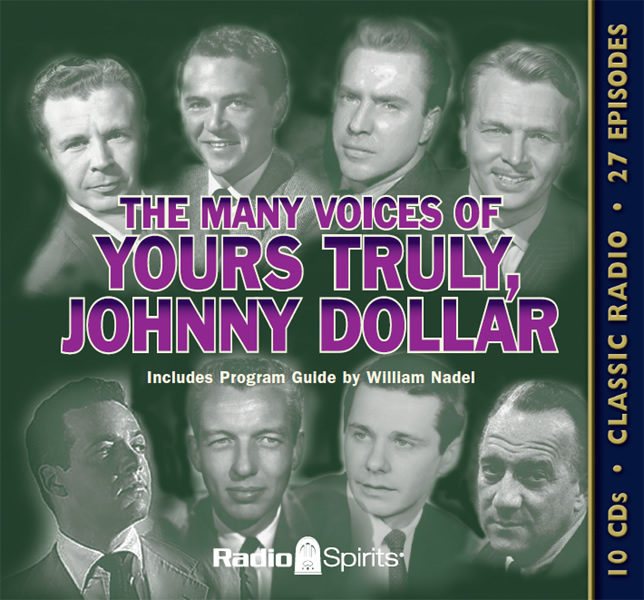
21018“This isn’t a rib, Johnny. Fans of your series can sample it on such collections as The Many Voices of Yours Truly, Johnny Dollar, which allows them to listen to all of the actors who played you during the series’ fourteen years on the air. You can do something similar with Mysterious Matters, except those sets don’t feature Dick Powell or Gerald Mohr.”

“Keep ‘em coming, Pat…I’m writing all of these down.”

“In addition, there’s Confidential, Expense Account Submitted, Murder Matters, Phantom Chases, and Wayward Matters. And of course, the appropriately-named Yours Truly, Johnny Dollar.”

“Pat, I’m…overwhelmed…I had no idea people still enjoy listening to that show.”

“It’s not for nothing that they call you ‘the man with the action-packed expense account,’ my friend. But hey…I’ll let you continue with those fishing trip plans. And Johnny?”

“Yes, Pat?”

“You have no idea how relieved I am not to hear the words ‘expense account total.’ This may very well be the first phone conversation I’ve had with you that didn’t cost me money!”

Johnny was laughing so hard he was barely able to get out a leave-taking “Yours truly…Johnny Dollar.”